



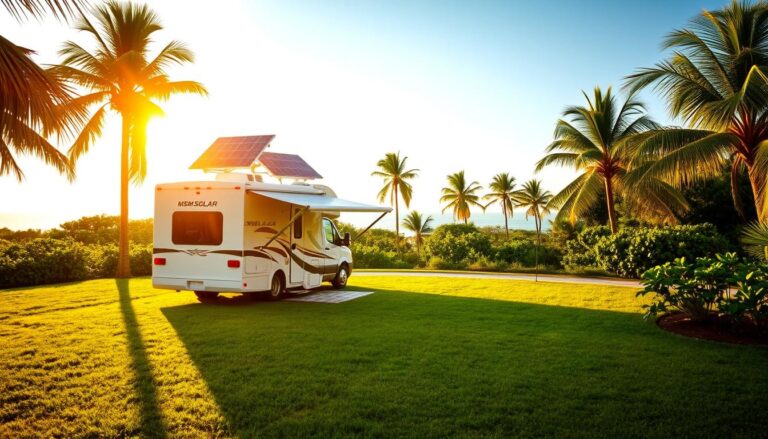
Florida’s Panhandle is home to thousands of mobile and manufactured homes. With energy prices climbing and incentives available, many owners are asking:
Can I go solar on my manufactured home?
The short answer is yes, but there are special requirements and options you need to know. This guide explains roof load limits, ground-mount alternatives, and the extra utility interconnection hurdles that Panhandle homeowners often face.
Also Read: Property Tax Exemptions for Solar in Florida: What Panhandle Homeowners Actually Save
Find us here:
Roof Load Requirements for Manufactured Homes
Unlike site-built houses, manufactured homes are designed with lighter roof structures. That raises challenges for installing solar panels directly on top:
- Structural capacity: Many older manufactured homes can’t safely support the added weight of solar racking and panels (about 3–5 pounds per square foot).
- HUD code compliance: Homes built after July 1994 generally meet stronger load standards, making rooftop solar more feasible.
- Engineering letter: Most counties in the Panhandle (Escambia, Okaloosa, Walton, Bay, Santa Rosa, etc.) require a stamped engineering certification before issuing a solar permit for a manufactured home.
Tip: Even if your roof qualifies, installers often reinforce trusses or use specialised racking designed for manufactured housing.
Solar Cost Calculator – Florida Panhandle Only
* Estimate based on $3.25 per watt for solar installation.
* For Tesla Powerwall 3 Batteries, $15,000 for the first battery, $12,000 for each additional battery.
* Other variations and types of Batteries are available.
Ground-Mount Solar: A Common Alternative
If your roof can’t handle panels, or if you’re in a shaded lot, ground-mount solar may be the smarter option.
- Helical piles or concrete footings secure the system in sandy Panhandle soil.
- Can be sized flexibly (from 4 kW to 15+ kW) depending on your energy use.
- Easier maintenance and cooling since panels sit higher above ground.
- Works well for larger properties in rural counties like Washington, Gulf, and Jackson.
The trade-off is higher upfront cost due to trenching and mounting hardware, but the long-term production is often better than on-roof systems.
Utility Interconnection Hurdles
Florida utilities treat manufactured home interconnections with extra scrutiny. Here’s what to expect in the Panhandle:
- Permanent foundation requirement – If your home isn’t on a permanent foundation, many utilities won’t allow grid interconnection.
- Meter placement issues – Some manufactured homes use pedestal meters set apart from the structure, requiring longer trenching or upgraded service equipment.
- Inspection delays – Utilities like Gulf Power / FPL or smaller co-ops may add extra review steps for manufactured housing compared to site-built homes.
Workaround: Hybrid systems (solar + battery backup) can run independently, even if utility approval drags out.
Financing and Incentives Still Apply
Manufactured homeowners in the Panhandle still qualify for:
- 30% federal solar tax credit (ITC).
- Florida’s property tax exemption (no added assessment on system value).
- Net metering, if your home meets utility interconnection standards.
Financing may be trickier, some lenders restrict loans to permanent-foundation homes, but local installers can help match you with providers that support manufactured housing projects.
Key Takeaways for Manufactured Homes in the Panhandle
- Roof load matters: Homes built after 1994 are more likely to support rooftop solar.
- Ground-mount systems are often the best fit in sandy rural counties.
- Utility interconnection can add hurdles, especially without a permanent foundation.
- Incentives and tax credits still apply, boosting ROI for mobile and manufactured homeowners.
Thinking about solar for your manufactured home in NW Florida?
MSM Solar helps Panhandle homeowners evaluate roof capacity, design ground-mount systems, and navigate utility approvals.
Contact us today for a free site evaluation.
