



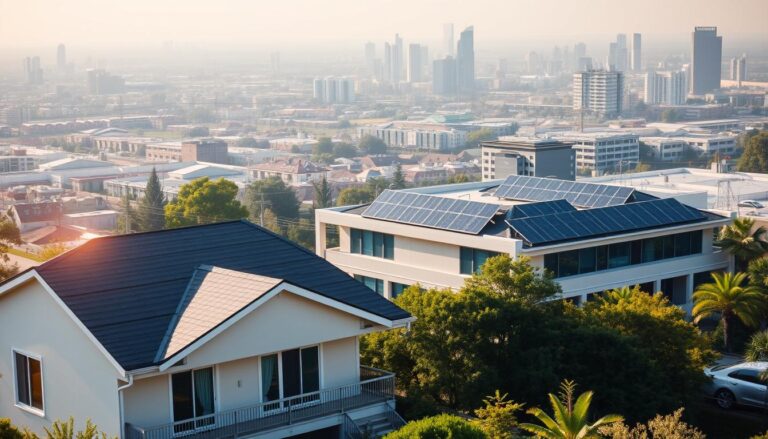
If you live in Panama City, Florida, you’ve probably experienced at least one major power outage in the last few years, whether from hurricanes, thunderstorms, or unexpected grid failures. When the lights go out, most homeowners think of two options: firing up a generator or investing in a solar system with battery backup.
But which is actually better for Florida’s Gulf Coast, solar or a generator?
Also Read: Fort Walton Beach Solar Myths: What Homeowners Get Wrong in 2025
In this 2025 guide, we’ll compare solar vs. generators for Panama City homes, covering cost, performance during storms, maintenance, noise, fuel, and long-term reliability so you can choose the right backup solution for your home and family.
Solar Cost Calculator – Florida Panhandle Only
* Estimate based on $3.25 per watt for solar installation.
* For Tesla Powerwall 3 Batteries, $15,000 for the first battery, $12,000 for each additional battery.
* Other variations and types of Batteries are available.
1. The Power Problem in Panama City
Bay County residents know how unpredictable the weather can be. Between tropical storms and Gulf hurricanes, outages ranging from a few hours to several days are not uncommon.
According to Florida Power & Light (FPL) outage reports, Panama City and surrounding areas average:
- 5–10 power interruptions per year, lasting 2–8 hours on average.
- Major outages (over 24 hours) once every 2–3 years, especially during hurricane season.
With summer heat pushing air conditioners to full capacity, having a reliable power backup isn’t just convenient, it’s essential for comfort and safety.
2. The Options: Solar + Battery vs. Generator
Both systems aim to keep your home running when the grid goes down, but they work in very different ways.
Solar with Battery Backup
- Uses sunlight to charge batteries that store electricity for nighttime or outages.
- Operates quietly and automatically.
- Provides long-term energy savings beyond outage protection.
Generator (Gas, Propane, or Diesel)
- Runs on stored or piped fuel to power select circuits or your whole house.
- Starts automatically or manually when grid power cuts out.
- Works independently of the weather but requires regular refueling and maintenance.
3. Power Output & Performance
| Feature | Solar + Battery | Generator |
|---|---|---|
| Power Supply | From solar panels + batteries | From gas, propane, or diesel |
| Runtime | Unlimited sunlight + stored power | Limited by fuel supply |
| Noise | Virtually silent | 60–90 decibels (like a lawnmower) |
| Emissions | Zero | Carbon monoxide + fumes |
| Start-Up | Instant and automatic | Automatic (standby) or manual (portable) |
| Hurricane Suitability | Panels rated up to 170 mph wind loads | Must be secured and vented outdoors |
In a multi-day outage, solar with battery can recharge every day at sunrise, no fuel needed. A generator runs until the tank runs dry.
4. Cost Comparison
Let’s break down the typical cost for Panama City homeowners in 2025:
| System Type | Upfront Cost | Operating Cost | Lifespan | Incentives |
|---|---|---|---|---|
| Solar + Battery (10 kW + 13.5 kWh) | $25,000–$32,000 | Negligible | 25 years | 30% federal tax credit |
| Whole-Home Generator (22 kW) | $10,000–$15,000 | $500–$800/yr (fuel + maintenance) | 10–15 years | None |
| Portable Generator (7–10 kW) | $1,200–$2,500 | $200–$400/yr | 5–10 years | None |
At first glance, a generator looks cheape, but long-term numbers tell a different story.
Over 25 years, you might:
- Spend $10,000–$15,000 on fuel and maintenance.
- Replace your generator once or twice.
Meanwhile, a solar system pays you back through energy savings year-round, effectively offsetting your initial investment.
5. Hurricane Durability in Bay County
Solar Systems
- Installed to meet ASCE 7 hurricane wind standards (up to 170 mph).
- Require PE-stamped designs and corrosion-resistant mounting.
- Panels are tempered glass – capable of withstanding 1” hail and flying debris tests.
Even after Hurricane Michael (2018), many rooftop panels across Bay County remained intact, proving modern solar’s resilience.
Generators
- Must be anchored securely to concrete pads to prevent movement.
- Require proper venting to avoid carbon monoxide buildup.
- Fuel access may be limited post-storm if gas stations lose power.
In short: both systems can survive a hurricane, but only one (solar) keeps refueling itself once the skies clear.
6. Fuel vs. Sunshine
One major difference comes down to energy independence.
- Generators rely on external fuel, propane tanks, natural gas lines, or gasoline. During widespread outages, fuel delivery or refill may be delayed.
- Solar + Batteries rely on sunlight, which returns almost immediately after the storm passes.
A 10 kW solar system in Panama City produces around 40–45 kWh per day in summer, enough to recharge a home battery and power lights, refrigeration, and essential appliances.
7. Maintenance & Reliability
| Maintenance Task | Solar + Battery | Generator |
|---|---|---|
| Routine Check | Once a year | Every 3–6 months |
| Parts to Replace | Inverter (15–20 years) | Oil, filters, spark plugs |
| Noise | None | Constant when running |
| Monitoring | App-based, remote access | Manual or via control panel |
Solar systems are nearly maintenance-free. Generators, especially standby models, require oil changes, fuel stabilizers, and frequent testing to ensure readiness.
If neglected, a generator may fail right when you need it most.
8. What About Power Capacity?
This depends on your goals:
Essential Loads Backup (Solar + Battery)
Keeps lights, refrigerator, Wi-Fi, and small A/C or window units running.
Whole-Home Backup (Solar + Multiple Batteries)
Powers your entire house, including HVAC and well pumps.
Generator Options
Can provide full-home power easil, but only while fuel lasts.
For most Panama City homes, combining solar with a 13–27 kWh battery bank delivers 1–2 days of backup without conservation. Add another battery for longer outages.
9. Environmental & Lifestyle Differences
| Aspect | Solar + Battery | Generator |
|---|---|---|
| Carbon Emissions | 0 | High |
| Noise Level | Silent | Loud, constant |
| Fuel Dependence | None | Requires storage/refill |
| Operation During Daylight | Generates new power | Consumes fuel |
| Suitability for Subdivisions / HOAs | HOA-friendly | Restricted in some areas |
Panama City neighborhoods with HOAs often restrict generator placement due to noise and exhaust. Solar, especially with low-profile all-black panels, blends seamlessly with modern roofing and curb appeal.
10. Insurance & Resale Impact
- Solar adds property value, appraisers typically add $15,000–$25,000 in home value for owned solar systems.
- Florida’s property tax exemption means that added value is not taxed.
- Generators don’t significantly increase resale value, though they may appeal to buyers concerned about outages.
Insurance providers in Florida often view solar as a neutral or positive factor when installed to code, while generators may require additional liability coverage.
11. ROI & Long-Term Outlook
Solar + Battery
- Pays for itself in 8–10 years through electric bill savings.
- Offers protection during outages and ongoing savings for 25 years.
Generator
- Provides only temporary outage coverage.
- No energy savings, and costs accumulate over time.
If your primary goal is reliable, quiet, and renewable power, solar is the clear long-term winner.
If you only want occasional backup for short outages, a smaller generator can fill that role affordably.
12. Hybrid Approach: Best of Both Worlds
Some Panama City homeowners now use hybrid setups, solar + batteries plus a small propane generator as a secondary layer.
How it works:
- Solar powers the home daily.
- Batteries handle short outages.
- The generator auto-starts only if battery reserves drop during extended cloudy days.
This approach provides unlimited autonomy, perfect for rural Bay County homes that can experience multi-day blackouts.
13. Real-Life Comparison Example
| Factor | Solar + Battery | Generator |
|---|---|---|
| Initial Cost | $28,000 | $12,000 |
| Fuel Cost (25 yrs) | $0 | $12,000 |
| Maintenance (25 yrs) | $1,000 | $5,000 |
| Lifetime | 25+ years | 10–15 years |
| Lifetime Cost | ~$29,000 | ~$29,000 |
| Lifetime Savings | ~$30,000 | $0 |
| Environmental Impact | Clean | Polluting |
Over 25 years, the total cost of ownership is nearly identical, but solar gives you permanent energy savings and a cleaner footprint, something generators can’t match.
Key Takeaways
- Generators offer quick, short-term backup but rely on fuel and regular upkeep.
- Solar with battery storage provides silent, renewable backup and long-term savings.
- Solar systems are hurricane-rated and refuel themselves daily.
- Homeowners in Panama City, FL can qualify for 30% federal tax credits on solar + storage systems.
- For full-home resilience, consider solar + battery + small generator hybrid setups.
Final Word
For Panama City homeowners, the choice between solar and a generator depends on your goals:
- If you want temporary, fuel-based backup, a generator does the job.
- If you want quiet, renewable, and self-sustaining power that keeps paying you back, solar is the smarter investment.
After every storm, sunshine returns to Bay County, and with a solar system, that means your home powers itself back up automatically.
So while generators will always have their place, solar with battery storage is redefining energy independence in the Florida Panhandle, one rooftop at a time.
