



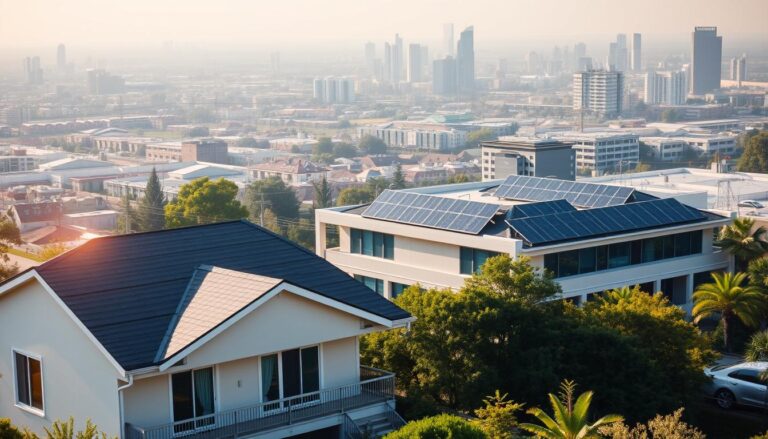
Why a Patio Pergola Matters on Santa Rosa Beach
Living on the Gulf Coast means you enjoy endless sunshine, salty breezes, and the occasional tropical storm. A patio pergola gives you a comfortable outdoor living space while preserving the natural view. But the same wind that makes a day at the beach enjoyable can also stress a structure that isn’t engineered for coastal conditions. That’s why understanding wind posts, footers, and shade math is essential before you start building.
In this guide we’ll walk you through the engineering basics, the local building code considerations, and the practical steps to design a solar pergola design wind footer santa rosa beach that not only looks great but also stands up to the elements. By the end you’ll have a clear roadmap for choosing span lengths, footer depths, and the right number of shade panels to keep your outdoor retreat both functional and financially smart.
Solar Cost Calculator – Florida Panhandle Only
* Estimate based on $3.25 per watt for solar installation.
* For Tesla Powerwall 3 Batteries, $15,000 for the first battery, $12,000 for each additional battery.
* Other variations and types of Batteries are available.
Understanding Coastal Wind Loads
Wind pressure is measured in pounds per square foot (psf) and increases dramatically with height above ground level. On Santa Rosa Beach, the design wind speed is typically set at 115 mph for residential structures, which translates to a pressure of roughly 28 psf at the roof level. Pergolas, though not full roofs, still experience this force on every exposed surface, especially the side‑walls of the shade panels.
Two key concepts dictate how a pergola resists wind:
- Wind Posts: The vertical members that transfer lateral forces down to the footers.
- Footers: The concrete or masonry base that anchors the posts to the ground, providing overturning resistance.
When either component is undersized, the structure can sway, flex, or even collapse. That’s why engineers use “wind math” to size posts and footers based on the pergola’s span, height, and panel configuration.
Calculating Span Limits for a Patio Pergola
The span—the distance between two adjacent posts—directly influences how much wind load each post must carry. A longer span means larger bending moments, which require stronger posts or additional support. For coastal installations, most designers limit the span to 10 feet for a single‑row shade system and 14 feet for a double‑row system, assuming standard 2 × 6 lumber and a 12‑inch post spacing.
Here’s a quick rule of thumb for Santa Rosa Beach:
- If the pergola will support photovoltaic (PV) panels, keep the span under 12 feet to reduce deflection.
- For purely shade‑only designs, a 14‑foot span can be acceptable with properly sized footers.
Remember, the span is not the only factor. The height of the pergola (typically 8–10 feet on the beach) multiplies the wind pressure, so taller structures need deeper footers to counteract overturning moments.
Designing the Footer for Stability
The footer is the unsung hero of any pergola, especially when you’re using a solar pergola design wind footer santa rosa beach approach. Its primary job is to resist the overturning force generated by wind acting on the shade panels and any integrated solar modules.
Two variables dominate footer design:
- Depth: Measured from the surface of the ground to the bottom of the concrete pad. Deeper footers provide greater leverage against wind forces.
- Width (or diameter for round footings): Wider footers spread the load over a larger soil area, reducing settlement.
In the Gulf Coast’s sandy soils, a minimum depth of 24 inches is often required by code for a 6‑inch post. However, to achieve the safety factor recommended for a solar pergola design wind footer santa rosa beach, many contractors increase the depth to 36 inches and widen the footing to 12 × 12 inches.
Below is a simple reference table that matches typical pergola spans with recommended footer depths and the number of shade panels you can safely install.
| Span (ft) | Max Footer Depth (in) | Recommended Panel Count |
|---|---|---|
| 8 | 24 | 2–3 |
| 10 | 30 | 3–4 |
| 12 | 36 | 4–5 |
| 14 | 36 | 5–6 |
These figures assume standard 2 × 6 lumber for the rafters, 6‑inch galvanized steel posts, and a wind speed of 115 mph. If you plan to add heavier solar panels, add an extra 6‑inch depth to the footer or reduce the span to stay within safe limits.
Choosing the Right Shade Panels
Shade panels come in a variety of materials—fabric, polycarbonate, and aluminum louvers are the most common. For a coastal pergola, you’ll want a material that resists UV degradation, salt corrosion, and wind uplift.
When you incorporate solar cells, the panel weight adds another layer of calculation. A typical 60‑cell PV module weighs about 40 lb, which translates to roughly 2 lb per square foot. Multiply that by the total panel area, and you’ll see a noticeable increase in the load that the footers must support.
- Fabric Canopies: Lightest option, excellent for quick shade but not ideal for solar integration.
- Polycarbonate Sheets: Provide UV protection, moderate weight, and can be perforated for airflow.
- Aluminum Louvers: Heaviest, best for solar panels because they can be mounted directly onto the louver frame.
For a solar pergola design wind footer santa rosa beach, most owners choose aluminum louvers with integrated PV cells. The louvers act as both shade and structural support, reducing the need for separate mounting brackets.
Solar Pergola Design Wind Footer Santa Rosa Beach: Step‑by‑Step Guide
1. Measure Your Outdoor Space
Start by drawing a scaled plan of your patio. Mark the desired pergola footprint, noting any existing utilities, garden beds, or walkways. Determine the maximum span you can afford based on the table above and the amount of shade you want.
2. Select the Post Size and Material
For coastal conditions, 6‑inch galvanized steel or pressure‑treated 6 × 6 lumber is recommended. Steel offers superior resistance to moisture and wind‑induced fatigue, while treated lumber is more budget‑friendly.
3. Determine Footer Dimensions
Using the span you’ve chosen, reference the table to pick a minimum footer depth. Add an extra 6 inches if you plan to install solar panels. For example, a 12‑foot span would require a 36‑inch deep footing for a typical shade‑only pergola, but you’d increase to 42 inches when adding PV modules.
4. Prepare the Site
Excavate each footer location to the required depth, ensuring a level bottom. Add a 2‑inch layer of compacted crushed stone for drainage, then pour concrete with a ¼‑inch slump to avoid excessive shrinkage.
5. Install the Posts
Set the posts in the wet concrete, using a level to keep them plumb. Insert metal brackets or post anchors as recommended by the manufacturer. Allow the concrete to cure for at least 48 hours before loading.
6. Attach Rafters and Shade Panels
Lay out the rafters across the posts, securing them with galvanized joist hangers. Install your chosen shade panels—fabric, polycarbonate, or aluminum louvers—following the manufacturer’s spacing guidelines. If you’re using solar louvers, connect the wiring to a micro‑inverter located near the pergola base.
7. Perform a Final Wind Load Check
Before you finish, verify that the structure meets local code requirements for a solar pergola design wind footer santa rosa beach. Many coastal municipalities require a wind load verification report signed by a licensed engineer. If you’re unsure, hire a professional to run the calculations.
Maintenance Tips for Long‑Lasting Performance
Even the best‑designed pergola will need periodic upkeep to stay safe and attractive. Here are some maintenance habits that work well on Santa Rosa Beach:
- Inspect footers and post connections after every major storm.
- Clean salt residue from metal components using a mild detergent and fresh water.
- Re‑tighten lag bolts on shade panels annually.
- Check solar wiring for signs of corrosion and replace any compromised connectors.
By staying on top of these tasks, you’ll ensure that your pergola continues to provide shade, energy, and a stylish outdoor living space for years to come.
Frequently Asked Questions
Do I need a building permit for a pergola on Santa Rosa Beach?
Yes. The city requires a permit for any structure larger than 6 × 6 feet, especially when it involves footers deeper than 12 inches or incorporates solar panels. Permit applications must include structural calculations, which is where the “wind footer” part of a solar pergola design wind footer santa rosa beach becomes critical.
Can I retrofit an existing pergola with solar panels?
Retrofitting is possible, but you’ll need to verify that the current footers can handle the additional load. If the existing footers are only 24 inches deep, you’ll likely have to excavate and pour deeper footers to meet the requirements for a solar pergola design wind footer santa rosa beach.
What is the best shade material for a beach environment?
Aluminum louvers with a powder‑coat finish are ideal because they resist corrosion, provide excellent shade, and can be integrated with PV cells for a seamless solar pergola solution.
