



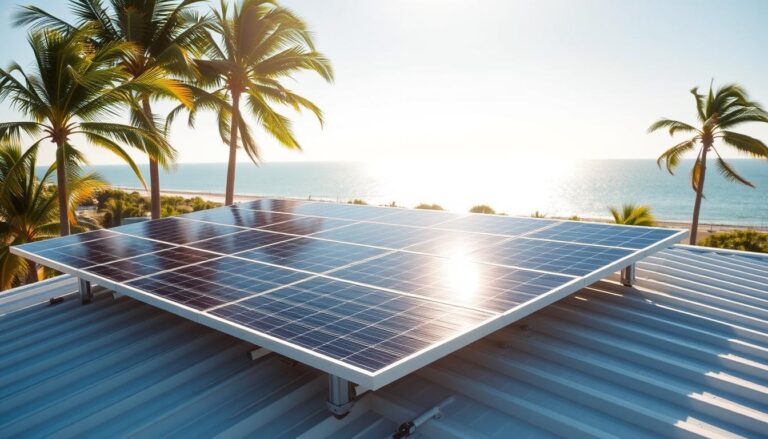
Why a Rodent‑Resistant Solar Conduit Is Essential in Santa Rosa Beach
Homeowners in Santa Rosa Beach love the sunshine, and many are turning to solar power to reduce electricity bills and carbon footprints. Yet, the beautiful coastal environment also brings a handful of unwelcome guests—rodents. Squirrels, rats, and mice are attracted to the warmth and shelter that solar equipment can provide, especially when wiring runs under decks. When these critters gnaw through plastic or rubber, they can cause costly outages, fire hazards, and expensive repairs. That’s why installing a rodent resistant solar conduit santa rosa beach is not just a smart choice; it’s a protective measure that safeguards your investment and keeps your family safe.
Solar Cost Calculator – Florida Panhandle Only
* Estimate based on $3.25 per watt for solar installation.
* For Tesla Powerwall 3 Batteries, $15,000 for the first battery, $12,000 for each additional battery.
* Other variations and types of Batteries are available.
Understanding the Rodent Threat Under Decks
Decks create a perfect pathway for wildlife. The space between the deck joists and the house foundation offers a cool, dark tunnel that rodents love to explore. Once they find a gap, they can easily access any wiring or conduit that is not properly sealed. In the humid climate of Santa Rosa Beach, wood can swell, creating even larger openings over time. Moreover, the proximity to the beach means an abundance of food sources, encouraging rodents to stay close to residential areas. Recognizing these patterns helps you plan a route that minimizes exposure and makes the use of a rodent resistant solar conduit santa rosa beach a critical component of your solar installation.
Benefits of Metal Conduit Over Plastic Alternatives
Metal conduit, typically made from galvanized steel or aluminum, offers several advantages that make it the top choice for a rodent resistant solar conduit santa rosa beach system. First, the hard, smooth interior surface discourages chewing; rodents find it difficult to gnaw through metal compared to the soft walls of PVC. Second, metal provides superior protection against moisture, UV rays, and physical damage, extending the lifespan of your solar wiring. Third, metal conduit can be easily grounded, adding an extra layer of electrical safety. Finally, the rigid structure allows for precise routing under decks, ensuring a clean, professional appearance that enhances property value.
Durability in Coastal Conditions
The salty air of Santa Rosa Beach can accelerate corrosion in many materials. However, when you select a conduit with a proper zinc coating or stainless‑steel composition, the metal resists rust and maintains its integrity for decades. This durability means fewer maintenance visits and lower long‑term costs, making the upfront investment in a rodent resistant solar conduit santa rosa beach solution worthwhile.
Planning the Conduit Route Under Your Deck
Effective planning is the cornerstone of a successful installation. Begin by mapping the shortest, most direct path from your solar inverter to the main electrical panel, while staying clear of high‑traffic areas under the deck. Use a chalk line or laser level to mark the route on the deck joists. Identify any existing penetrations, such as pipe stacks or HVAC ducts, and plan to route around them. By keeping the conduit as straight as possible, you reduce the number of bends, which not only simplifies installation but also minimizes points where rodents could potentially gain entry.
Key Considerations for Santa Rosa Beach Homes
- Measure the exact distance between the inverter and the service panel to order the correct length of conduit.
- Check local building codes for clearance requirements—typically a minimum of 1 inch from any combustible material.
- Identify any deck lighting or power outlets that may share the same conduit space.
- Plan for future expansion; leaving extra conduit length can simplify upgrades.
Selecting the Right Size and Type of Conduit
Choosing the appropriate conduit diameter is vital for both safety and rodent resistance. A ¾‑inch conduit is generally sufficient for most residential solar arrays, providing enough room for multiple #12 or #10 THHN wires while still being compact enough to fit between deck joists. If you anticipate adding more circuits later, consider stepping up to a 1‑inch conduit. For a rodent resistant solar conduit santa rosa beach project, opt for galvanized steel with a continuous smooth finish; avoid corrugated metal, which can trap debris and create hiding spots for pests.
Installation Steps: From Start to Finish
1. Prepare the Deck Surface
Clear any debris, loose boards, or old insulation from the underside of the deck. This ensures a clean work area and eliminates potential nesting material for rodents. If you discover any signs of existing rodent damage—chewed wood or droppings—address those issues before proceeding.
2. Install Protective Grommets
Every time the conduit passes through a joist or a wall plate, install a rubber or silicone grommet. Grommets seal the gap, preventing rodents from squeezing through. Choose grommets rated for outdoor use and sized to fit the conduit snugly. This small step is a cornerstone of a rodent resistant solar conduit santa rosa beach system.
3. Secure the Conduit to Joists
Using stainless‑steel conduit straps, attach the metal conduit to the deck joists at intervals of 3‑4 feet. This prevents sagging and keeps the conduit stable against wind or foot traffic. When fastening, avoid overtightening, which could deform the conduit and create sharp edges.
4. Pull the Wiring Through
Before pulling the wires, apply a light coating of conduit lubricant to reduce friction. Feed the wires from the inverter side, using a fish tape to guide them through bends and turns. Ensure there is no strain on the connections; a gentle pull will keep the integrity of both the wires and the conduit.
5. Seal All Penetrations
Once the conduit is in place, seal any remaining openings with a high‑quality silicone caulk. Pay special attention to where the conduit exits the deck and enters the wall cavity. This final sealing step completes the rodent resistant solar conduit santa rosa beach barrier, making it virtually impossible for pests to infiltrate.
Maintenance Practices to Keep Rodents at Bay
Even the best‑installed conduit can become vulnerable over time if maintenance is neglected. Conduct a visual inspection twice a year—once in the dry season and once after the rainy season—to check for signs of wear, rust, or gnaw marks. Replace any damaged grommets immediately, and re‑apply caulk to any cracks that may have formed. For Santa Rosa Beach properties, a yearly coastal‑exposure cleaning with a mild detergent will remove salt buildup that can corrode metal.
Cost Considerations and Return on Investment
While metal conduit and high‑grade grommets may have a higher upfront cost than standard PVC, the long‑term savings are significant. A single rodent‑induced outage can cost anywhere from $200 to $1,500 in repairs and lost energy production. By investing in a rodent resistant solar conduit santa rosa beach system, you protect your solar array’s efficiency and avoid unexpected service calls. Additionally, many insurers offer discounts for homes with robust pest‑proofing measures, further enhancing the financial benefits.
Frequently Asked Questions
- Can I use PVC conduit and still be rodent‑proof? PVC is cheaper but is easily chewed through. Metal conduit remains the most reliable rodent‑resistant option.
- Do I need a permit for conduit under a deck? Most Florida municipalities require a permit for any permanent electrical work. Check with Santa Rosa Beach building officials.
- How deep should the conduit be buried if I route it outside the deck? A minimum of 12 inches below grade is recommended to deter surface rodents.
- Will metal conduit interfere with my solar panel’s performance? No. Conduit only houses the wiring; it does not affect panel output.
Quick Comparison: Metal vs. PVC Conduit
| Feature | Metal Conduit | PVC Conduit |
|---|---|---|
| Rodent Resistance | High – rodents cannot chew through | Low – easily gnawed |
| Durability (Coastal) | Excellent with proper coating | Moderate – can become brittle |
| Cost (Per Foot) | $2‑$3 | $1‑$1.5 |
| Ease of Installation | Requires threading tools | Simple, flexible |
Final Thoughts on Protecting Your Solar Investment
Installing a rodent resistant solar conduit santa rosa beach system under your deck is a proactive step that blends safety, durability, and cost efficiency. By selecting the right metal conduit, using protective grommets, and following a meticulous routing plan, you create a barrier that keeps critters out and your solar power running smoothly year after year. Regular maintenance ensures the system remains effective against the ever‑present wildlife of coastal Florida. With these strategies in place, you can enjoy the benefits of clean energy without worrying about unwanted guests.
Ready to safeguard your deck and solar array? Contact a licensed electrician familiar with Santa Rosa Beach regulations to design and install a rodent‑proof conduit system tailored to your home.
