



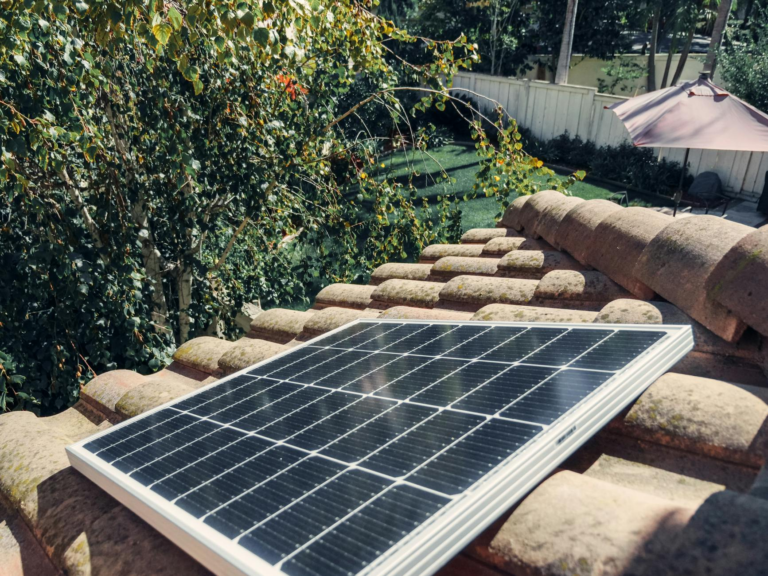
Why Roof Age Matters When Adding Solar Panels
Homeowners who are excited about the clean energy benefits of solar panels often overlook a critical factor: the condition and remaining life of their roof. Installing photovoltaic (PV) arrays on a roof that is near the end of its shingle lifespan can lead to costly double labor—first to replace the roof and then again to reinstall the solar system after the new roof settles. That’s why many experts advise you to replace roof before solar pcb if the shingles are more than halfway through their expected service life. Matching the shingle life to the panel life not only protects your investment but also maximizes the return on both the roofing and solar expenditures.
Solar Cost Calculator – Florida Panhandle Only
* Estimate based on $3.25 per watt for solar installation.
* For Tesla Powerwall 3 Batteries, $15,000 for the first battery, $12,000 for each additional battery.
* Other variations and types of Batteries are available.
Understanding Shingle Lifespan
Shingles come in several material families, each with its own durability profile. Asphalt shingles, the most common residential roofing material, typically last 15‑30 years depending on quality, climate, and maintenance. Architectural or “laminated” asphalt shingles extend that range to 25‑35 years. Metal roofing can last 40‑70 years, while slate and tile can exceed 100 years when properly installed. The key takeaway is that the expected lifespan is a moving target; factors like harsh sun, heavy rain, wind, and temperature swings can accelerate wear.
When you’re planning a solar installation, you need to ask yourself: how many years are left in the current shingle’s life? If the answer is fewer than the anticipated 25‑30 year life of most residential solar panels, you’re setting yourself up for a future “roof‑over‑panel” dilemma. In those cases, the prudent move is to replace roof before solar pcb and start the solar project on a fresh, stable surface.
Solar Panel Life Expectancy
Modern photovoltaic panels are engineered for longevity. Most manufacturers offer performance warranties that guarantee at least 80% output after 25 years, and many panels continue to generate electricity well beyond that. The physical components—glass, frames, and junction boxes—are designed to withstand the elements for three to four decades. Because the panel life often outlasts the roof, aligning the two lifespans is essential to avoid premature roof replacement that could disrupt the solar system.
When the roof needs replacement before the panels reach the end of their useful life, you risk a costly scenario: the solar installer must detach, store, and later re‑mount the array, while the homeowner pays for both roofing labor and the additional handling fees. That is precisely why the industry mantra is to replace roof before solar pcb whenever the existing roof is approaching the end of its useful period.
Cost Implications of Mismatched Lifespans
Let’s break down the financial impact of ignoring roof age during solar planning. A typical residential roof replacement can cost anywhere from $5,000 to $15,000 depending on size, material, and labor rates. Solar installation adds another $12,000‑$30,000 for a 5‑kW system after incentives. If you install solar on a roof that needs replacement in five years, you’ll incur:
- Initial roof replacement cost (already paid for the new roof)
- Solar installation cost on the old roof
- Additional labor to remove and reinstall panels after the new roof is placed
- Potential damage to panels or warranties due to removal
The cumulative expense can easily exceed $10,000, not to mention the inconvenience and downtime. By contrast, if you replace roof before solar pcb and then install the panels, you consolidate labor, reduce the risk of warranty claims, and often qualify for better financing terms because the entire project is completed in one go.
Financing and Incentive Timing
Many solar incentives—federal tax credits, state rebates, and utility net‑metering agreements—are tied to the installation date. If you postpone solar after a roof replacement, you might miss a window of favorable policy, especially in states where incentive programs phase out or reduce over time. Aligning roof replacement with solar installation ensures you capture the maximum financial benefits without the risk of future policy changes.
Assessing Your Roof’s Current Condition
Before deciding whether to replace roof before solar pcb, conduct a thorough roof assessment. Here’s a step‑by‑step checklist:
- Inspect the roof for missing, cracked, or curling shingles.
- Check for granule loss—excess granules in gutters indicate shingle wear.
- Look for water stains on the ceiling, which may signal leaks.
- Measure the roof’s age against the manufacturer’s expected lifespan for the shingle type.
- Consult a licensed roofing contractor for a professional evaluation and estimate.
If the inspection reveals that more than 50% of the shingle’s expected life has elapsed, the safest route is to schedule a roof replacement before proceeding with solar. This proactive approach eliminates the need for a second roof job that could disrupt the solar system’s performance.
Choosing the Right Shingle Type for Solar Compatibility
Not all shingles are equally compatible with solar mounting hardware. Some low‑profile asphalt shingles can cause mounting challenges, while standing‑seam metal roofs provide a solid, non‑penetrating mounting surface that simplifies installation. When you decide to replace roof before solar pcb, consider selecting a shingle material that offers both durability and ease of solar attachment.
| Shingle Type | Typical Lifespan | Solar Mounting Compatibility |
|---|---|---|
| Standard Asphalt | 15‑20 years | Requires flashing; moderate difficulty |
| Architectural Asphalt | 25‑35 years | Better for flashing; moderate |
| Metal Roofing | 40‑70 years | Ideal – standing‑seam allows non‑penetrating mounts |
| Slate/Tile | 50‑100+ years | Heavy; may need reinforced mounting |
This table highlights how selecting a longer‑lasting, solar‑friendly shingle can reduce future maintenance. If you opt for metal roofing, you may even extend the roof’s service life well beyond the solar panels, effectively eliminating the need for another roof replacement during the panels’ warranty period.
Case Study: The Smith Family’s Decision Process
John and Maria Smith purchased a 4,500‑sq‑ft home built in 1998 with standard asphalt shingles. In 2023 they wanted to add a 7‑kW solar system to cut their electricity bills. Their roof was 25 years old, and a professional roof inspection revealed that 70% of the shingles had lost granules and showed curling at the edges. The contractor estimated a roof replacement cost of $12,000.
The Smiths consulted their solar installer, who explained that the panels would have a 25‑year performance warranty, while the roof likely needed replacement within the next 5 years. By choosing to replace roof before solar pcb, they avoided a future scenario where the panels would have to be lifted, stored, and re‑mounted—a process that could add $3,000‑$5,000 in labor and potential warranty complications.
They decided to combine the roof replacement with the solar installation. The roofing crew installed architectural asphalt shingles with a 30‑year warranty, and the solar team mounted the panels using the new flashing system. The total project cost was $38,000 after a federal tax credit, and the Smiths projected a payback period of 7 years. By aligning the roof and panel lifespans, they eliminated the risk of double labor and secured a smooth, long‑term energy solution.
Frequently Asked Questions
- Can I install solar on a roof that’s less than 10 years old? Absolutely—if the roof is in good condition and has at least 15‑20 years of expected life remaining, you can proceed without replacement.
- What if my roof is only 5 years old but I plan to replace it soon for aesthetic reasons? In that case, you might still want to replace roof before solar pcb to avoid the inconvenience of moving the panels later.
- Do solar warranties cover roof damage? Most solar warranties cover the panels and inverter, but they typically exclude damage caused by roof failure. That’s another reason to align roof and panel lifespans.
- Is it cheaper to replace the roof after solar installation? Generally no. Removing and re‑installing panels adds labor costs and can void warranties, making it more expensive overall.
Steps to Seamlessly Combine Roof Replacement and Solar Installation
- Schedule a professional roof inspection and obtain a detailed condition report.
- Determine the remaining shingle life and compare it to the expected solar panel lifespan.
- If the roof is nearing the end of its life, plan to replace roof before solar pcb as part of a single project.
- Choose a shingle material that offers both durability and easy solar mounting.
- Coordinate with both the roofing contractor and solar installer to align timelines and ensure proper mounting hardware is installed during the roof work.
- Apply for solar incentives promptly after the roof is completed to capture available rebates.
- Document the entire process for warranty purposes and future resale value.
By following these steps, homeowners can avoid the pitfalls of double labor, protect their investments, and enjoy the full benefits of clean energy without the headache of future roof repairs.
Conclusion
Matching the lifespan of your roof’s shingles to the expected life of your solar panels is a smart, cost‑effective strategy. When the roof is approaching the end of its service life, the best practice is to replace roof before solar pcb so you won’t have to endure a second, disruptive roof job that could jeopardize your solar investment. By assessing roof condition, selecting compatible shingle types, and coordinating the two projects, you set the stage for a seamless, long‑lasting renewable energy system that delivers savings for decades to come.
