



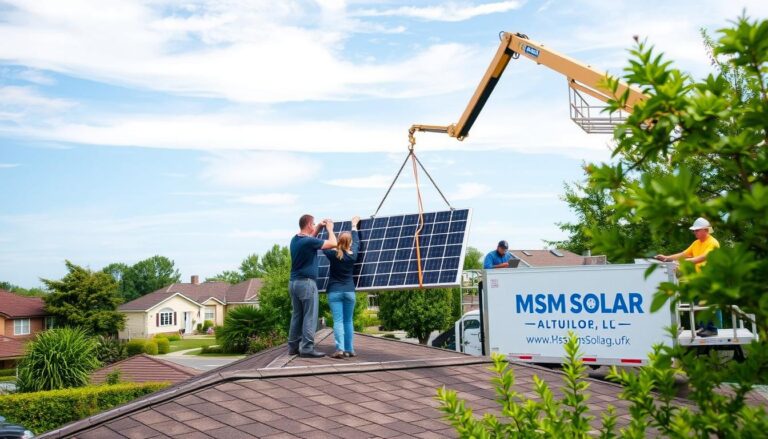
Introduction to Solar Mounting Options on Flat Roofs
When a commercial or residential property in Tallahassee decides to go solar, the choice of mounting system becomes a pivotal factor in the overall performance and durability of the installation. Flat‑section rooftops, common in the region’s office parks and retail centers, present unique challenges that differ from sloped roofs. Two primary methods dominate the market: ballasted systems that rely on weight to stay in place, and penetrated (or racked) systems that secure the array by anchoring into the roof membrane. Understanding how each option handles weight, wind risk, and leak potential is essential for property owners, architects, and installers who want a solution that lasts through Tallahassee’s humid summers and occasional tropical storms. In this article we will compare ballasted vs penetrated solar tallahassee installations side by side, giving you the data you need to make an informed decision.
Solar Cost Calculator – Florida Panhandle Only
* Estimate based on $3.25 per watt for solar installation.
* For Tesla Powerwall 3 Batteries, $15,000 for the first battery, $12,000 for each additional battery.
* Other variations and types of Batteries are available.
Understanding Flat‑Section Roofs in Tallahassee
Flat‑section roofs are not truly flat; they typically have a slight pitch—often between 1/4 inch to ½ inch per foot—to facilitate drainage. In Tallahassee’s climate, heavy rain can accumulate quickly, and the roof’s waterproof membrane must remain intact to prevent water infiltration. The membrane may be built from EPDM, TPO, PVC, or modified bitumen, each with its own tolerance for puncture and compression. Because the roof surface is expansive, solar arrays can be spread out to maximize sun exposure, but the mounting system must distribute loads evenly to avoid creating weak points that could lead to leaks or structural fatigue. This environment sets the stage for a detailed look at how ballasted and penetrated systems behave under the same conditions.
What Is a Ballasted Solar System?
A ballasted solar system uses heavy concrete or stone blocks—sometimes called ballast—to hold the racking in place without penetrating the roof membrane. The racking is attached to the ballast, and the entire assembly sits on top of the roof’s surface. In Tallahassee, where the building codes allow for a certain amount of roof load, ballasted installations can be an attractive option because they preserve the integrity of the waterproof membrane. The design typically includes a steel frame that spreads the weight of the panels across a larger area, reducing point loads. However, the added weight can affect the building’s structural calculations, especially for older structures that were not originally designed to carry extra live loads.
What Is a Penetrated (Racked) Solar System?
Penetrated systems, often referred to as racked systems, involve mechanically fastening the mounting hardware directly into the roof membrane. This is done using flashing kits, sealants, and fasteners that create a watertight seal around each penetration point. In Tallahassee, where building codes require strict adherence to wind uplift standards, penetrated mounts can provide a more secure attachment, especially on roofs that experience higher wind speeds. The trade‑off is the potential for membrane damage if the flashing is not installed correctly, which can lead to leaks over time. Proper installation demands skilled labor and careful coordination with roofing contractors to ensure the roof’s warranty remains valid.
Weight Considerations: How Much Does Each System Add?
The most obvious difference between ballasted and penetrated installations is the amount of additional weight placed on the roof deck. A typical ballasted system can add anywhere from 2 to 4 pounds per square foot (psf) of roof area, depending on the size of the ballast blocks and the spacing of the racking. In contrast, a penetrated system generally adds only 0.5 to 1.5 psf because the weight of the mounting hardware is minimal and the panels themselves are the primary load. For a 10,000‑square‑foot flat roof in Tallahassee, a ballasted array could contribute an extra 20,000 to 40,000 pounds, while a penetrated system might add only 5,000 to 15,000 pounds. Property owners must verify that the building’s structural engineer has accounted for these loads before proceeding.
Wind Load and Risk Assessment
Wind uplift is a critical factor for solar installations in Tallahassee, where the National Weather Service records gusts exceeding 70 mph during severe thunderstorms. Ballasted systems rely on friction and weight to resist uplift, which can be effective when the ballast is properly sized and the roof surface is not overly smooth. However, if the roof membrane is slippery or if the ballast shifts during a storm, the system can become vulnerable. Penetrated systems, on the other hand, anchor directly into the roof structure, offering a more robust resistance to wind forces. The use of certified flashing and sealants ensures that the mount can transfer wind loads to the building’s framing, reducing the likelihood of panel lift‑off. Nonetheless, both methods must meet the local wind zone requirements, and proper engineering calculations are essential.
Leak Potential and Waterproofing Concerns
Water intrusion is a leading cause of roof failure after solar installation. Ballasted systems have a clear advantage here because they do not require any roof penetrations; the waterproof membrane remains untouched, preserving its original warranty. The only risk comes from the ballast’s weight potentially compressing the membrane over time, which can cause cracks if the membrane is already aging. Penetrated systems introduce holes that, if not sealed correctly, become pathways for water. Even with high‑quality flashing, thermal expansion and contraction can stress the sealants, especially in Tallahassee’s temperature swings between hot summers and cooler winters. Regular roof inspections after installation are recommended to catch any early signs of leakage.
Cost and Installation Time Comparison
From a budgeting perspective, ballasted installations often have a lower upfront material cost because they avoid the expense of flashing kits and specialized sealants. However, the additional labor required to transport and position heavy ballast blocks can increase installation time, especially on larger rooftops. Penetrated systems may have higher material costs due to the need for flashing, but they typically require less time to secure each mounting point, leading to a faster overall installation schedule. For a 150‑kW system in Tallahassee, the difference in total project cost can range from $5,000 to $12,000, depending on site conditions, labor rates, and the chosen mounting method.
Maintenance, Inspection, and Longevity
Maintenance routines differ between the two mounting styles. Ballasted systems benefit from a simpler visual inspection—installers can walk the roof and check for shifted ballast or panel misalignment. Because there are no penetrations, there is less need for sealant replacement. Penetrated systems require periodic checks of the flashing and sealant integrity, especially after severe weather events. Over a 25‑year lifespan, the cumulative maintenance cost for a penetrated installation can be slightly higher, but the increased security against wind uplift often justifies the extra effort. Both systems, when installed correctly, can deliver the expected 20‑year performance warranties from most solar panel manufacturers.
Local Building Codes and Permit Requirements in Tallahassee
The City of Tallahassee follows the Florida Building Code, which includes specific provisions for solar mounting on flat roofs. Ballasted installations must demonstrate compliance with the allowable live load limits for the roof assembly, while penetrated systems must provide engineering drawings that show flashings meeting the code’s wind uplift criteria. Permit reviewers often request a structural analysis for ballasted arrays exceeding 2,000 pounds per 1,000 square feet of roof area. For penetrated mounts, a detailed flashing schedule and warranty documentation from the roofing manufacturer are typically required. Engaging a local engineer familiar with “ballasted vs penetrated solar tallahassee” considerations can streamline the approval process.
Side‑by‑Side Comparison Table
| Factor | Ballasted System | Penetrated System |
|---|---|---|
| Additional Roof Weight | 2‑4 psf (≈20‑40 k lb for 10k sf) | 0.5‑1.5 psf (≈5‑15 k lb for 10k sf) |
| Wind Uplift Resistance | Depends on ballast size & roof friction | Anchored with flashing; higher resistance |
| Leak Potential | Low (no penetrations) | Higher (requires proper flashing) |
Decision‑Making Guide for Property Owners
Choosing between ballasted and penetrated mounting methods hinges on several key factors. First, assess the structural capacity of your roof—if the building can comfortably support the extra ballast weight, a ballasted system may be the simpler, less invasive choice. Second, evaluate your site’s wind exposure; for rooftops in higher wind zones of Tallahassee, penetrated mounts provide a more secure attachment. Third, consider the existing roof warranty; any penetration may void the manufacturer’s guarantee unless approved by the roofing contractor. Finally, factor in long‑term maintenance resources; if you prefer minimal roof‑level work, ballasted may be preferable, whereas penetrated offers superior wind resilience at the cost of periodic flashing inspections.
Real‑World Case Studies in Tallahassee
Several commercial projects in the Tallahassee area illustrate the practical outcomes of each approach. A 200‑kW solar farm on a municipal building chose a ballasted system due to a generous roof load rating and a desire to avoid roof warranty complications. After three years, the installation has shown no signs of membrane stress, and the ballast remains stable despite occasional gusts. Conversely, a retail complex with a high‑traffic rooftop opted for a penetrated system to meet stricter wind uplift criteria. The project required a detailed flashing plan, but the result has been a robust array that withstood a Category 1 hurricane without panel displacement. Both cases underscore the importance of aligning the mounting strategy with the building’s structural and environmental profile.
Future Trends: Hybrid and Adaptive Mounting Solutions
Innovations in solar racking are blurring the lines between traditional ballasted and penetrated systems. Hybrid mounts combine lightweight ballast with limited penetrations, using low‑profile anchors that minimize membrane disruption while still providing extra weight for stability. In Tallahassee, where solar adoption is growing, these adaptive solutions are gaining interest for their ability to meet both wind and load requirements without sacrificing roof warranty. Additionally, adjustable ballast modules that can be re‑configured after extreme weather events are entering the market, offering a dynamic response to changing wind patterns. Keeping an eye on these developments can help property owners future‑proof their solar investments.
Conclusion
Ultimately, the choice between ballasted and penetrated solar installations in Tallahassee comes down to a balance of weight, wind risk, and leak potential. By understanding how each system interacts with flat‑section roofs, evaluating structural capacities, and complying with local code requirements, property owners can select the method that delivers optimal performance and longevity. Whether you lean toward the non‑intrusive nature of a ballasted array or the wind‑resistant security of a penetrated mount, a well‑engineered solution will ensure your solar investment thrives under Tallahassee’s sunny skies for decades to come.
