



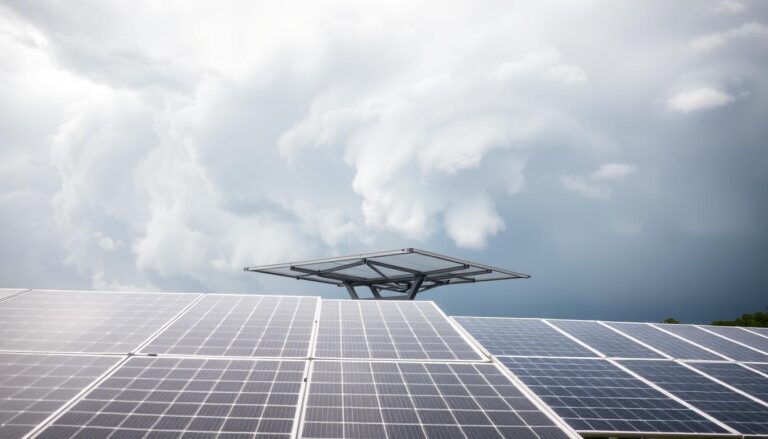
Understanding Rainwater Harvesting Under Solar Arrays
In sunny coastal communities like Santa Rosa Beach, homeowners are increasingly pairing renewable energy with water conservation. When photovoltaic panels sit above a roof or a dedicated rack, they create a unique micro‑environment for rainwater that falls onto the array. This runoff is not the same water that drips from a conventional roof; the panels can either improve or degrade its quality depending on design, maintenance, and local conditions. In this article we explore the science behind rainwater harvesting solar runoff santa rosa beach, compare clean versus soiled runoff, and provide practical guidance on first‑flush systems, sediment control, and screening methods that keep harvested water safe for irrigation, toilet flushing, and even limited potable uses.
Solar Cost Calculator – Florida Panhandle Only
* Estimate based on $3.25 per watt for solar installation.
* For Tesla Powerwall 3 Batteries, $15,000 for the first battery, $12,000 for each additional battery.
* Other variations and types of Batteries are available.
How Solar Panels Change Runoff Quality
Solar panels are typically coated with anti‑reflective glass that can capture dust, pollen, bird droppings, and salt spray from the Gulf of Mexico. When rain hits the surface, water runs off the glass and carries these contaminants into the collection system. The temperature of the panels also influences runoff: hotter panels promote rapid evaporation of lighter particles, leaving heavier sediments behind. In Santa Rosa Beach, the combination of high humidity, sea breezes, and occasional tropical storms means that runoff can range from relatively clean after a gentle drizzle to heavily soiled after a windy day. Understanding this variability is essential for designing a system that can treat both clean and dirty runoff effectively.
Clean vs. Soiled Runoff: What Differences Matter?
Clean runoff typically contains low levels of total suspended solids (TSS), minimal organic matter, and a neutral pH. This type of water can be stored with little treatment and used directly for garden irrigation or toilet flushing. Soiled runoff, on the other hand, may have elevated TSS, higher concentrations of nitrogen and phosphorus from bird droppings, and traces of heavy metals from atmospheric deposition. These contaminants can clog filters, promote algae growth in storage tanks, and potentially harm plants if not removed. For residents of Santa Rosa Beach, distinguishing between these two types of runoff helps determine whether a simple first‑flush diverter is enough or if a more robust filtration system is required.
First‑Flush Systems: The First Line of Defense
A first‑flush diverter is a low‑tech yet highly effective device that discards the initial volume of runoff, which usually carries the highest concentration of contaminants. By routing the first 5‑10 mm of rainwater away from the storage tank, you can dramatically improve the overall water quality. In the context of rainwater harvesting solar runoff santa rosa beach, a well‑designed first‑flush system should be sized based on the average roof area beneath the panels and the local rainfall intensity. Many DIY kits use a simple weighted valve or a floating ball that seals the inlet after a set volume has passed, allowing cleaner water to flow into the tank thereafter.
Screening and Sediment Filtration Options
After the first‑flush stage, the remaining water still contains fine particles that can settle in the storage tank. Installing a mesh screen or a multi‑stage sediment filter before the water enters the tank helps capture these particles. For coastal locations like Santa Rosa Beach, a stainless‑steel screen with a 200‑micron opening is a good starting point, followed by a cartridge filter rated at 20 microns for finer filtration. Some homeowners also opt for a slow‑sand filter or a bio‑media filter to further reduce organic load and improve the aesthetic clarity of the water. The choice of screening method should align with the intended end‑use of the harvested water.
Designing a Rainwater Harvesting System Under Arrays
When planning a system to capture rainwater harvesting solar runoff santa rosa beach, start by mapping the layout of your solar array. Measure the total surface area of the panels, noting any gaps between modules where water can collect. Next, calculate the expected runoff volume using the local annual rainfall average—approximately 50 inches for Santa Rosa Beach—and the runoff coefficient for glass surfaces (usually 0.9). From there, select a storage tank size that can accommodate at least two weeks of average rainfall, allowing for dry periods. Incorporate a first‑flush diverter, a pre‑filter screen, and a downstream sediment filter before the water reaches the tank. Finally, install an overflow outlet with a separate drainage path to prevent tank over‑pressurization during heavy storms.
Maintenance Checklist for Optimal Performance
- Inspect panel surfaces quarterly and clean with a soft brush or low‑pressure water spray to reduce dust buildup.
- Check the first‑flush diverter for blockage after each major rain event.
- Clean or replace screen filters every 3–6 months, depending on sediment load.
- Test water quality monthly for TSS, pH, and bacterial presence if water is used for non‑potable purposes.
- Drain and sanitize the storage tank annually to prevent algae and bio‑film formation.
Cost Considerations and Return on Investment
The upfront cost of adding a rainwater harvesting system under solar arrays can vary widely. Basic components—first‑flush diverter, mesh screen, and a 2,000‑gallon polyethylene tank—may total between $2,500 and $3,500. More advanced setups that include automated valve controls, UV sterilization, or larger storage capacity can exceed $7,000. However, homeowners in Santa Rosa Beach can offset these expenses through reduced water bills, especially during the peak summer months when irrigation demand spikes. Additionally, many local utilities and the Florida Department of Agriculture offer rebates for water‑saving installations, further improving the financial outlook.
Local Regulations and Incentives
Florida law encourages rainwater harvesting, and Santa Rosa Beach has specific ordinances that govern the placement of collection systems. Permits are typically not required for residential tanks under 5,000 gallons, but you must ensure the overflow complies with stormwater management guidelines. The county also offers a modest rebate for systems that include a first‑flush device and meet certain water‑quality standards. Before installing, consult the Santa Rosa County Building Department and check the latest updates on the Florida Water Resources Act to ensure full compliance.
Simple Comparison of Runoff Quality
| Parameter | Clean Runoff | Soiled Runoff |
|---|---|---|
| Total Suspended Solids (mg/L) | 10–30 | 80–200 |
| pH | 6.8–7.2 | 6.5–7.0 |
| Biological Oxygen Demand (BOD) | 1–3 mg/L | 10–25 mg/L |
| Typical Uses | Irrigation, toilet flushing | Requires additional filtration |
Tips for Optimizing Water Quality Year‑Round
To keep rainwater harvesting solar runoff santa rosa beach as clean as possible, schedule panel cleaning during the dry season when runoff is minimal. Pair your first‑flush system with a rain sensor that activates only after a threshold of rainfall, preventing unnecessary water loss. Consider adding a small vegetative buffer—such as a native coastal grass strip—around the collection area to filter airborne particles before they reach the panels. Lastly, monitor the storage tank temperature; installing an insulated cover can reduce algae growth during the hot summer months.
Frequently Asked Questions
- Can I use harvested solar runoff for drinking? Only after thorough treatment, including filtration, disinfection, and regular testing.
- Do solar panels need to be tilted differently for rainwater collection? Slightly steeper angles can improve runoff speed but may reduce solar efficiency; balance is key.
- What is the best storage tank material for coastal environments? UV‑stabilized polyethylene or stainless steel resist corrosion from salty air.
- How often should I replace filter cartridges? Typically every 6–12 months, depending on sediment load and usage.
By thoughtfully integrating rainwater harvesting with solar energy, Santa Rosa Beach residents can enjoy cleaner water, lower utility costs, and a smaller environmental footprint. With the right design, first‑flush diversion, and regular maintenance, the runoff from your solar arrays becomes a valuable resource rather than a waste stream.
