



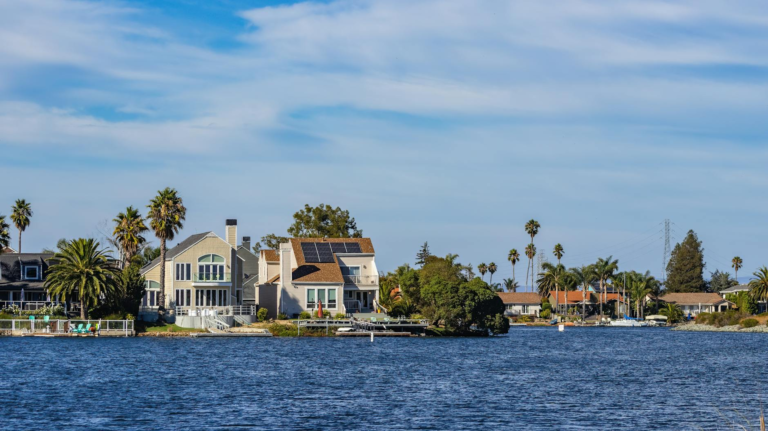
When planning a solar energy system, many homeowners assume that sunshine is sunshine, no matter where they live. In reality, the quality and intensity of sunlight can vary dramatically between regions. A gulf coast solar sunlight comparison reveals that the Florida Panhandle experiences a unique blend of humidity, cloud patterns, and angle of the sun that differs markedly from the dry, clear skies of desert locales. Understanding these nuances is essential for accurate energy modeling, realistic expectations, and optimal design of photovoltaic (PV) installations. In this article we will explore the scientific reasons behind these differences, discuss how they influence system performance, and provide practical guidance for anyone considering solar on the Gulf Coast versus a desert environment.
Find us here:
Solar Cost Calculator – Florida Panhandle Only
* Estimate based on $3.25 per watt for solar installation.
* For Tesla Powerwall 3 Batteries, $15,000 for the first battery, $12,000 for each additional battery.
* Other variations and types of Batteries are available.
Understanding Sunlight Basics
Sunlight that reaches the Earth’s surface is a product of several interacting factors: latitude, atmospheric composition, cloud cover, and surface albedo. The amount of solar radiation, measured in kilowatt-hours per square meter (kWh/m²), determines how much electricity a PV array can generate. While latitude sets the maximum possible solar angle, the atmosphere can filter, scatter, or absorb portions of that energy. Water vapor, dust, and aerosols each have distinct effects on the spectrum and intensity of sunlight. By breaking down these components, we can better appreciate why a gulf coast solar sunlight comparison often shows lower peak irradiance but higher diffuse light compared to the desert, where clear skies allow more direct sunlight to strike panels.
Latitude and Angle of Incidence
The Gulf Coast and many desert regions share similar latitudes, typically ranging from 30° to 35° north. This means the sun’s highest point in the sky during solar noon is comparable for both areas, providing a theoretical baseline for solar potential. However, the angle at which sunlight strikes a panel—known as the angle of incidence—depends on both latitude and seasonal tilt of the Earth’s axis. In the Gulf Coast, higher humidity and frequent cloud cover can reduce the effectiveness of that optimal angle, turning what would be strong direct irradiance into a mix of direct and diffuse light. In desert environments, the lack of atmospheric moisture means the sun’s rays remain largely unimpeded, preserving higher direct irradiance throughout the day.
Atmospheric Composition Differences
Desert air is typically dry, containing low concentrations of water vapor and particulate matter. This clarity allows more solar photons to pass through the atmosphere unscattered, boosting the direct normal irradiance (DNI) that panels receive. In contrast, the Gulf Coast’s maritime climate brings higher levels of moisture and occasional sea‑salt aerosols. Water vapor is a strong absorber of certain wavelengths, especially in the infrared, which can diminish the total solar energy that reaches the ground. Moreover, the presence of haze and low‑lying clouds can increase the proportion of diffuse horizontal irradiance (DHI), altering how sunlight interacts with solar panels and potentially affecting the efficiency of certain PV technologies.
Gulf Coast Solar Sunlight Comparison – Key Factors
Conducting a gulf coast solar sunlight comparison involves looking beyond simple sunshine hours. Key metrics include average daily insolation, cloud frequency, humidity levels, and temperature swings. While the Panhandle may enjoy over 260 sunny days per year, many of those days feature partial cloud cover that reduces peak sun intensity. Conversely, desert locations often record fewer total sunny days but enjoy higher peak irradiance on those days. This distinction matters because solar installers use peak sun hour (PSH) values to size systems; an overestimation based on desert data can lead to under‑performing installations on the Gulf Coast.
Humidity and Cloud Cover
High humidity on the Gulf Coast contributes to a greater likelihood of low‑level cumulus clouds, especially during the summer months. These clouds scatter sunlight, increasing diffuse radiation but reducing the direct component that most standard silicon panels convert most efficiently. Some modern PV technologies, such as bifacial modules or those with anti‑reflective coatings, can better harness diffuse light, making them attractive options for a gulf coast solar sunlight comparison. Understanding the local cloud climatology helps designers select the right panel type and configure arrays to maximize total energy harvest.
Seasonal Variation
The Gulf Coast experiences a relatively modest seasonal swing in solar angle compared to higher‑latitude desert locations, but the impact of the Atlantic hurricane season introduces additional variability. Summer months may see frequent afternoon thunderstorms that temporarily cut solar output, while winter often brings clearer skies and lower humidity, resulting in higher direct irradiance despite shorter daylight hours. In desert climates, the opposite pattern can occur: extremely hot summers with intense solar radiation, but also higher risks of dust storms that can coat panels and reduce efficiency. These seasonal nuances are crucial when performing a gulf coast solar sunlight comparison for long‑term energy yield modeling.
Practical Implications for Design and Installation
Recognizing the differences highlighted by a gulf coast solar sunlight comparison allows installers to tailor system designs to local conditions. For example, panel mounting structures may need to accommodate higher wind loads associated with coastal storms, while also providing adequate clearance for rain runoff. Additionally, the choice of inverter, wiring, and monitoring equipment can be influenced by the expected temperature range and humidity, ensuring long‑term reliability. By aligning design decisions with the specific solar profile of the Gulf Coast, homeowners can achieve performance that matches or exceeds their expectations.
Solar Panel Orientation and Tilt
Because diffuse light plays a larger role on the Gulf Coast, slight adjustments to panel tilt can improve overall energy capture. A flatter tilt angle (closer to horizontal) can increase exposure to diffuse radiation during overcast days, while still capturing sufficient direct sunlight during clear periods. In desert installations, a steeper tilt optimized for the sun’s highest path maximizes direct irradiance and reduces soiling. Conducting a gulf coast solar sunlight comparison often leads designers to recommend a tilt angle that balances these two objectives, sometimes opting for adjustable mounts that can be seasonally altered.
Energy Yield Forecasting
Accurate energy predictions rely on region‑specific solar data. Using desert‑based datasets for a Gulf Coast project can inflate expected output by up to 15 %, leading to financial shortfalls. Modern simulation tools now incorporate localized weather stations and satellite‑derived irradiance models that reflect the unique characteristics identified in a gulf coast solar sunlight comparison. Incorporating these refined inputs helps investors and homeowners set realistic payback periods, secure appropriate financing, and meet utility interconnection requirements.
Case Study: Florida Panhandle vs. Arizona Desert
To illustrate the impact of regional differences, we examined two comparable 5 kW residential systems—one installed in the Florida Panhandle and the other in the Phoenix metropolitan area. Both systems used the same high‑efficiency monocrystalline panels and string inverters. Over a 12‑month monitoring period, the Arizona system produced an average of 7,800 kWh, while the Florida system generated approximately 6,600 kWh, despite the Panhandle receiving a similar number of sunny days. The variance is primarily due to lower peak sun hours and higher diffuse radiation on the Gulf Coast, confirming the importance of a thorough gulf coast solar sunlight comparison during the planning stage.
| Metric | Florida Panhandle | Arizona Desert |
|---|---|---|
| Average Daily Insolation (kWh/m²) | 4.6 | 6.3 |
| Average Cloud Cover (% of daylight) | 35 | 10 |
| Average Relative Humidity | 72 % | 30 % |
| Temperature Range (°F) | 45‑95 | 40‑115 |
| Peak Sun Hours | 4.8 | 6.5 |
The table above summarizes the key differences that emerged from our gulf coast solar sunlight comparison. Notice the substantial gap in peak sun hours and average daily insolation, which directly translates to lower annual energy production on the Gulf Coast. However, the higher humidity and cloud cover also mean that the Florida system benefited from a greater proportion of diffuse light, which can be advantageous for certain bifacial or thin‑film technologies. These insights help stakeholders decide whether to prioritize panel type, mounting strategy, or system size based on the local solar environment.
Frequently Asked Questions
- Does the Gulf Coast receive enough sunlight for solar? Yes. While the peak irradiance is lower than desert regions, the Gulf Coast still averages over 4.5 peak sun hours per day, which is sufficient for a cost‑effective residential system.
- Will humidity damage solar panels? Modern PV modules are rated for high humidity and are sealed against moisture intrusion. Proper mounting and ventilation further protect against corrosion.
- Should I use bifacial panels on the Gulf Coast? Bifacial modules can capture additional diffuse light reflected from the ground and water surfaces, making them a good fit for a gulf coast solar sunlight comparison scenario.
- How often do I need to clean panels in a humid coastal climate? Depending on proximity to the ocean, panels may need cleaning 2–3 times per year to remove salt residue and occasional algae growth.
- Are there incentives specific to the Gulf Coast? Many states, including Florida, offer state‑wide rebates, net‑metering policies, and property‑tax exemptions that can improve the financial return of a solar investment.
In summary, a thorough gulf coast solar sunlight comparison highlights the distinct climate-driven challenges and opportunities of installing solar on the Florida Panhandle versus a desert setting. By accounting for humidity, cloud patterns, and seasonal variations, designers can optimize system layout, select appropriate technologies, and set realistic energy expectations. This tailored approach ensures that Gulf Coast homeowners reap the maximum benefit from their solar investment, achieving reliable, sustainable power generation that aligns with the region’s unique sunlight profile.
