



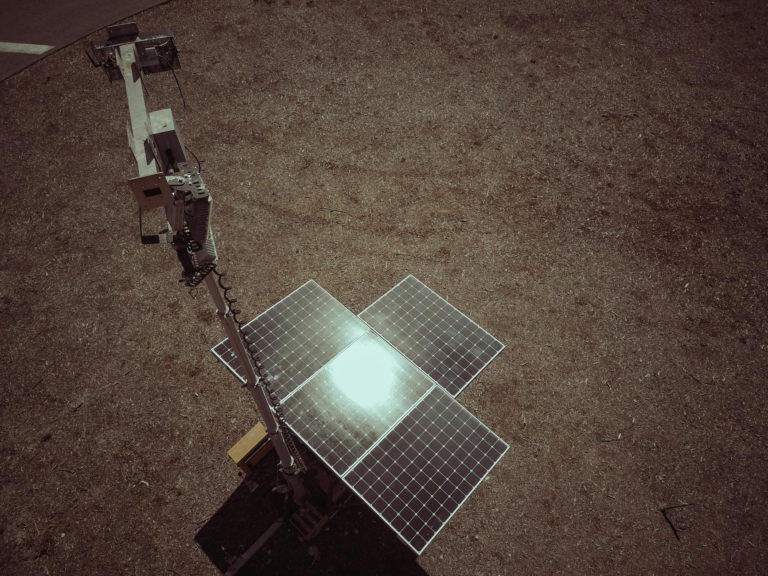
When Florida Panhandle homeowners invest in renewable energy, the biggest question that follows is how long their solar investment will last. Understanding solar ageing compared to hvac and other home systems helps families budget for maintenance, anticipate replacement costs, and keep their properties running efficiently. In a climate that swings from humid subtropical summers to occasional cold snaps, both solar arrays and HVAC units face unique stresses. This article breaks down the lifespan of solar panels, HVAC equipment, roofs, and other key components, offering a realistic timeline for each. By the end, you’ll have a clear picture of when to schedule inspections, what maintenance tasks are essential, and how to align your home improvement plans with the natural ageing process of each system.
Find us here:
Solar Cost Calculator – Florida Panhandle Only
* Estimate based on $3.25 per watt for solar installation.
* For Tesla Powerwall 3 Batteries, $15,000 for the first battery, $12,000 for each additional battery.
* Other variations and types of Batteries are available.
Understanding Solar System Longevity
Solar photovoltaic (PV) systems are built to endure harsh environmental conditions. Most manufacturers offer a performance warranty of 25 to 30 years, guaranteeing that panels will retain at least 80 % of their original output during that period. The physical degradation of silicon cells, known as “potential induced degradation,” typically occurs at a rate of about 0.5 % per year. In the Florida Panhandle, high humidity, salt‑air exposure, and occasional hail can accelerate wear, but modern panels are coated with anti‑reflective and corrosion‑resistant layers that mitigate these effects. It’s also important to differentiate between the lifespan of the panels themselves and the inverter, which usually requires replacement every 10‑15 years. By understanding these nuances, you can plan for the inevitable but gradual decline in energy production and schedule component replacements before they impact your utility bills.
How Solar Ageing Compared to HVAC
The phrase solar ageing compared to hvac often surfaces in homeowner forums because both systems are central to a home’s energy profile. While solar panels can function well beyond 30 years with minimal performance loss, HVAC units typically have a shorter useful life, ranging from 10 to 20 years depending on usage and maintenance. The key difference lies in moving parts: solar panels are static, whereas HVAC systems contain compressors, fans, and refrigerant lines that are subject to wear, corrosion, and mechanical failure. In the hot, humid climate of the Florida Panhandle, HVAC units work harder, especially during peak summer months, which can accelerate ageing. Recognizing this disparity helps homeowners allocate funds appropriately—setting aside more for periodic inverter swaps and inverter‑related components, while budgeting for a full HVAC replacement roughly a decade later.
Typical Lifespan of Solar Panels
Most reputable solar panel brands design their products for a 25‑year warranty, but real‑world data shows many installations still producing electricity after 35 or even 40 years. The primary factors that influence this extended life include panel orientation, shading, and the quality of the mounting hardware. In the Panhandle, mounting systems must resist wind uplift from tropical storms, so choosing corrosion‑resistant aluminum or stainless‑steel rails is essential. Additionally, keeping panels clean—especially after pollen seasons or after a hurricane—prevents micro‑cracks and maintains efficiency. While the power output slowly declines, the system remains safe and functional, often requiring only a modest inverter upgrade to match the reduced voltage levels after three decades of service.
Typical Lifespan of HVAC Systems
HVAC units in the Florida Panhandle are designed to handle high humidity, salt air, and intense heat. A well‑maintained split‑system air conditioner or heat pump typically lasts 12‑15 years, while a furnace may stretch to 20 years if it sees limited use. The main culprits for premature failure are clogged coils, refrigerant leaks, and worn‑out compressors. Seasonal maintenance—such as coil cleaning, refrigerant pressure checks, and fan motor lubrication—can add several years to a system’s service life. However, even with diligent care, the moving components will eventually wear out, making a full system replacement inevitable. This timeline is notably shorter than that of solar panels, underscoring why solar ageing compared to hvac is a crucial consideration for budgeting.
Roofs and Other Structural Elements
Roofs are another critical component that interacts directly with solar installations. In the Gulf Coast region, roofing materials such as asphalt shingles, metal, or tile typically last 15‑30 years, depending on the material and exposure to elements. A roof that reaches the end of its useful life can jeopardize the integrity of the solar array, leading to water infiltration, panel misalignment, or even structural damage. Because solar panels are mounted on the roof, many installers recommend synchronizing roof replacement with major solar upgrades. This coordinated approach minimizes labor costs and ensures that the mounting system is anchored to a sound substrate. When planning for solar ageing compared to hvac, don’t overlook the roof’s timeline—it often aligns more closely with the lifespan of the inverter than with the panels themselves.
Factors Influencing Ageing
- Climate exposure: humidity, salt air, temperature extremes.
- Installation quality: proper mounting, correct tilt, and secure electrical connections.
- Maintenance frequency: cleaning, inspections, and component replacements.
- System design: choice of panels, inverters, and HVAC sizing.
- Usage patterns: how often the HVAC runs and the amount of solar generation needed.
Maintenance Practices That Extend Life
- Solar panel cleaning: remove dust, bird droppings, and pollen at least twice a year.
- Inverter monitoring: use remote monitoring tools to spot voltage drops early.
- HVAC seasonal tune‑ups: clean coils, replace filters, and check refrigerant levels before summer.
- Roof inspections: look for missing shingles, flashing issues, and water stains after storms.
- Professional audits: schedule a certified solar technician to evaluate mounting hardware every 5‑7 years.
Cost Implications Over Time
Financial planning for home systems requires understanding both upfront costs and long‑term expenses. Solar panels have a high initial investment but benefit from tax credits, net‑metering, and low operating costs, resulting in a payback period of 7‑10 years in the Florida Panhandle. In contrast, HVAC systems incur moderate upfront costs and higher ongoing expenses due to electricity consumption, refrigerant recharging, and periodic part replacements. When you compare solar ageing compared to hvac, the total cost of ownership for solar often becomes lower after the first decade, especially when you factor in the increasing price of electricity. However, you must also budget for inverter replacement around year 12‑15 and potential roof repairs that may coincide with solar component upgrades.
Planning for Replacement in the Florida Panhandle
Effective long‑term planning starts with a timeline that aligns the ageing curves of all major systems. For a typical home, you might schedule a roof inspection at year 10, an inverter replacement at year 12, and a full HVAC overhaul at year 15. By mapping these milestones, you can spread out large expenses and avoid surprise outages. When assessing solar ageing compared to hvac, consider the seasonal peaks: schedule roof work during the cooler months when solar production is lower, and plan HVAC replacement just before the hottest summer to ensure comfort. Leveraging local contractor discounts, bulk purchasing, and financing options can further smooth out cash flow and keep your home operating at peak efficiency.
Real‑World Example: A Gulf Coast Homeowner
Maria, a homeowner in Destin, installed a 7 kW solar system in 2015. Her panels are still operating at 92 % efficiency after eight years, and the inverter was replaced in 2027 as per the manufacturer’s schedule. Her HVAC unit, a high‑efficiency heat pump, required a major repair in 2022 due to a failing compressor, and she plans a full replacement in 2025. Meanwhile, her metal roof, installed in 2014, is projected to last until 2034. By aligning the inverter swap with a minor roof repair in 2027, Maria saved $1,200 in labor costs. Her experience illustrates how understanding solar ageing compared to hvac can lead to smarter budgeting and coordinated maintenance that protects both the home’s energy generation and comfort systems.
| System | Typical Lifespan | Key Maintenance Tasks |
|---|---|---|
| Solar Panels | 25‑30 years (often >35 years) | Cleaning, inverter monitoring, mounting inspections |
| Inverter | 10‑15 years | Voltage checks, firmware updates |
| HVAC (AC/Heat Pump) | 12‑15 years | Seasonal tune‑ups, filter changes, refrigerant checks |
| Roof (Asphalt Shingles) | 15‑20 years | Shingle replacement, flashing repairs, leak inspections |
Frequently Asked Questions
Q: Does solar ageing affect my warranty? Most manufacturers guarantee performance for 25‑30 years, regardless of minor efficiency loss. As long as the system is maintained, warranty claims remain valid.
Q: Should I replace my HVAC before the solar inverter? Typically, the inverter outlasts the HVAC. Replacing the HVAC first ensures you have a reliable climate control system while the solar array continues to produce energy.
Q: How does solar ageing compared to hvac influence my home resale value? A well‑maintained solar system can add 4‑6 % to property value, while a newer HVAC system also appeals to buyers. Coordinating upgrades can maximize resale appeal.
By recognizing the different ageing patterns of solar panels, HVAC units, and roofs, Florida Panhandle homeowners can create a realistic maintenance schedule, avoid costly emergencies, and enjoy reliable energy production for decades.
Conclusion – Understanding how solar ageing compares to hvac and other home systems equips you with the knowledge to plan financially, schedule maintenance wisely, and protect your investment.
