



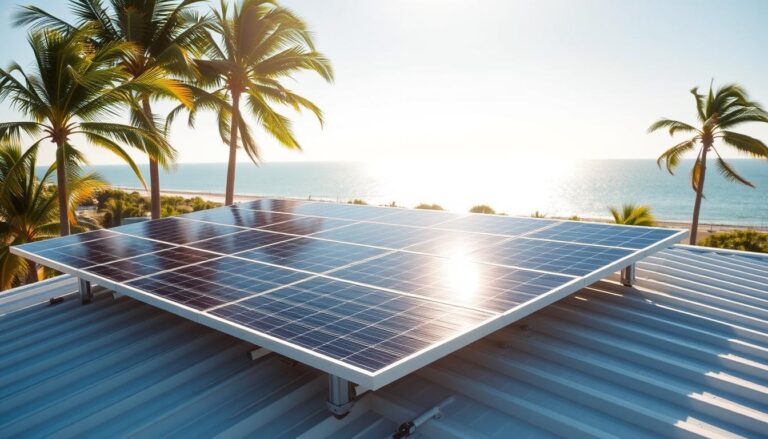
Why Ignoring Shade Analysis Is a Costly Error
Homeowners in the Florida Panhandle often think that installing solar panels is a simple plug‑and‑play solution. The reality, however, is far more nuanced. A single overlooked tree, a new roof overhang, or even seasonal foliage can shave off a significant portion of the energy you expected to generate. This is where shade analysis solar importance becomes the decisive factor between a thriving photovoltaic system and a disappointing investment. In this article we’ll explore the technical, financial, and environmental reasons why a thorough shade analysis should never be skipped.
Find us here:
Solar Cost Calculator – Florida Panhandle Only
* Estimate based on $3.25 per watt for solar installation.
* For Tesla Powerwall 3 Batteries, $15,000 for the first battery, $12,000 for each additional battery.
* Other variations and types of Batteries are available.
Understanding Shade Analysis
Shade analysis is the process of evaluating how shadows—both static and dynamic—affect the performance of a solar array. It involves mapping the sun’s path across the sky, identifying objects that block sunlight, and calculating the resulting loss in kilowatt‑hours. While the concept sounds straightforward, accurate modeling requires precise data on azimuth, altitude, and the three‑dimensional geometry of nearby obstructions. The shade analysis solar importance cannot be overstated because even a 5 % reduction in sunlight can translate into thousands of dollars in lost revenue over the life of the system.
Seasonal Variations in the Florida Panhandle
The Panhandle’s latitude places it in a sweet spot for solar irradiance, but the region also experiences pronounced seasonal shifts. In summer, the sun tracks a high arc, often clearing low‑lying obstacles. In winter, however, the sun’s angle drops dramatically, allowing shadows from the same trees or structures to stretch much farther across the roof. This seasonal swing means that a site that looks perfect in July may underperform by 20 % or more in December if shade is not accounted for. Recognizing this swing underscores the shade analysis solar importance for any homeowner looking to maximize year‑round output.
Financial Implications of Ignoring Shade
Solar installations are typically financed through loans, leases, or power purchase agreements (PPAs). Most financing models assume a certain production baseline based on unobstructed sunlight. When shade reduces actual output, the homeowner may fall short of the projected savings, extending payback periods and eroding the return on investment (ROI). A study by the Solar Energy Industries Association (SEIA) found that each 1 % loss in performance can increase the payback time by roughly 0.3 years. Over a 25‑year system lifespan, this adds up to a substantial financial penalty that could have been avoided with proper shading assessment.
Energy Production Modeling and Shade
Modern solar design software integrates shading algorithms that simulate the sun’s trajectory on an hourly basis. These tools generate a “shading loss” metric that quantifies the exact energy deficit caused by each obstruction. By feeding accurate site data into these models, designers can optimize panel placement, tilt, and orientation to mitigate losses. Ignoring this step means relying on generic performance estimates that rarely reflect real‑world conditions. The shade analysis solar importance is especially critical for rooftop systems where space is limited and every panel counts.
How to Conduct a Proper Shade Analysis
- Gather high‑resolution aerial imagery or a drone survey of the property.
- Map the location of trees, utility poles, chimneys, and any future construction plans.
- Use a solar pathfinder or digital modeling software to plot sun angles for each month.
- Identify the worst‑case shading scenarios—usually during the winter solstice.
- Calculate the projected energy loss and compare it against the system’s performance guarantee.
Following these steps ensures that you have a data‑driven foundation for design decisions. It also provides a clear record that can be shared with lenders or installers to justify any additional costs associated with trimming vegetation or relocating panels.
Tools and Professionals You Can Trust
Several tools are widely accepted in the industry for shade analysis. The Solar Pathfinder is a handheld device that provides a quick visual assessment of shading at any given location. For more detailed work, software platforms like PV*SOL, Helioscope, and Aurora Solar offer 3‑D modeling capabilities that factor in terrain, roof pitch, and nearby structures. When in doubt, hiring a certified solar design engineer or a reputable installer with a proven track record in shading studies can save you both time and money. Their expertise often reveals hidden shading issues that a homeowner might overlook.
Common Mistakes Homeowners Make
Even well‑meaning homeowners can fall into traps that compromise system performance. One frequent error is assuming that a tree’s height alone determines its shading impact, ignoring the fact that canopy density and leaf orientation also play roles. Another mistake is focusing solely on the summer months—when the sun is high—and neglecting the low‑angle winter sun that creates longer shadows. Finally, many owners underestimate future growth; a sapling today can become a major shading source in five years. All these oversights highlight why a comprehensive shade analysis is non‑negotiable.
Benefits of Accurate Shade Analysis
When you invest in a thorough shading study, the benefits extend beyond immediate energy production. Accurate data allows you to:
- Optimize panel layout for maximum sun exposure.
- Justify the cost of trimming or removing problematic vegetation.
- Negotiate better financing terms based on realistic performance forecasts.
- Reduce maintenance calls caused by underperforming panels.
- Future‑proof your system against seasonal and growth‑related changes.
These advantages compound over the system’s lifespan, delivering higher ROI, lower operating costs, and a more reliable contribution to your home’s energy independence.
Simple Comparison of Shading Scenarios
| Factor | Impact on Solar Output |
|---|---|
| No Shade (Ideal) | 100 % of projected kWh |
| Partial Winter Shade | ~85 % of projected kWh |
| Full Summer Shade | ~70 % of projected kWh |
| Unaddressed Tree Growth (5 yr) | ~60 % of projected kWh |
The table illustrates how even modest shading can erode expected production. By proactively addressing each factor, you safeguard your investment against the pitfalls that many Florida Panhandle homeowners encounter.
Frequently Asked Questions
Q: Do I need a professional shade analysis for a small rooftop system?
Even for a modest 3‑kW array, shading can cause disproportionate losses. A brief professional assessment often pays for itself within the first few years of operation.
Q: Can I trim trees myself to improve performance?
While DIY trimming can help, it’s essential to follow local regulations and consult an arborist to avoid damaging the tree or violating municipal codes.
Q: How often should I re‑evaluate shading?
Re‑assessment every 3–5 years is advisable, especially if you have fast‑growing vegetation or plan new construction near the array.
Conclusion
In the sun‑rich environment of the Florida Panhandle, overlooking shade can turn a promising solar project into a costly disappointment. By recognizing the shade analysis solar importance, conducting thorough assessments, and acting on the findings, homeowners protect their financial investment and ensure reliable, clean energy for decades to come.
