



Understanding the Shift in Utility Infrastructure
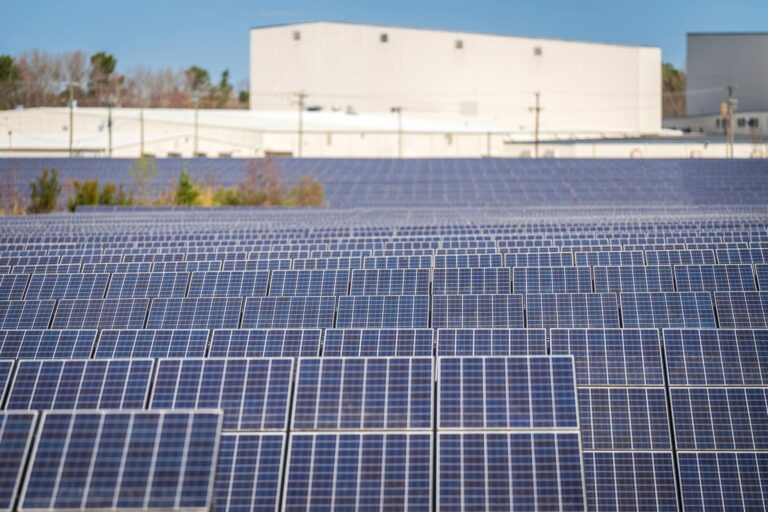
The Florida Panhandle is undergoing a series of grid upgrades aimed at improving reliability, accommodating growing demand, and integrating more renewable energy sources. These changes are not just about replacing old poles or adding new transformers; they represent a fundamental transformation of how electricity flows across the region. For solar owners, this evolution can influence everything from how quickly a system can be connected to the grid to the financial incentives that make solar projects viable. In this article we’ll explore the utility infrastructure solar impact of upcoming upgrades, examine the regulatory landscape, and provide actionable steps for homeowners and businesses looking to protect or enhance the value of their solar investments.
Find us here:
Solar Cost Calculator – Florida Panhandle Only
* Estimate based on $3.25 per watt for solar installation.
* For Tesla Powerwall 3 Batteries, $15,000 for the first battery, $12,000 for each additional battery.
* Other variations and types of Batteries are available.
Current State of the Grid in the Panhandle
Historically, the electric distribution network in the Panhandle has relied on a mix of aging overhead lines and limited underground cabling. Many of the substations were designed decades ago, before the surge in distributed generation that solar panels now provide. As a result, utilities often face capacity constraints, especially during peak summer months when air‑conditioning loads spike. These constraints can lead to voltage fluctuations, occasional brownouts, and a slower approval process for new interconnections. Solar owners have already experienced the utility infrastructure solar impact in the form of tighter interconnection studies and stricter voltage ride‑through requirements.
Why Upgrades Are Being Implemented
Several forces are driving the push for modernizing the grid. First, the state’s Renewable Portfolio Standard (RPS) targets a higher percentage of clean electricity, compelling utilities to make room for more solar and wind generation. Second, climate‑related events such as hurricanes and severe storms have exposed vulnerabilities in the existing infrastructure, prompting investments in resilience. Third, advances in smart grid technology—like automated reclosers, advanced metering infrastructure (AMI), and real‑time monitoring—offer utilities the tools to manage distributed resources more efficiently. Together, these factors shape the utility infrastructure solar impact by creating a more flexible, but also more complex, environment for solar owners.
Enhanced Interconnection Standards
One of the most immediate effects of grid upgrades is the revision of interconnection standards. New standards often require more detailed studies to assess how a solar system will affect line loading, fault currents, and protection schemes. While these studies can add time and cost, they also improve system safety and reduce the likelihood of unexpected outages caused by improperly sized inverters or mismatched equipment. The utility infrastructure solar impact here is a trade‑off: higher upfront scrutiny in exchange for a more stable operating environment.
Changes to Net Metering Policies
Net metering—the practice of crediting solar owners for excess electricity sent back to the grid—is also under review as utilities modernize their networks. Some utilities are shifting toward “value‑of‑solar” tariffs that more accurately reflect the cost of integrating distributed generation. This shift can affect the financial return on new solar installations. However, the same upgrades that enable better data collection and real‑time pricing can also open doors to new compensation models, such as demand response payments or participation in ancillary service markets. Understanding the utility infrastructure solar impact on net metering helps owners anticipate changes to their cash flow.
Advanced Metering and Data Management
Smart meters are being deployed across the Panhandle to provide utilities with granular consumption data and to enable two‑way communication with customers. For solar owners, this means more accurate measurement of both consumption and generation, which can lead to clearer billing and reduced disputes. Additionally, advanced data platforms can support time‑of‑use (TOU) rates, encouraging owners to shift consumption to periods when solar generation is high. The utility infrastructure solar impact of advanced metering is a greater ability to optimize energy use and potentially increase the value of solar production.
Potential Benefits for Solar Owners
Despite the challenges, the grid upgrades present several advantages for those who have already invested in solar or are considering it. Improved grid reliability reduces the risk of prolonged outages that could otherwise diminish the performance of a solar system. Upgraded substations and higher‑capacity lines can accommodate larger solar arrays, opening the market for community solar projects and commercial installations. Moreover, the integration of smart technologies enables new revenue streams, such as participation in demand response programs where solar owners get paid to reduce load during peak periods. These benefits illustrate a positive utility infrastructure solar impact that can enhance both the financial and operational aspects of solar ownership.
Challenges and Costs to Consider
While the upgrades bring opportunities, they also introduce new hurdles. Updated interconnection requirements may increase the engineering and permitting costs for new projects. Utilities might impose higher interconnection fees to cover the cost of network studies and equipment upgrades. In some cases, existing solar owners could be required to retrofit inverters or add voltage regulation equipment to meet tighter standards. These expenses can affect the overall return on investment, especially for smaller residential systems. Understanding the full scope of the utility infrastructure solar impact helps owners budget for potential retrofits and plan for future expansions.
Strategic Steps for Solar Owners
- Stay Informed: Regularly review utility announcements and public utility commission filings related to grid upgrades.
- Engage Early: Initiate interconnection discussions with your utility before submitting a formal application to understand any new requirements.
- Upgrade Equipment: Consider investing in smart inverters that can communicate with the grid and meet future compliance standards.
- Leverage Data: Use your smart meter data to analyze production patterns and identify opportunities for TOU rate enrollment.
- Explore Incentives: Look for state or local programs that offset the cost of equipment upgrades or provide additional compensation for ancillary services.
Key Changes and Their Direct Impacts
| Upgrade Area | Direct Impact on Solar Owners |
|---|---|
| Interconnection Standards | More detailed studies; possible higher fees; improved system safety. |
| Net Metering Policies | Shift to value‑of‑solar tariffs; new compensation models. |
| Smart Meter Deployment | Accurate production tracking; eligibility for TOU rates. |
| Substation Capacity | Allows larger arrays; supports community solar. |
Future Outlook for Solar in the Panhandle
Looking ahead, the continued modernization of the grid is likely to make the Panhandle a more attractive market for solar development. As utilities adopt advanced distribution management systems, they will be better equipped to handle high penetrations of distributed generation without compromising reliability. This evolution may lead to more flexible rate structures, increased opportunities for solar owners to participate in grid services, and a smoother path for large‑scale solar projects. The long‑term utility infrastructure solar impact is expected to be a net positive, fostering a more resilient and renewable‑focused energy ecosystem.
Conclusion
Utility infrastructure upgrades across the Florida Panhandle are reshaping the relationship between solar owners and their electric providers. By understanding the potential benefits, challenges, and strategic actions outlined above, solar owners can navigate the evolving landscape and maximize the value of their investments. Staying proactive and informed will ensure that the utility infrastructure solar impact works in your favor, turning grid modernization into an opportunity rather than an obstacle.
