



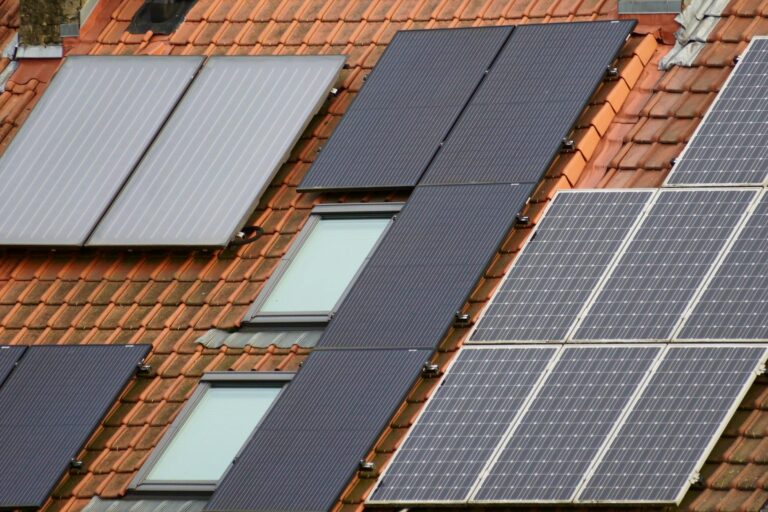
Why Solar Isn’t Just a Roof Upgrade, It’s a Mental Shift
When a homeowner in the Florida Panhandle decides to install solar panels, the transformation goes far beyond a lower utility bill. The experience rewires how they view power, money, and responsibility toward the planet. This shift, often described as a solar energy mindset homeowners develop, creates a ripple effect that influences daily habits, long‑term planning, and even community involvement. In this article we’ll explore the psychological and practical changes that occur, why they matter, and how you can nurture this new perspective for lasting benefit.
Find us here:
Solar Cost Calculator – Florida Panhandle Only
* Estimate based on $3.25 per watt for solar installation.
* For Tesla Powerwall 3 Batteries, $15,000 for the first battery, $12,000 for each additional battery.
* Other variations and types of Batteries are available.
Understanding the Traditional Energy Mindset
Before solar, most homeowners operate under a passive relationship with the grid. Electricity is a utility that arrives on a monthly bill, and the source of that power remains abstract. The default mindset focuses on short‑term costs: “How much is my bill this month?” rather than the broader implications of consumption patterns. This view often leads to complacency, where energy‑saving measures are seen as optional luxuries instead of essential choices. The lack of visibility into where power originates also dulls the sense of accountability for carbon footprints.
What Triggers the Shift to a Solar Energy Mindset?
Installing a solar array introduces tangible data. Inverters display real‑time production, battery monitors show stored energy, and monthly statements break down savings versus grid reliance. This immediate feedback creates a sense of ownership. Homeowners begin to see electricity as a resource they can generate, store, and manage, rather than something merely consumed. The clarity of numbers and visual cues turns abstract concepts into concrete daily decisions, prompting a deeper awareness of energy use.
Financial Awareness Shift
One of the first and most noticeable changes for solar energy mindset homeowners is a heightened sense of financial literacy. When the system is operational, each kilowatt‑hour produced translates directly into dollars saved. This correlation encourages homeowners to track their consumption more meticulously, compare peak‑hour usage, and adjust habits to maximize self‑consumption. The result is a proactive approach to budgeting that extends beyond the utility bill, influencing decisions about home upgrades, maintenance schedules, and even investment strategies.
Understanding Return on Investment (ROI)
Traditional homeowners often view solar as a large upfront expense with uncertain payoff. Once the panels are installed, the ROI becomes a living metric, updated monthly as savings accrue. This transparency demystifies the investment, turning it into a dynamic asset rather than a static purchase. The ongoing calculation of payback periods and net present value reinforces disciplined financial planning and encourages further sustainable investments.
Budgeting for Energy Independence
With a solar array, homeowners start budgeting for energy independence instead of merely managing expenses. They allocate funds for battery storage, system maintenance, and potential upgrades, all while tracking how each decision impacts overall savings. This mindset fosters a long‑term perspective, where the goal is not just to lower the current bill but to build resilience against future rate hikes and grid instability.
Environmental Consciousness Grows
Beyond the ledger, a solar installation awakens a stronger connection to environmental stewardship. Seeing sunlight converted into clean electricity on a daily basis reinforces the tangible benefits of reducing fossil‑fuel reliance. Homeowners begin to ask how other aspects of their lifestyle align with sustainability goals, leading to changes in water usage, waste reduction, and even landscaping choices that favor native, drought‑tolerant plants.
Carbon Footprint Visibility
Many solar monitoring apps now display estimated carbon offsets alongside energy production. This data transforms abstract environmental concerns into measurable achievements. When a homeowner can say, “I’ve avoided X tons of CO₂ this year,” the impact feels personal and motivating, prompting further eco‑friendly actions.
Community Influence
In close‑knit neighborhoods like those along the Florida Panhandle, one household’s solar success often sparks curiosity among neighbors. The visible panels and shared stories become conversation starters, spreading the awareness of clean energy benefits. This ripple effect can lead to neighborhood solar co‑ops, collective purchasing power, and a broader cultural shift toward renewable adoption.
Lifestyle Adjustments That Follow
Adopting a solar energy mindset reshapes daily routines. Homeowners learn to align high‑energy activities—such as running the dishwasher, charging electric vehicles, or operating a pool pump—with peak solar production hours. This synchronization not only maximizes self‑consumption but also cultivates a habit of planning and timing, which can spill over into other areas like meal preparation or home maintenance.
Smart Home Integration
Many solar households upgrade to smart thermostats, automated lighting, and energy‑aware appliances. These technologies provide granular control, allowing users to set schedules that align with solar generation curves. The result is a more efficient home that feels responsive and modern, reinforcing the homeowner’s confidence in managing their own energy ecosystem.
Reduced Reliance on the Grid
When batteries store excess sunlight, power outages become less disruptive. Homeowners experience a newfound sense of security, knowing they can keep essential devices running even when the grid fails. This resilience further strengthens the mental shift toward self‑sufficiency and reduces anxiety about utility disruptions.
Real‑World Examples from Florida Panhandle Homeowners
Consider the story of a family in Destin who installed a 7‑kilowatt system on their coastal home. Within the first year, they saw a 45% reduction in their electric bill and tracked a cumulative savings of $7,200. More importantly, the parents began teaching their children about solar generation during dinner, turning the data into a learning tool. Their newfound awareness inspired the kids to start a school project on renewable energy, spreading the mindset beyond the household.
Another example comes from a retiree in Pensacola who added a battery backup to his existing array. During a recent hurricane, the grid was down for three days, yet his home remained fully functional. The experience shifted his perspective from “nice to have” to “essential.” He now advocates for solar at local senior centers, emphasizing the peace of mind that comes with energy independence.
Before vs. After Solar: A Quick Comparison
| Aspect | Before Solar | After Solar |
|---|---|---|
| Monthly Electricity Cost | $250‑$300 | $130‑$150 (average) |
| Carbon Emissions (tons/yr) | ~3.5 | ~1.9 (reduction) |
| Energy Awareness | Low – bills are the only feedback | High – real‑time production data |
| Grid Dependence | Full | Partial – battery backup |
This table illustrates how a solar energy mindset reshapes core aspects of home life. The numbers speak for themselves, but the underlying change is the shift from passive consumption to active management.
Tips for Maintaining Your New Mindset
Developing a solar energy mindset is just the first step; sustaining it requires intentional habits. Below are practical strategies to keep the momentum going and deepen your connection to clean power.
- Review your solar production dashboard weekly and set small goals to improve self‑consumption.
- Schedule quarterly system inspections to ensure panels and inverters operate at peak efficiency.
- Integrate energy‑aware settings on smart appliances, aligning their cycles with peak sunlight hours.
- Join local solar owner groups or online forums to share experiences and learn from peers.
- Celebrate milestones—such as reaching a certain amount of CO₂ avoided—with a family activity that reinforces the achievement.
Common Misconceptions Debunked
Even after installation, many homeowners hold onto myths that can erode their mindset. One belief is that solar panels require constant cleaning to be effective; in reality, rain in the Florida Panhandle naturally washes away most debris. Another myth is that solar only works in sunny climates—while abundant sunshine boosts output, modern panels generate electricity even on cloudy days, ensuring consistent benefits.
Steps to Adopt a Solar Energy Mindset (Even Before Going Solar)
- Start tracking your current electricity usage with a simple spreadsheet or app.
- Identify peak usage times and consider shifting non‑essential loads to daylight hours.
- Research local incentives, tax credits, and financing options to understand the financial landscape.
- Visit a solar showroom or schedule a free site assessment to visualize how panels would look on your roof.
- Engage family members in conversations about energy goals and set collective targets.
By taking these preparatory steps, you begin the mental transition before any hardware is installed, making the eventual switch smoother and more impactful.
In summary, the journey from a traditional utility‑dependent household to one that embraces a solar energy mindset homeowners develop is profound. It reshapes financial habits, deepens environmental responsibility, and encourages lifestyle choices that prioritize sustainability. For residents of the Florida Panhandle, the combination of abundant sunshine and supportive community networks makes this shift both feasible and rewarding. Embrace the change, track your progress, and watch how your perception of energy—and your role within the larger ecosystem—evolves.
