



Understanding the Local Priorities in Florida’s Panhandle
The Florida Panhandle is renowned for its coastal charm, historic neighborhoods, and a strong sense of place that residents protect fiercely. In many of these communities, the visual harmony of streetscapes—often referred to as curb appeal—takes precedence over purely functional considerations. When homeowners contemplate adding solar panels, they are not just evaluating energy output; they are weighing how the installation will blend with the architectural language of their street. This mindset creates a nuanced debate that pits “solar aesthetics vs performance” against the backdrop of local identity, property values, and community guidelines. Understanding why aesthetics can outweigh raw power generation helps designers, installers, and policy makers craft solutions that respect both the environment and the neighborhood’s visual integrity.
Find us here:
Solar Cost Calculator – Florida Panhandle Only
* Estimate based on $3.25 per watt for solar installation.
* For Tesla Powerwall 3 Batteries, $15,000 for the first battery, $12,000 for each additional battery.
* Other variations and types of Batteries are available.
The Role of Curb Appeal in Decision‑Making
Curb appeal is more than a buzzword; it is a measurable factor that influences home resale values, insurance premiums, and even the perceived safety of a street. In the Panhandle, many neighborhoods have been built around a cohesive architectural style—whether it’s classic bungalows, Mediterranean villas, or modern coastal homes. When a solar array disrupts that visual rhythm, homeowners often fear a negative impact on their property’s marketability. Consequently, the conversation shifts from “how many kilowatt‑hours will we generate?” to “how will the panels look against the roofline and the surrounding homes?” This shift underscores the importance of the phrase solar aesthetics vs performance, highlighting that visual integration can be as decisive as the system’s efficiency.
Design Constraints Imposed by Aesthetic Priorities
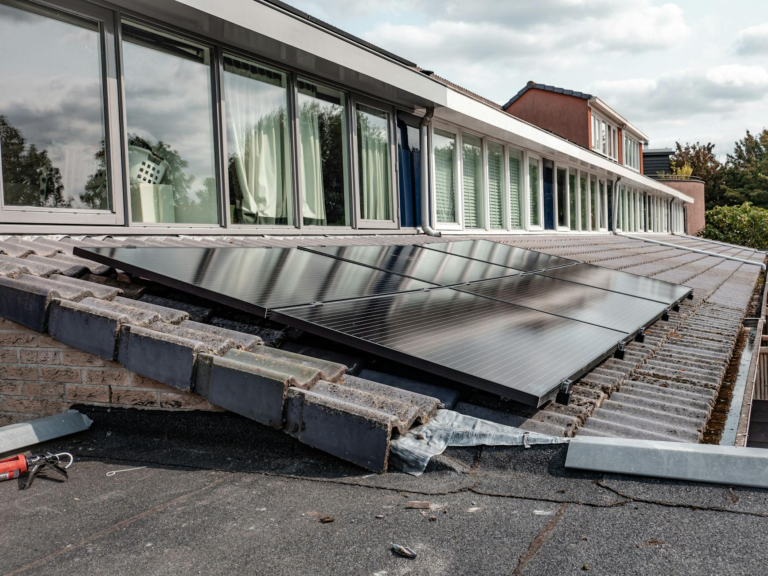
When aesthetics dominate the discussion, several design constraints emerge. First, there is a preference for low‑profile mounting systems that sit flush with the roof, minimizing visual bulk. Second, the color of the panels becomes a point of negotiation; black or dark‑tinted modules are often favored because they blend with traditional roofing materials. Third, the orientation and tilt of panels may be adjusted to follow the roof’s existing lines rather than the optimal sun‑tracking angle. While these choices can modestly reduce the system’s peak output, they satisfy the community’s desire for visual cohesion. The ongoing dialogue around solar aesthetics vs performance illustrates how local taste can shape the technical specifications of an installation.
Balancing Aesthetics and Energy Output
Achieving a balance between looks and efficiency is not an impossible feat. Advanced micro‑inverter technology, for example, allows panels to operate independently, mitigating the loss caused by less-than‑ideal tilt angles. Similarly, power‑optimised thin‑film modules can be painted or tinted to match roof colors without a severe penalty to performance. Designers also employ strategic placement—installing panels on less visible roof sections or integrating them into skylights—to preserve the visual appeal while still capturing sunlight. The conversation of solar aesthetics vs performance is evolving as technology provides more flexible options that respect both the community’s visual standards and the homeowner’s energy goals.
Case Study: A Historic Neighborhood in Pensacola
In a historic district of Pensacola, a homeowners’ association (HOA) mandated that any new solar installation must maintain the street’s “classic Mediterranean look.” The HOA’s guidelines stipulated that panels be no higher than the roof peak and that they be painted a deep charcoal to match the tile roofs. An installer proposed a 5 kW system using low‑profile, charcoal‑tinted panels mounted flush with the roof. Although the system’s projected output was 10 % lower than a standard tilt‑optimized array, the homeowner accepted the trade‑off because the visual impact was negligible. This scenario exemplifies how the phrase solar aesthetics vs performance can be negotiated to achieve a solution that satisfies both the community’s visual standards and the homeowner’s desire for renewable energy.
Homeowner Perspectives on Visual Integration
Surveys conducted across several Panhandle towns reveal that 68 % of respondents consider the visual impact of solar panels to be a primary factor in their purchase decision. Many homeowners expressed concern that conspicuous panels could “diminish the charm” of their street, potentially affecting neighborhood cohesion. When asked about the trade‑off between aesthetics and output, the majority indicated a willingness to accept a modest reduction in efficiency if it meant preserving the community’s appearance. This sentiment reinforces the relevance of solar aesthetics vs performance in local decision‑making and highlights the need for installers to present design options that respect visual preferences.
Developer Strategies for Aesthetic‑Friendly Solar
Developers aiming to introduce solar into aesthetic‑sensitive markets adopt several strategies. They often start with a visual impact assessment, creating renderings that show how panels will appear from street level. They also collaborate with local architects to select panel colors and mounting styles that echo existing roof materials. In some cases, developers integrate solar shingles—building‑integrated photovoltaics (BIPV)—directly into the roofing material, essentially turning the roof itself into a power generator. By foregrounding the conversation of solar aesthetics vs performance early in the planning stage, developers can streamline approvals, reduce community resistance, and still deliver a functional renewable energy system.
Policy, HOA Guidelines, and Regulatory Influences
Local ordinances and HOA covenants often codify aesthetic standards, specifying acceptable colors, mounting heights, and placement zones for solar equipment. While state law in Florida protects a homeowner’s right to install solar, many municipalities allow HOAs to impose “reasonable” design restrictions. The term solar aesthetics vs performance frequently appears in legal discussions, where courts balance the homeowner’s right to clean energy against the community’s interest in preserving visual uniformity. Understanding these regulatory frameworks is essential for any party navigating the solar market in the Panhandle, as compliance can dictate whether a project proceeds smoothly or faces costly delays.
Future Trends: Merging Form and Function
Emerging technologies promise to blur the line between aesthetics and performance even further. Transparent solar glass can replace traditional windows, turning façades into energy generators without altering a building’s appearance. Flexible, lightweight panels can be woven into roofing membranes, creating a seamless look. As these innovations become commercially viable, the debate of solar aesthetics vs performance will shift from a compromise to a synergy, allowing communities to embrace clean energy without sacrificing their visual heritage. Anticipating these trends enables designers and policymakers to craft forward‑looking guidelines that encourage adoption while protecting community character.
Comparative Overview of Aesthetic‑Focused vs Performance‑Focused Installations
| Aspect | Aesthetic‑Focused Installation | Performance‑Focused Installation |
|---|---|---|
| Panel Visibility | Low‑profile, color‑matched, often flush‑mounted | Standard‑profile, typically black, mounted for optimal tilt |
| Energy Output | 5‑10 % lower due to sub‑optimal angle or shading | Maximum possible output based on site conditions |
| Community Acceptance | High – aligns with HOA and neighborhood visual standards | Variable – may face resistance from aesthetic‑sensitive groups |
| Installation Cost | Slightly higher for custom mounting solutions | Standard cost with widely available components |
Key Takeaways for Stakeholders
- Recognise that in many Panhandle communities, curb appeal can outweigh pure energy generation.
- Engage early with HOAs and local architects to address solar aesthetics vs performance concerns.
- Consider low‑profile, colour‑matched panels or BIPV solutions to meet visual standards.
- Leverage advanced inverters and micro‑technology to mitigate performance losses from aesthetic compromises.
- Stay informed about emerging technologies that integrate solar seamlessly into building envelopes.
By acknowledging the delicate balance between visual harmony and renewable energy goals, designers, homeowners, and policymakers can collaborate on solutions that honour both community identity and environmental responsibility.
In conclusion, the dialogue surrounding solar aesthetics vs performance is a testament to the fact that energy projects do not exist in a vacuum. In Florida’s Panhandle, the desire for beautiful streetscapes can shape the very technical specifications of a solar system. When stakeholders prioritize thoughtful design alongside efficient technology, they create outcomes that enhance property values, satisfy community standards, and contribute to a greener future.
