



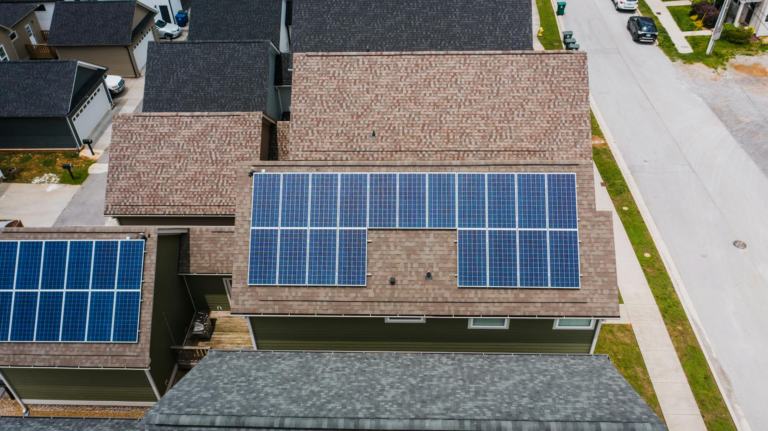
Why Climate Insurance Is Becoming a Driving Force Behind Solar Adoption
In recent years, the insurance industry has begun to feel the full impact of a changing climate. More frequent hurricanes, flooding, and extreme heat events have pushed insurers to reevaluate risk models, especially in coastal regions like the Florida Panhandle. As premiums rise and coverage gaps appear, homeowners are seeking ways to lower their exposure and protect their assets. One increasingly popular solution is solar energy, which not only reduces electricity bills but can also qualify property owners for lower insurance rates through resilience incentives. This emerging relationship between risk management and clean energy is reshaping how families think about long‑term investments. Understanding the link between climate insurance and solar adoption is essential for anyone looking to future‑proof their home and finances.
Find us here:
Solar Cost Calculator – Florida Panhandle Only
* Estimate based on $3.25 per watt for solar installation.
* For Tesla Powerwall 3 Batteries, $15,000 for the first battery, $12,000 for each additional battery.
* Other variations and types of Batteries are available.
The Rise of Climate‑Focused Insurance Policies
Insurance carriers have traditionally relied on historical data to price policies, but the accelerating pace of climate‑related disasters is rendering those models less reliable. Actuaries now incorporate climate projections, leading to higher premiums in high‑risk zones and, in some cases, outright refusals to write new policies for properties deemed too vulnerable. This shift is creating a new market pressure: homeowners must either invest in mitigation measures or face escalating costs. Solar panels, when paired with battery storage, can provide a degree of energy independence that insurers view favorably, especially when they contribute to a property’s overall resilience against power outages caused by storms. Consequently, the conversation around climate insurance solar adoption is moving from niche to mainstream.
How Insurance Costs Influence Homeowner Decisions
When a homeowner receives a notice that their property insurance premium will increase by 20 percent or more, the financial calculus changes dramatically. Many families start to examine their utility bills, looking for ways to offset the additional expense. Solar installations can reduce electricity costs by 50 % or more, freeing up cash flow that can be redirected to cover higher insurance fees. Moreover, some insurers offer discounts for homes equipped with renewable energy systems that meet specific durability standards. This creates a feedback loop: higher insurance costs motivate solar adoption, and solar adoption, in turn, can lead to lower insurance premiums, making the investment even more attractive.
Florida Panhandle: A Real‑World Example of Climate Insurance Impact
The Florida Panhandle is often cited as a microcosm of the broader national trend. The region experiences a high frequency of tropical storms and a growing incidence of sea‑level rise, prompting insurers to raise rates across the board. Homeowners in coastal towns such as Pensacola and Destin have reported premium hikes of up to 35 percent in the past five years. In response, many residents are turning to solar energy not just for the environmental benefits, but as a strategic financial move. By installing rooftop panels and adding a battery backup, they can maintain power during grid outages, which insurers increasingly recognize as a risk‑mitigation factor.
Insurance Pressure Points Specific to the Panhandle
- Rising wind‑storm deductible amounts, often exceeding $5,000.
- Increased flood zone classifications that trigger higher flood insurance premiums.
- Mandatory building code upgrades that add to renovation costs.
- Limited availability of traditional homeowners’ policies, leading to reliance on surplus lines carriers.
Each of these pressure points nudges property owners toward solutions that can demonstrably reduce risk. Solar installations that meet the latest hurricane‑resistant standards can be a compelling part of a broader resilience package, helping to satisfy insurer requirements while also delivering long‑term energy savings.
Solar as a Mitigation Strategy in a High‑Risk Insurance Landscape
Solar technology has matured to the point where it can serve both environmental and protective functions. Modern photovoltaic (PV) systems are built to withstand high wind speeds, and when paired with lithium‑ion battery storage, they can keep essential appliances running during prolonged outages. Insurers are beginning to factor these capabilities into their underwriting processes, offering lower premiums or reduced deductibles for homes that demonstrate a lower probability of total loss. This trend underscores the importance of viewing solar adoption through the lens of climate insurance, especially in regions where the threat of severe weather is a daily reality.
Economic Benefits of Solar Under High Insurance Premiums
When insurance costs climb, the return on investment (ROI) for solar improves dramatically. A typical 6‑kilowatt residential system in the Panhandle might cost around $18,000 after federal tax credits. Under normal electricity rates, the payback period could be 9–11 years. However, if a homeowner is paying an extra $1,200 per year in insurance, the effective payback shortens to roughly 6–7 years because the solar savings directly offset the higher insurance expense. Over a 25‑year system lifespan, the combined savings from reduced utility bills and lower insurance premiums can exceed $80,000, making climate insurance solar adoption a financially sound decision.
Technical Considerations for Resilient Solar Installations
To maximize the insurance benefits of solar, homeowners should focus on three technical aspects: (1) selecting panels with a high wind‑load rating (often 130 mph or greater), (2) installing racking systems that meet local building codes for hurricane zones, and (3) integrating battery storage that can sustain critical loads for at least 24 hours. Additionally, many insurers require proof of regular maintenance and system monitoring, so opting for a reputable installer with a comprehensive service agreement can further improve the risk profile of the property.
Policy Landscape and Incentives Supporting Climate‑Driven Solar Adoption
State and local governments are playing a pivotal role in encouraging the intersection of insurance and renewable energy. Florida’s solar rebate programs, combined with property‑tax exemptions for renewable installations, lower the upfront cost barrier. Moreover, recent legislation has introduced “resilience credits” that insurers can award to policyholders who adopt proven mitigation measures, including solar. These credits can translate into a 5‑10 % discount on homeowners’ insurance premiums, effectively creating a direct financial incentive for climate insurance solar adoption.
- Florida Solar Energy System Incentives (FSESI) – up to $2,500 rebate per kilowatt.
- Property Tax Exemption – 100 % exemption on the added value of solar equipment.
- Resilience Credit Program – insurance premium discount for certified resilient upgrades.
- Federal Investment Tax Credit (ITC) – 30 % tax credit for residential solar installations.
Future Projections: How Climate Insurance Trends May Shape Solar Growth
Analysts predict that as climate risk modeling becomes more sophisticated, insurers will increasingly reward proactive mitigation strategies. By 2030, it is estimated that at least 40 % of new residential solar projects in high‑risk coastal states will be driven, at least in part, by insurance considerations. This shift could accelerate the overall adoption rate of solar across the United States, with the Florida Panhandle serving as a bellwether for other vulnerable regions.
| Year | Average Homeowner Insurance Premium Increase (%) | Projected Solar Adoption Rate (%) |
|---|---|---|
| 2024 | 12 | 8 |
| 2026 | 15 | 12 |
| 2028 | 18 | 18 |
| 2030 | 22 | 27 |
The table above illustrates a clear correlation: as insurance premiums climb, the proportion of homeowners opting for solar systems rises in tandem. This data underscores the growing importance of climate insurance solar adoption as a strategic response to evolving risk landscapes.
In summary, the interplay between rising climate‑related insurance costs and the financial benefits of solar energy is reshaping homeowner decision‑making, especially in vulnerable areas like the Florida Panhandle. By recognizing solar as both an environmental and a risk‑mitigation tool, homeowners can protect their properties, reduce long‑term expenses, and contribute to a more resilient energy future.
