



Why Solar Decisions Age Better Than Energy Contracts
When homeowners in the Florida Panhandle weigh their options for powering a house, the conversation often narrows to a single comparison: solar vs energy contracts. At first glance, both choices seem to promise reliable electricity, but the long‑term implications differ dramatically. Energy contracts are typically short‑term agreements that can shift in price every year, while solar installations lock in a predictable cost for decades. Over time, the financial, environmental, and lifestyle benefits of solar power begin to outpace the fleeting advantages of a utility agreement. In this article we’ll explore why thinking ahead favors solar, especially in a region where weather patterns and market volatility can make traditional energy contracts feel like a gamble.
Find us here:
Solar Cost Calculator – Florida Panhandle Only
* Estimate based on $3.25 per watt for solar installation.
* For Tesla Powerwall 3 Batteries, $15,000 for the first battery, $12,000 for each additional battery.
* Other variations and types of Batteries are available.
Understanding Energy Contracts in the Florida Panhandle
Energy contracts, often called fixed‑rate or variable‑rate plans, are agreements you sign with a local utility or third‑party provider. In the Panhandle, these contracts usually span 12 to 24 months, after which rates can be renegotiated or automatically adjusted based on market conditions. Providers may offer promotional rates that look attractive at signing, but the fine print frequently includes escalation clauses, demand charges, and seasonal adjustments. Because the region experiences hot, humid summers and milder winters, electricity usage spikes during peak cooling months, making any rate increase feel more pronounced. Understanding these nuances is essential when you compare solar vs energy contracts because the hidden costs can quickly erode any short‑term savings.
The Hidden Fees in Energy Contracts
Beyond the advertised price per kilowatt‑hour, many energy contracts embed fees that are easy to overlook. These can include connection fees, early termination penalties, and monthly administrative charges. Some plans also incorporate “fuel adjustment” fees that fluctuate with wholesale energy prices, effectively turning a “fixed” rate into a variable one. In the Florida Panhandle, where utility infrastructure must constantly adapt to hurricane threats, these ancillary fees often rise after a storm event. When you factor in these additional expenses, the true cost of staying with an energy contract can be substantially higher than the headline rate suggests, tilting the balance in favor of solar when you evaluate solar vs energy contracts.
The Volatility Factor in Traditional Energy Contracts
Energy markets are intrinsically volatile. Prices are influenced by fuel costs, regulatory changes, and geopolitical events that can cause sudden spikes. In the Gulf Coast region, natural gas prices have historically swung dramatically, and those fluctuations are passed directly to consumers through variable contracts. Even “fixed” contracts can be subject to annual escalations tied to inflation indices. For a homeowner budgeting for the next 20 years, this uncertainty makes it difficult to plan for other expenses, such as home improvements or college tuition. The volatility inherent in energy contracts stands in stark contrast to the stability offered by a solar system, where the primary outlay is upfront and the ongoing cost is essentially zero.

How Solar Power Provides Predictable Costs
When you install a solar photovoltaic (PV) system, you pay a one‑time cost—often mitigated by financing, tax credits, or rebates—that covers equipment, labor, and permitting. After the system is operational, the electricity it generates is essentially free, aside from minimal maintenance. Most solar owners opt for a power purchase agreement (PPA) or a lease, but even those arrangements lock in a rate that is typically lower than utility rates and rises at a fraction of the speed of traditional contracts. This predictability means you can forecast your utility bill for the lifespan of the system—often 25 to 30 years—without fearing sudden price hikes. In the ongoing debate of solar vs energy contracts, this certainty is a compelling advantage for long‑term homeowners.
The Lifespan of Solar Panels vs Contract Renewals
Solar panels are engineered to produce electricity for 25 to 35 years, with performance warranties guaranteeing at least 80% of original output after 25 years. In contrast, energy contracts typically renew every one to two years, forcing you to renegotiate terms and potentially face higher rates each cycle. Over a 30‑year horizon, a homeowner might experience 15‑30 contract renewals, each with its own set of fees and rate adjustments. Meanwhile, a solar system continues to generate power with only occasional inverter replacements or cleaning. This disparity illustrates why many Florida Panhandle residents view solar as a “set‑and‑forget” solution that ages gracefully, whereas energy contracts demand constant attention and re‑evaluation.
Long‑Term Financial Benefits: A Comparative Look
To truly grasp the financial impact, consider the cumulative cost of electricity over a 25‑year period. Energy contracts, even with modest annual escalations of 3%, can increase total spending by more than 100% compared to the original rate. Solar owners, on the other hand, often see a net savings of $30,000 to $50,000 after accounting for installation costs, tax incentives, and the avoided utility bills. Moreover, many utilities in the Panhandle offer net metering, allowing excess solar generation to be credited against future consumption, further boosting the economic case. When you compare solar vs energy contracts side by side, the long‑term cash flow advantage of solar becomes unmistakable.
Financing Options for Solar Installation
One common misconception is that solar requires a massive upfront cash outlay. In reality, homeowners can choose from several financing pathways: cash purchase, solar loans, home equity lines of credit, or power purchase agreements. Solar loans often feature low interest rates and terms that match the system’s lifespan, making monthly payments comparable to—or lower than—typical utility bills. Some lenders even offer “zero‑down” options, allowing you to start saving from day one while the loan is repaid over time. These flexible financing structures help level the playing field in the solar vs energy contracts debate, ensuring that cost is not a barrier to long‑term savings.
Impact on Property Value
Multiple studies have shown that homes equipped with solar panels sell for a premium—often $10,000 to $20,000 more—than comparable homes without solar. Buyers recognize the value of reduced utility costs and the environmental benefits, making solar an attractive selling point. In the Florida Panhandle, where real estate markets can be seasonal, a solar system can differentiate a property and shorten time on market. This added equity is a strategic advantage that traditional energy contracts simply cannot provide, reinforcing why solar is a smarter long‑term investment when evaluating solar vs energy contracts.
Environmental and Resilience Advantages
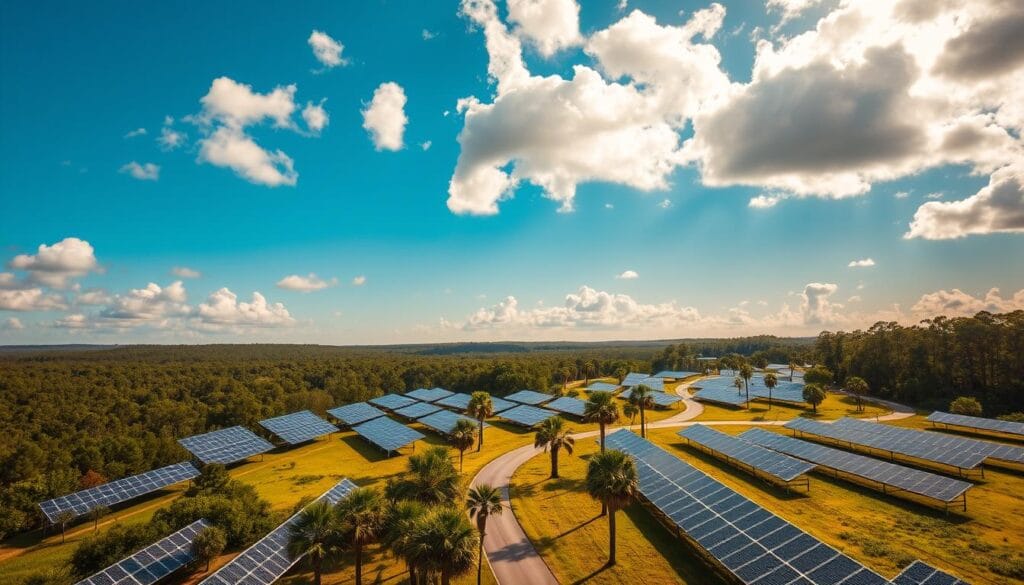
Beyond the monetary considerations, solar power offers significant environmental benefits. Generating electricity on‑site reduces reliance on fossil fuels, cutting greenhouse gas emissions and improving air quality. In the hurricane‑prone Panhandle, solar systems paired with battery storage can provide critical backup power, keeping essential appliances running during outages. Traditional energy contracts, in contrast, leave you dependent on the grid, which may be down for days after a storm. By choosing solar, homeowners not only protect their wallets but also contribute to a cleaner, more resilient community.
Incentives, Tax Credits, and Net Metering in Florida
Florida offers a suite of incentives that make solar even more financially attractive. The Federal Investment Tax Credit (ITC) currently allows you to deduct 30% of the system cost from your federal taxes. Additionally, the state’s net metering policy credits solar owners at the utility’s retail rate for excess electricity sent back to the grid. Local utilities may also provide rebates or low‑interest financing programs. When these incentives are factored into the total cost analysis, the advantage of solar over conventional energy contracts becomes even more pronounced, reinforcing the long‑term thinking that favors solar.
Case Study: A Typical Florida Panhandle Home
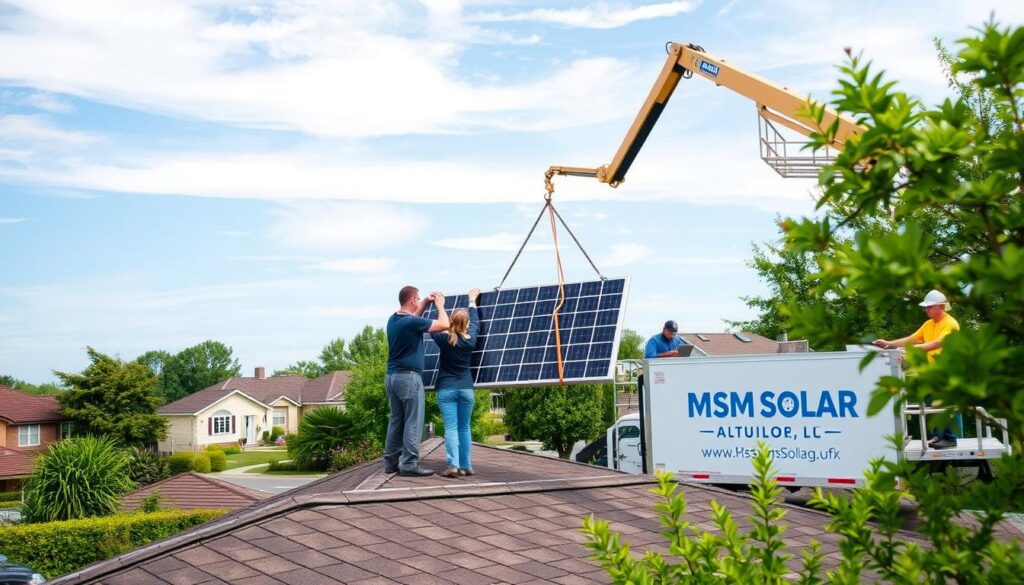
Consider a 2,500‑square‑foot home in Pensacola with an average annual electricity consumption of 14,000 kWh. The homeowner currently pays $0.12 per kWh under a 12‑month variable contract. Over 25 years, assuming a 3% annual rate increase, the total cost would exceed $70,000. By installing a 7 kW solar system costing $18,000 after the 30% ITC, the homeowner eliminates the bulk of the electricity bill. Even after accounting for a modest $1,000 annual maintenance and inverter replacement after 15 years, the net savings over the same period surpass $55,000. This real‑world example illustrates how solar outperforms traditional energy contracts in both cost stability and overall savings.
Cost Comparison Over 25 Years
| Year | Energy Contract Cost (Cumulative) | Solar System Cost (Cumulative) |
|---|---|---|
| 1 | $1,680 | $18,000 |
| 5 | $9,200 | $18,500 |
| 10 | $20,500 | $19,000 |
| 15 | $36,800 | $20,000 |
| 20 | $58,500 | $21,000 |
| 25 | $85,900 | $22,000 |
Frequently Asked Questions
- Will solar panels work during hurricanes? Modern panels are built to withstand high winds; however, extreme storms may temporarily reduce output.
- Can I sell excess solar power back to the grid? Yes, through Florida’s net metering program you receive credit at the retail rate.
- How long does a solar installation take? Most residential projects are completed within 2–3 weeks after permitting.
- What happens to the system after the warranty expires? Panels typically continue to produce electricity at reduced efficiency; inverters may need replacement after 10‑15 years.
- Is financing solar more expensive than paying cash? Financing spreads the cost over time and can be cheaper than rising utility rates, especially with low‑interest loans.
