




Understanding the Shift Toward Solar Home Planning
Homeowners across the Florida Panhandle are no longer waiting until a roof replacement or a major renovation to think about renewable energy. Instead, they are bringing solar home planning into the earliest stages of design and budgeting. This proactive approach reflects a broader cultural shift: sustainability is becoming a core component of the American dream, especially in sun‑rich regions where solar power can dramatically reduce electricity costs. By discussing solar options before a floor plan is finalized, families can integrate panels, inverters, and battery storage in ways that complement architectural aesthetics, preserve valuable roof space, and avoid costly retrofits later on.
Find us here:
Solar Cost Calculator – Florida Panhandle Only
* Estimate based on $3.25 per watt for solar installation.
* For Tesla Powerwall 3 Batteries, $15,000 for the first battery, $12,000 for each additional battery.
* Other variations and types of Batteries are available.
The Florida Panhandle’s Natural Advantage
The Panhandle enjoys an average of 240 sunny days per year, positioning it among the top U.S. states for photovoltaic generation. This abundance of sunlight translates directly into higher energy yields, meaning that a well‑designed solar system can offset a substantial portion of a household’s electricity consumption. When homeowners incorporate solar considerations at the planning stage, they can orient the roof to maximize sun exposure, select roofing materials that are compatible with mounting hardware, and even design overhangs that reduce heat gain while preserving panel efficiency.
Why Solar Is Entering Early Planning Conversations
There are three primary forces driving the integration of solar into early home design discussions: financial incentives, technological advancements, and evolving consumer expectations. Each of these forces makes it increasingly logical to treat solar as a foundational element rather than an afterthought.
- Generous state and local rebates reduce upfront costs.
- Improved panel efficiency allows for smaller, more versatile installations.
- Homebuyers now seek properties with built‑in sustainability features.
When these factors converge, the result is a stronger business case for developers, architects, and homeowners alike to embed solar considerations into the blueprint, zoning approvals, and financing models from day one.

Financial Incentives That Make Early Solar Home Planning Attractive
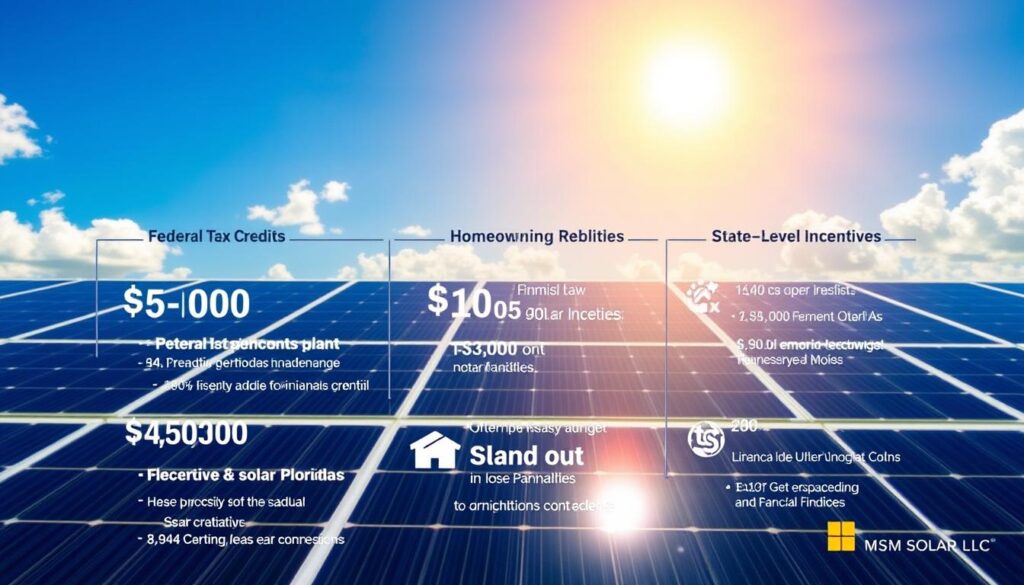
Florida offers a mix of federal tax credits, state rebates, and utility‑level incentives that can collectively shave tens of thousands of dollars off the price of a residential solar system. The most notable is the federal Investment Tax Credit (ITC), which currently allows homeowners to claim 30 % of the total system cost on their federal tax return. In addition, several Panhandle counties provide property‑tax exemptions for the added value of solar installations, ensuring that the increased home value does not translate into higher annual taxes.
Because these incentives are often tied to the date of system installation, developers who incorporate solar early can lock in the most favorable rates and avoid future policy changes that might reduce benefit levels. This timing advantage is a key reason why solar home planning is becoming a standard agenda item in early design meetings.
Technical Considerations for Seamless Integration
From a technical perspective, the placement of solar panels affects not only energy production but also the structural integrity of the home. Early planning allows engineers to calculate load‑bearing capacities, select appropriate racking systems, and design roof pitches that align with optimal solar angles (typically between 20° and 30° for the Panhandle). Moreover, integrating micro‑inverters or power optimizers at the design stage can simplify wiring pathways, reduce the need for extensive conduit runs, and improve overall system reliability.
Another critical factor is the growing popularity of battery storage. By allocating dedicated space for a battery cabinet—whether in a garage, utility room, or basement—homeowners can ensure that their solar system remains functional during outages, a feature that is increasingly valued in coastal regions prone to hurricanes.
Impact on Property Value and Marketability
Numerous studies have shown that homes equipped with solar panels sell faster and at a premium compared with comparable non‑solar properties. In the Florida Panhandle, where electricity rates are climbing due to infrastructure upgrades, buyers are willing to pay up to 5 % more for a house that already includes a functional solar system. By embedding solar into the initial design, sellers can market the home as a “ready‑to‑go” sustainable property, eliminating the need for the buyer to undertake a separate retrofit project.
Furthermore, many real estate platforms now feature filters for “solar‑ready” homes, giving properties that have undergone thoughtful solar home planning a distinct advantage in online listings and search results.
Architectural Design Meets Renewable Energy
Modern architecture increasingly embraces clean lines, open spaces, and natural lighting—all of which can be enhanced by strategically placed solar arrays. For example, a south‑facing roof with minimal obstructions can host a sleek, low‑profile panel layout that remains visually unobtrusive. In contrast, a home with multiple roof angles might benefit from a combination of rooftop and ground‑mounted panels, a decision that is best made during the schematic design phase.
Integrating solar early also opens the door to innovative design features such as solar canopies over patios, solar‑shaded pergolas, and photovoltaic skylights that bring daylight into interior spaces while generating electricity.

Step‑by‑Step Guide to Effective Solar Home Planning
- Assess Energy Needs: Review past utility bills to estimate average daily consumption.
- Site Evaluation: Conduct a sun‑path analysis to identify optimal panel orientation.
- Financial Modeling: Calculate ROI using current incentive programs and projected electricity savings.
- Design Collaboration: Work with architects and engineers to integrate structural supports and electrical pathways.
- Permitting Strategy: Submit plans that meet local building codes and utility interconnection requirements.
- Installation Timeline: Align panel installation with other construction milestones to avoid delays.
Following this roadmap ensures that the solar component of the project is not an afterthought but a fully integrated element that adds value, efficiency, and aesthetic appeal.
Common Misconceptions About Solar Home Planning
Even as interest grows, several myths persist that can deter homeowners from engaging in early solar discussions. One prevalent belief is that solar panels are only suitable for new construction. In reality, many manufacturers now offer thin‑film and flexible panels that can be retrofitted onto existing roofs with minimal disruption. Another myth is that solar systems require excessive maintenance; modern panels are covered by warranties lasting 25 years, and most require only occasional cleaning.
Finally, some homeowners assume that the visual impact of panels will detract from curb appeal. With thoughtful design—such as integrating panels into roof shingles or using low‑profile mounting hardware—the aesthetic impact can be virtually invisible, especially when the system is part of the original architectural vision.
Future Outlook: Solar as a Standard Home Feature
Looking ahead, the convergence of smart home technology, grid‑interactive storage, and declining solar costs suggests that solar will become as standard as HVAC in new homes. In the Panhandle, where climate resilience is a growing concern, solar-equipped houses are poised to offer both energy independence and enhanced disaster recovery capabilities. As utilities adopt more dynamic pricing models, homeowners who have already completed thorough solar home planning will be better positioned to capitalize on time‑of‑use rates and demand‑response programs.
Quick Reference: Incentives and Benefits Overview
| Incentive / Benefit | Details |
|---|---|
| Federal Investment Tax Credit (ITC) | 30 % tax credit on system cost, applicable through 2032. |
| State Property Tax Exemption | Added home value from solar is exempt from property tax reassessment. |
| Local Utility Rebates | Up to $2,000 per kilowatt for eligible residential installations. |
| Energy Savings | Average 60‑80 % reduction in electricity bills for Panhandle homes. |
Conclusion
Integrating solar considerations early in the design process empowers Florida Panhandle homeowners to create resilient, cost‑effective, and marketable residences. By treating solar as a core element of the planning conversation, families can harness abundant sunshine, leverage generous incentives, and future‑proof their homes for evolving energy landscapes. As the trend continues, solar home planning will shift from a niche interest to a standard practice for anyone building or renovating a home in the sun‑rich Gulf Coast region.
