




Introduction: Why the Solar Question Matters in the Florida Panhandle
Living in the sunny stretches of the Florida Panhandle brings a unique energy advantage, but it also raises a common dilemma for homeowners: should i get solar for my home? The answer isn’t a one‑size‑fits‑all formula; it depends on how your property, budget, values, and future plans intersect with the benefits of solar power. In this guide we’ll walk through the critical factors that shape that decision, from roof orientation to long‑term financial forecasts, and help you align a solar investment with the story you want your home to tell.
Find us here:
Solar Cost Calculator – Florida Panhandle Only
* Estimate based on $3.25 per watt for solar installation.
* For Tesla Powerwall 3 Batteries, $15,000 for the first battery, $12,000 for each additional battery.
* Other variations and types of Batteries are available.
Understanding Solar Basics Before You Decide
Solar photovoltaic (PV) systems convert sunlight into electricity that can power lights, appliances, and even whole HVAC systems. In the Panhandle, the average solar irradiance exceeds 5 kilowatt‑hours per square meter per day, making it one of the most productive regions in the continental United States. Modern panels are more efficient, thinner, and aesthetically flexible than the bulky arrays of a decade ago. Knowing the core components—solar panels, inverter, mounting hardware, and monitoring system—helps you gauge what will actually sit on your roof and how it will integrate with your existing electrical setup.

Beyond the hardware, the financial model typically involves either purchasing the system outright, financing it with a loan, or entering a power purchase agreement (PPA) or lease. Each option influences your upfront costs, tax credit eligibility, and long‑term savings. While the federal Investment Tax Credit (ITC) currently offers a 30 % credit on system costs, state and local incentives can further tilt the scales. Understanding these moving parts lays the groundwork for answering the pivotal question, should i get solar for my home, with confidence.
Evaluating Your Home’s Solar Potential
The first practical step is a thorough site assessment. A south‑facing roof with minimal shading receives the most sunlight, but east‑ and west‑facing roofs can also be viable if they’re free from tree limbs, chimneys, or neighboring structures. Roof age matters too; panels typically last 25‑30 years, so installing them on a roof that will need replacement soon can add unexpected costs.
Tools like Google’s Project Sunroof, local solar installers’ site surveys, or even a simple sun‑path diagram can reveal the annual production potential in kilowatt‑hours (kWh). Compare that number with your household’s historical electricity usage—available from your utility bills—to estimate how much of your load could be offset. If your consumption aligns well with the projected output, the answer to should i get solar for my home leans toward “yes,” provided the financial and lifestyle criteria also match.
Financial Considerations: Costs, Savings, and Return on Investment
Money talks, especially when it comes to long‑term home improvements. The average installed cost for residential solar in Florida ranges from $2.50 to $3.00 per watt before incentives. For a typical 6 kW system, that translates to $15,000‑$18,000 upfront. After applying the 30 % federal ITC and any state rebates, the net out‑of‑pocket expense can drop to roughly $10,000‑$12,000.
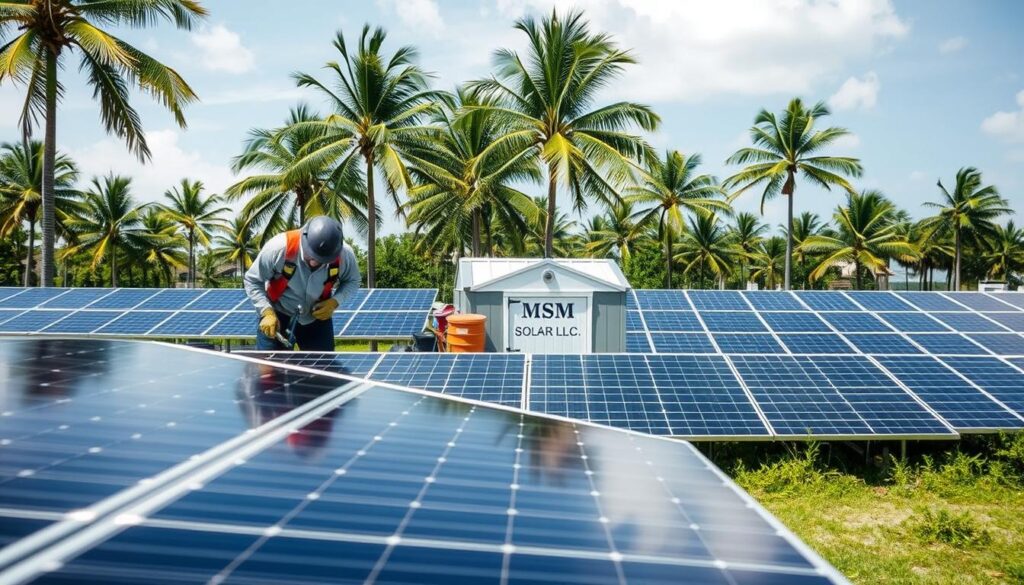
Next, calculate the expected annual savings. Multiply your projected solar production by your current electricity rate (often around $0.12/kWh in the Panhandle). If the system generates 8,000 kWh per year, you could save roughly $960 annually. Over a 25‑year lifespan, that adds up to $24,000 in avoided utility bills, far exceeding the net cost after incentives. The simple payback period—time needed to recoup the investment—often falls between 7 and 10 years, after which the system essentially pays for itself.
Lifestyle Alignment: Does Solar Fit Your Daily Rhythm?
Beyond dollars and cents, solar should complement the way you live. If you work from home, run high‑energy appliances during daylight hours, or have an electric vehicle (EV) that charges primarily when the sun is up, you’ll maximize on‑site generation. Conversely, a household that consumes most electricity at night may see lower self‑consumption rates, though net‑metering policies in Florida still allow you to receive credit for excess daytime production.
Consider future plans as well. If you anticipate moving within the next five years, the resale value boost from a solar system—often estimated at $0.50‑$0.80 per watt—may not fully offset the remaining loan balance. However, many buyers in the Panhandle view solar as an attractive, eco‑friendly feature, potentially shortening market time. Aligning your long‑term homeownership horizon with the solar lifecycle helps answer should i get solar for my home in a personal context.
Environmental Impact: Reducing Your Carbon Footprint
Solar energy is a clean, renewable resource that displaces fossil‑fuel electricity generation. A 6 kW system in the Florida Panhandle can offset roughly 7‑8 metric tons of CO₂ each year—equivalent to planting over 200 trees annually. If environmental stewardship is a core value for your family, that impact can be a decisive factor in the should i get solar for my home equation.
Moreover, adopting solar aligns with broader community goals, such as supporting grid resilience and reducing overall demand spikes during hot summer months. Some local utilities offer community solar programs or grid‑support incentives that reward homeowners for contributing clean energy, further enhancing the ecological payoff.
Incentives & Regulations Specific to the Florida Panhandle
The Panhandle benefits from several state‑level programs that can sweeten the deal. The Florida Solar Energy System Incentives Program (FSEIP) provides additional rebates for residential installations, while many counties offer property tax exemptions for the added value of solar equipment. Net‑metering rules, mandated by the Florida Public Service Commission, require utilities to credit customers at the full retail rate for excess generation, making it easier to balance daytime production with nighttime consumption.
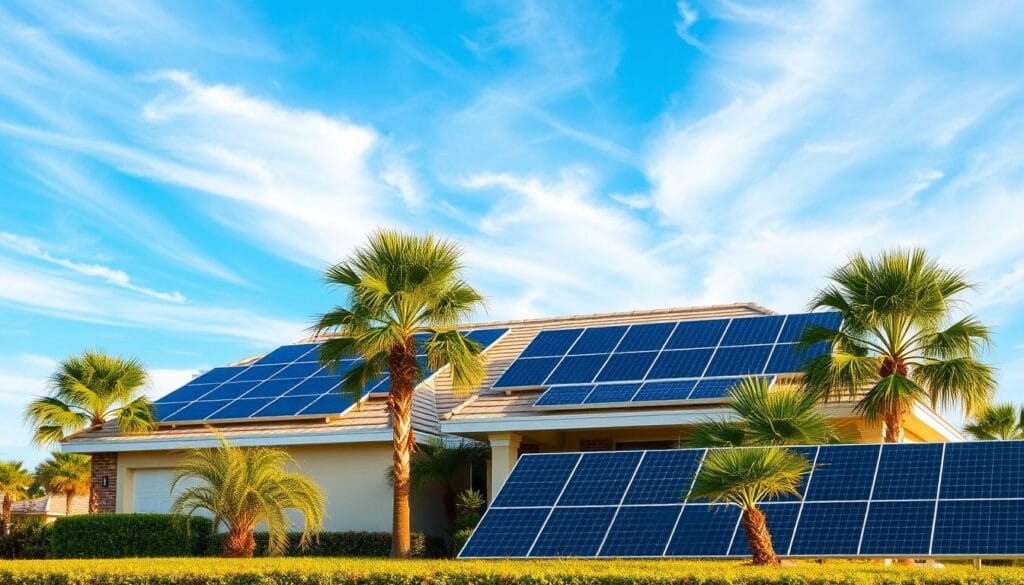
It’s also wise to stay updated on permitting requirements. Most municipalities in the Panhandle have streamlined the solar permit process, but some historic districts may impose aesthetic guidelines. Consulting with a local, reputable installer ensures you meet all code requirements and capture every available incentive, streamlining the path to answering should i get solar for my home.
Decision‑Making Checklist
- Is your roof oriented south, east, or west with minimal shading?
- Does your roof have at least 10‑15 years of remaining lifespan?
- What is your average annual electricity usage (kWh)?
- Can you afford the net cost after incentives, or qualify for financing?
- Do you plan to stay in the home for 7‑10 years or more?
- Will your daily routines align with peak solar production hours?
- Are you motivated by environmental benefits as well as financial savings?
Quick Comparison: Cost vs. Savings Over 25 Years
| Metric | Estimated Value |
|---|---|
| System Size | 6 kW |
| Gross Install Cost | $16,500 |
| Federal ITC (30 %) | -$4,950 |
| State/Local Incentives | -$1,500 |
| Net Out‑of‑Pocket Cost | $10,050 |
| Annual Production | 8,000 kWh |
| Average Electricity Rate | $0.12/kWh |
| Annual Savings | $960 |
| 25‑Year Cumulative Savings | $24,000 |
| Simple Payback Period | ≈10 years |
Frequently Asked Questions About Residential Solar
- Will solar panels damage my roof? Properly installed mounting systems protect the roof and are removable without major damage.
- Can I install solar if I rent? Generally, renters need landlord approval, but many lease programs allow solar on rental properties.
- What happens during a power outage? Standard grid‑tied systems shut down for safety; adding a battery backup enables limited off‑grid operation.
- Do I need to replace my inverter? Inverters typically last 10‑15 years, so budgeting for a future replacement is prudent.
- How does net‑metering work in Florida? Excess energy is credited at the retail rate, rolling over month‑to‑month and offsetting future bills.
Conclusion: Making the Solar Choice That Fits Your Home’s Story
Answering should i get solar for my home isn’t just about numbers; it’s about weaving together your property’s sun exposure, financial comfort, daily habits, and environmental values into a cohesive narrative. By evaluating roof suitability, crunching the cost‑benefit math, considering how solar fits your lifestyle, and leveraging Florida Panhandle incentives, you can decide whether solar becomes a natural chapter in your home’s story or a later addition. Whatever you choose, the process of informed decision‑making ensures that the energy future you build aligns with the life you want to lead.
