



Understanding the Hidden Challenge of Coastal Humidity
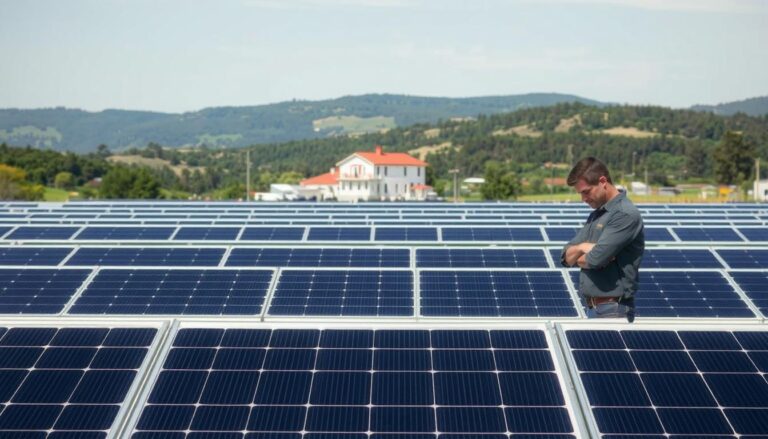
When homeowners on the Gulf Coast decide to install solar panels, they often focus on sunlight availability, roof orientation, and the upfront cost of the system. What receives far less attention is the subtle yet persistent influence of coastal humidity on solar performance. In places like Pensacola Beach, Navarre Beach, and Destin, the salty, moist air does more than just rust metal fasteners; it can gradually degrade the photovoltaic cells themselves. This phenomenon—often described as coastal humidity solar efficiency loss—is a slow‑acting factor that can shave a noticeable percentage off a system’s output after just a few years of exposure. Understanding how humidity interacts with solar technology is essential for anyone looking to maximize long‑term returns on a coastal investment.
Find us here:
Solar Cost Calculator – Florida Panhandle Only
* Estimate based on $3.25 per watt for solar installation.
* For Tesla Powerwall 3 Batteries, $15,000 for the first battery, $12,000 for each additional battery.
* Other variations and types of Batteries are available.
How Humidity Interacts With Photovoltaic Materials
Solar panels are composed of multiple layers, each with a specific function: a protective glass front, an anti‑reflective coating, semiconductor cells, encapsulant sheets, and a backsheet. While the glass and metal frames are designed to resist corrosion, the encapsulant—often made from ethylene‑vinyl acetate (EVA)—is vulnerable to moisture infiltration. When salty air penetrates microscopic imperfections or seams, it can create a thin film of conductive residue on the cell surface. This residue increases the series resistance of the panel, which directly reduces the amount of electricity that can be harvested from sunlight. Over time, the accumulation of these microscopic conductive pathways manifests as a measurable dip in coastal humidity solar efficiency ratios.
Condensation and Thermal Cycling
Coastal regions experience frequent temperature swings between hot, humid days and cooler, damp nights. These cycles cause condensation to form on the back of the panel glass, especially if the panel’s sealing is imperfect. The resulting moisture can seep into the encapsulant, leading to a process known as “delamination,” where the layers start to separate. Delamination not only compromises the panel’s structural integrity but also creates tiny air pockets that scatter incoming light, further lowering the panel’s output. This is a key contributor to the gradual decline in coastal humidity solar efficiency that many homeowners notice only after several years of operation.
The Silent Impact Over Time: Quantifying the Loss
Manufacturers typically rate solar panels under ideal laboratory conditions—dry, clean, and at a standard temperature of 25°C. Real‑world performance, especially in humid coastal environments, can differ dramatically. Studies conducted on panels installed near the Gulf of Mexico show an average annual efficiency loss of 0.5% to 1.0% due solely to humidity‑related degradation. While this figure may appear modest, it compounds year over year. For a 6 kW residential system, a 0.8% annual loss translates to roughly 48 kWh less electricity each year—enough to offset the savings from an entire month’s worth of electricity bills.
Long‑Term Projection Example
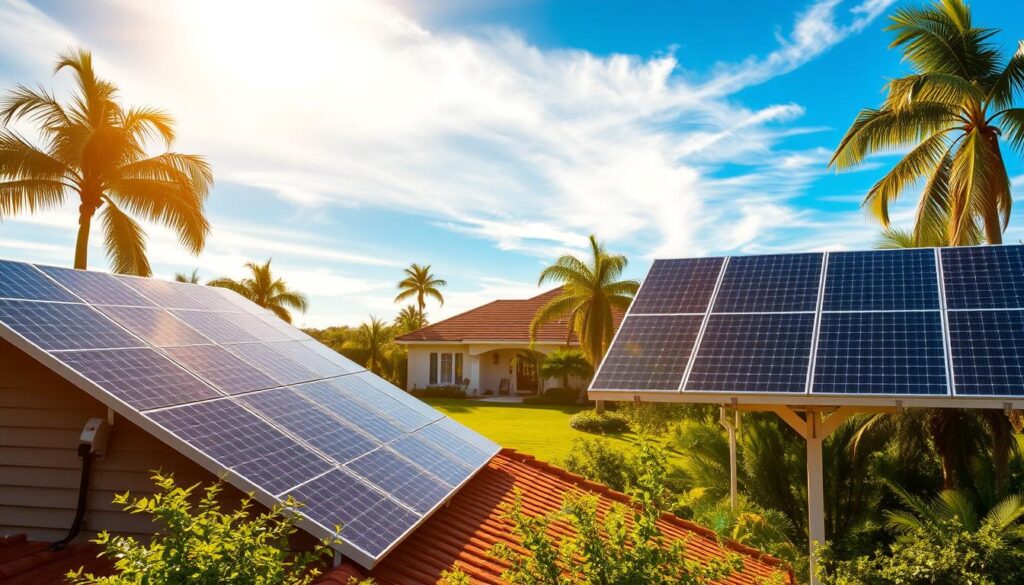
Consider a solar installation that begins with a 20% efficiency rating. If the system loses 0.7% efficiency per year due to coastal humidity, after ten years the panel’s efficiency would be approximately 13.3%, representing a 33% reduction from its original output. This decline is often mistaken for normal panel aging, but in reality, the humidity factor accelerates the wear process. Homeowners who fail to account for this hidden variable may underestimate the size of the system needed to meet their energy goals.
Real‑World Observations in Pensacola Beach, Navarre Beach, and Destin
Local installers and solar owners in the Pensacola Beach area have reported that panels placed within 200 feet of the shoreline tend to exhibit a steeper efficiency decline than those set further inland. In Navarre Beach, the combination of high humidity and frequent sea breezes creates a micro‑climate that can increase moisture ingress by up to 15% compared to inland sites. Destin, known for its crystal‑clear waters, also experiences a unique pattern of morning fog that settles on panels, extending the period during which condensation can affect the encapsulant. These anecdotal observations align with the broader research on coastal humidity solar efficiency loss, underscoring the importance of site‑specific analysis.
Case Study Snapshot
A family in Pensacola Beach installed a 5 kW system in 2018. By 2023, their monitoring software indicated a 12% drop in output, whereas a comparable inland system showed only a 5% drop. The discrepancy was traced back to moisture‑induced corrosion on the junction box and increased series resistance within the panels themselves—classic signs of humidity‑related efficiency loss.
Mitigation Strategies for Homeowners
While the challenges posed by coastal humidity cannot be eliminated entirely, several practical steps can help preserve solar performance and extend the lifespan of a system. The following list outlines proven mitigation tactics that are especially relevant for residents of Pensacola Beach, Navarre Beach, and Destin.
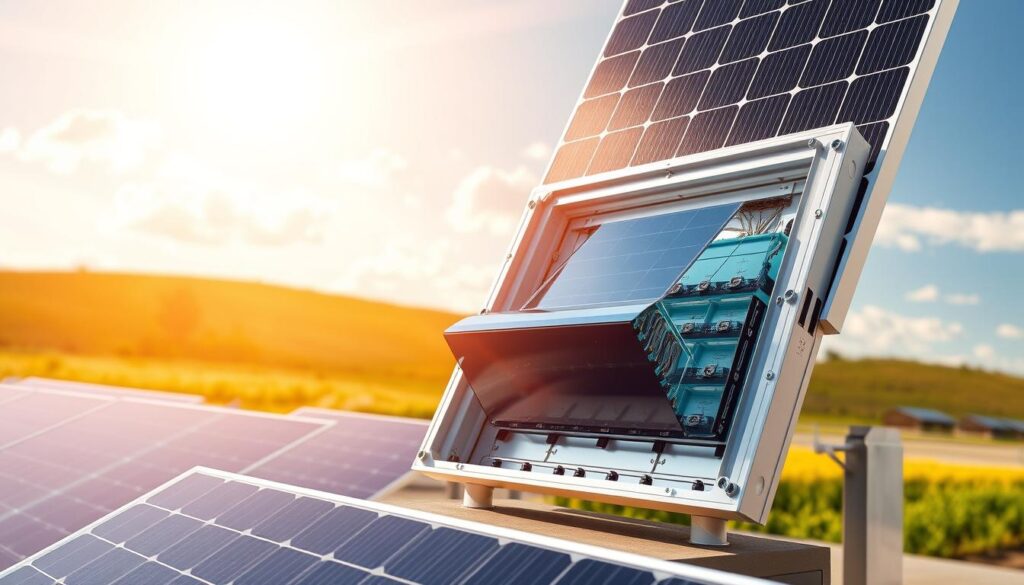
- Choose panels with high‑quality, humidity‑resistant encapsulants and backsheets (e.g., those rated for IEC 61730‑2).
- Install a slight tilt angle (at least 5°) to encourage water runoff and reduce the chance of standing moisture on the glass surface.
- Apply a marine‑grade sealant around all mounting hardware and junction boxes to block salt spray.
- Schedule bi‑annual cleaning to remove salt deposits and organic growth that can trap moisture.
- Invest in a monitoring system that tracks real‑time performance and flags unexpected drops that could signal humidity‑related issues.
Implementing these measures can reduce the annual efficiency loss attributed to humidity by as much as 0.3%, effectively preserving a larger share of the original coastal humidity solar efficiency potential.
Choosing the Right Panels for Coastal Environments
Not all solar panels are created equal when it comes to resisting moisture intrusion. Manufacturers that market “marine‑grade” or “coastal‑ready” modules typically employ thicker glass, enhanced edge sealing, and corrosion‑inhibited frames. When evaluating options, look for the following specifications:
- Glass thickness of at least 3.2 mm (standard is 3.0 mm).
- Encapsulant with a proven water vapor transmission rate (WVTR) below 0.1 g/m²/24 h.
- Backsheet material rated for UV and salt spray resistance, such as fluoropolymer‑based films.
- Junction box with an IP68 rating for water ingress protection.
Selecting panels that meet these criteria can significantly curb the rate of coastal humidity solar efficiency degradation, ensuring that the system remains productive for the full 25‑year warranty period.
Monitoring and Maintenance: Keeping an Eye on Performance
Modern solar inverters and third‑party monitoring platforms provide detailed insights into panel output, temperature, and incident energy. By reviewing this data regularly, homeowners can detect early signs of humidity‑related loss. A sudden dip of more than 2% in a single month, especially after a storm or high‑humidity period, should prompt a visual inspection for condensation, salt buildup, or corrosion.
Maintenance visits from a qualified solar technician should include:
- Inspection of all seals and gaskets for signs of wear.
- Verification that the mounting rails are securely fastened and free of rust.
- Testing of the junction box for moisture intrusion using a moisture meter.
- Cleaning of the glass surface with a non‑abrasive, marine‑safe solution.
These proactive steps help maintain the originally promised coastal humidity solar efficiency rates and can prevent costly panel replacements down the line.
Comparative Table of Expected Efficiency Loss Over Time
| Years of Coastal Exposure | Average Efficiency Loss (%) |
|---|---|
| 0‑2 | 0.5 |
| 3‑5 | 1.5 |
| 6‑10 | 3.0 |
| 11‑15 | 4.5 |
| 16‑20 | 6.0 |
The figures above represent typical annual losses observed in humid coastal locations when standard, non‑marine‑grade panels are used. Selecting panels designed for marine environments can reduce each of these percentages by roughly 30%, illustrating the tangible benefit of proper product selection.
Frequently Asked Questions
Will a higher tilt angle fully solve humidity problems?
A steeper tilt helps water runoff and reduces standing moisture, but it does not eliminate salt spray or condensation that forms behind the glass. It should be combined with other protective measures for the best results.
Can I retrofit existing panels with better seals?
Retrofitting is possible for the mounting hardware and junction box, but sealing the panel edges themselves typically requires a full panel replacement. Consulting a certified installer is recommended.
How often should I clean my panels in a salty environment?
Cleaning twice a year—once after the summer heat and once after the winter storm season—balances performance gains with labor costs. If you notice visible salt crusts, clean sooner.
Conclusion
Coastal humidity is a silent but measurable force that can erode solar panel performance over time, especially in hotspots like Pensacola Beach, Navarre Beach, and Destin. By understanding the mechanisms behind coastal humidity solar efficiency loss, selecting marine‑grade equipment, and committing to regular monitoring and maintenance, homeowners can safeguard their investment and enjoy reliable, clean energy for decades to come.
