



Introduction
Homeowners along the Florida Gulf Coast—whether they live on the bustling streets of Panama City Beach, the quiet dunes of Okaloosa Island, or the scenic stretch of Highway 30A—share a common challenge when it comes to solar power: the need for mounting systems that can survive the region’s unique weather patterns. The salty air, high humidity, and especially the powerful, gust‑laden winds that sweep across the Gulf demand more than a one‑size‑fits‑all approach. This is why the gulf coast solar mounting requirements differ markedly from those in inland or less exposed locations. In this article we’ll explore the environmental forces at play, the engineering principles that guide safe installation, and the practical choices that homeowners and installers can make to protect their investment while maximizing energy production.
Find us here:
Solar Cost Calculator – Florida Panhandle Only
* Estimate based on $3.25 per watt for solar installation.
* For Tesla Powerwall 3 Batteries, $15,000 for the first battery, $12,000 for each additional battery.
* Other variations and types of Batteries are available.
Understanding the Gulf Coast Climate
The Gulf of Mexico exerts a strong influence on the micro‑climate of the adjacent shoreline. Summer brings not only intense sunshine but also the seasonal thunderstorm complexes that can generate wind speeds exceeding 60 mph. Autumn is notorious for tropical storms and hurricanes, which can produce sustained winds of 80 mph or more, along with gusts that peak well above that threshold. Even in the milder months, sea breezes regularly reach 20‑30 mph, creating constant lateral pressure on any structure placed outdoors. This relentless wind exposure is a primary driver behind the specialized gulf coast solar mounting requirements that local building codes and industry best practices now mandate.
Wind Patterns and Their Impact on Solar Arrays
Wind forces act on solar panels in three fundamental ways: direct pressure on the panel surface, suction on the rear side, and uplift on the mounting hardware itself. The combination of these forces can lead to panel deformation, bracket fatigue, or even complete system failure if the mounting system is not engineered for the higher dynamic loads typical of the Gulf Coast. Engineers use a metric called “design wind speed” to calculate the required strength of brackets, rails, and fasteners. For most inland installations, a design wind speed of 90 mph is common, but coastal sites often require ratings of 110 mph or higher to meet the gulf coast solar mounting requirements.
Why Standard Mounting Systems Fall Short
Standard roof‑mount kits sold nationwide are typically engineered for a design wind speed of 90 mph and assume a relatively low exposure factor. On a typical suburban roof in the Midwest, these systems perform well for decades. However, when the same hardware is installed on a home in Okaloosa Island, the increased wind pressure can quickly exceed the bracket’s load capacity, leading to loosening of bolts, cracked rails, or even panel detachment. Moreover, the high salinity of the coastal air accelerates corrosion of steel components, reducing their structural integrity faster than inland installations. This combination of heightened wind forces and corrosive environment is why the gulf coast solar mounting requirements call for corrosion‑resistant materials, reinforced connections, and often a different mounting geometry altogether.
Key Factors in Gulf Coast Solar Mounting Requirements
- Elevated design wind speed (typically 110 mph or greater).
- Use of stainless‑steel or anodized aluminum hardware to resist salt‑induced corrosion.
- Enhanced fastening methods, such as structural screws with neoprene washers, to prevent loosening under cyclic loading.
- Adjustable tilt mechanisms that allow panels to be positioned for optimal wind shedding.
- Compliance with local building codes, which may mandate wind‑uplift calculations and third‑party engineering sign‑off.
Addressing each of these factors ensures that a solar installation not only survives the harsh Gulf environment but also continues to generate electricity efficiently over its 25‑ to 30‑year lifespan. Ignoring any one of these considerations can lead to premature system degradation, costly repairs, or even safety hazards during extreme weather events.
Mounting Options Overview
Fixed‑Tilt Roof‑Mount Systems
Fixed‑tilt systems are the most common residential solution because of their simplicity and lower cost. For Gulf Coast homes, a fixed‑tilt design must incorporate reinforced brackets and a higher‑grade fastener set. The tilt angle is usually set between 20° and 30° to balance optimal solar exposure with wind resistance. While these systems meet the basic gulf coast solar mounting requirements, they lack the ability to adjust during storm season, which can increase wind load on the panels.
Adjustable‑Tilt Roof‑Mount Systems
Adjustable‑tilt racks allow homeowners to change the panel angle several times per year. During hurricane season, the panels can be set to a flatter position, reducing the surface area exposed to wind and thereby lowering uplift forces. These systems typically use heavy‑duty hinges and lockable pins made from marine‑grade aluminum, directly addressing the gulf coast solar mounting requirements for wind adaptability and corrosion resistance.
Ground‑Mount and Pole‑Mount Solutions
For properties with ample land or for commercial‑scale projects, ground‑mount arrays provide greater flexibility in orientation and spacing. Ground‑mounts can be engineered with deeper concrete foundations and larger base plates, offering superior resistance to uplift. Pole‑mounts, often used for small‑scale residential installations on uneven terrain, can be equipped with guy‑wires and wind‑brakes to meet the stringent gulf coast solar mounting requirements. However, these solutions generally involve higher upfront costs and more extensive permitting processes.
| Mounting Type | Wind Rating (mph) | Corrosion‑Resistant Materials | Cost Relative to Fixed‑Tilt |
|---|---|---|---|
| Fixed‑Tilt Roof | 110 | Stainless‑steel fasteners | Baseline |
| Adjustable‑Tilt Roof | 110‑130 | Marine‑grade aluminum | +15‑25% |
| Ground‑Mount | 130‑150 | Galvanized steel, epoxy‑coated | +30‑45% |
Designing for Wind Load
Engineering a solar array to withstand Gulf‑coast winds begins with a thorough site‑specific wind analysis. Installers use the American Society of Civil Engineers (ASCE) 7 standard to calculate the design wind pressure based on roof height, exposure category, and local wind speed maps. Once the pressure is known, the required bracket strength, bolt size, and fastener spacing can be determined. In practice, this means selecting brackets rated at least 1.5 times the calculated load and using lag bolts with a minimum embedment depth of 1 ½ inches into structural members. Adding a secondary safety strap—often a stainless‑steel cable tied to the roof truss—provides an extra line of defense against uplift, a practice increasingly required by local jurisdictions to satisfy the gulf coast solar mounting requirements.
Corrosion Resistance and Material Choice
The salty, humid environment of the Gulf accelerates the oxidation of metals, especially when moisture condenses on the back of solar panels. To combat this, many installers specify hardware fabricated from 316‑grade stainless steel, which contains molybdenum for enhanced resistance to chlorides. Anodized aluminum rail systems are another popular option; the anodic layer forms a hard, protective coating that can last for decades without peeling. For fasteners, using self‑drilling, stainless‑steel screws with neoprene washers helps seal the penetration point, preventing water ingress that could lead to rust and structural weakening. By selecting these corrosion‑resistant components, the installation aligns with the gulf coast solar mounting requirements and reduces long‑term maintenance costs.
Code and Permit Considerations
Every county along the Gulf—Escambia, Santa Rosa, Okaloosa, and Walton—has adopted building codes that reference the International Building Code (IBC) and the National Electrical Code (NEC). However, local amendments often raise the minimum design wind speed and mandate third‑party structural verification for solar installations. Homeowners should expect to submit detailed engineering drawings, wind‑load calculations, and material specifications as part of the permit application. Failure to adhere to these local rules not only jeopardizes the safety of the system but can also void warranties and insurance coverage. In short, complying with the gulf coast solar mounting requirements is as much a regulatory matter as it is an engineering one.
Maintenance Strategies for Coastal Installations
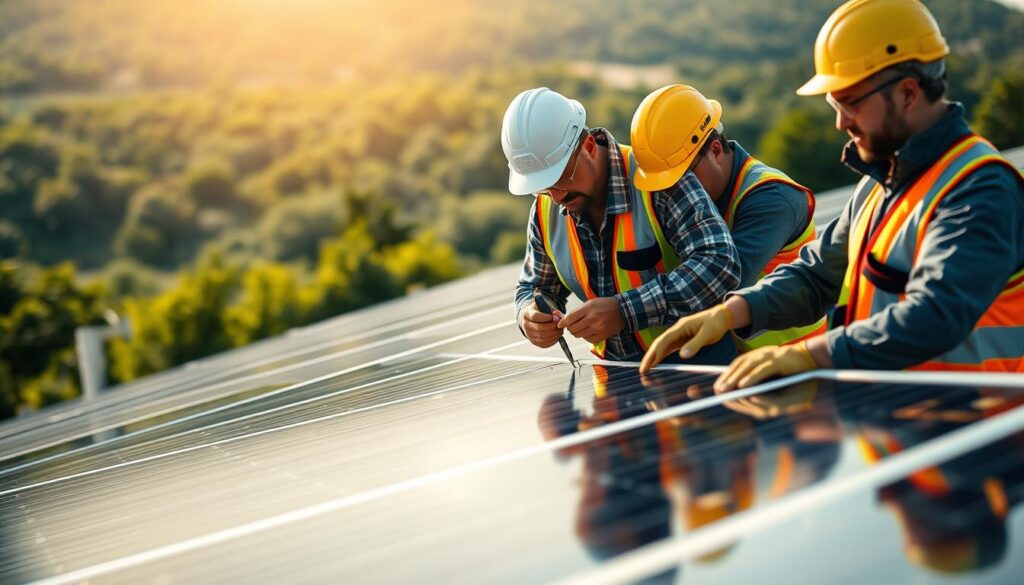
Even the most robust mounting system benefits from regular inspection, especially after severe weather events. A practical maintenance schedule includes visual checks for loose bolts, corrosion buildup, and any signs of panel misalignment. Cleaning the panel surface with fresh water and a soft brush helps remove salt deposits that can cause hot‑spot heating. Additionally, applying a marine‑grade protective coating to exposed metal components every five to seven years can extend their service life. By integrating these routine tasks, homeowners ensure that their solar array continues to meet the gulf coast solar mounting requirements throughout its operational life.
Cost Implications and Return on Investment
Specialized mounting hardware and engineering services do increase the upfront cost of a Gulf Coast solar project. On average, homeowners can expect a 10‑20 % price premium compared to a standard inland installation. However, this additional investment pays off by reducing the likelihood of costly repairs after a storm, preserving system efficiency, and extending the overall lifespan of the array. Moreover, many Florida utilities offer higher net‑metering rates for systems that meet local durability standards, effectively improving the return on investment. When viewed through the lens of long‑term performance and risk mitigation, adhering to the gulf coast solar mounting requirements is a financially sound decision.
In conclusion, solar owners along Panama City Beach, Okaloosa Island, and the scenic Highway 30A corridor must approach mounting design with a coastal mindset. By accounting for higher wind loads, selecting corrosion‑resistant materials, complying with local codes, and committing to regular maintenance, they can enjoy reliable, clean energy for decades while protecting their homes from the unique challenges of the Gulf environment.
