



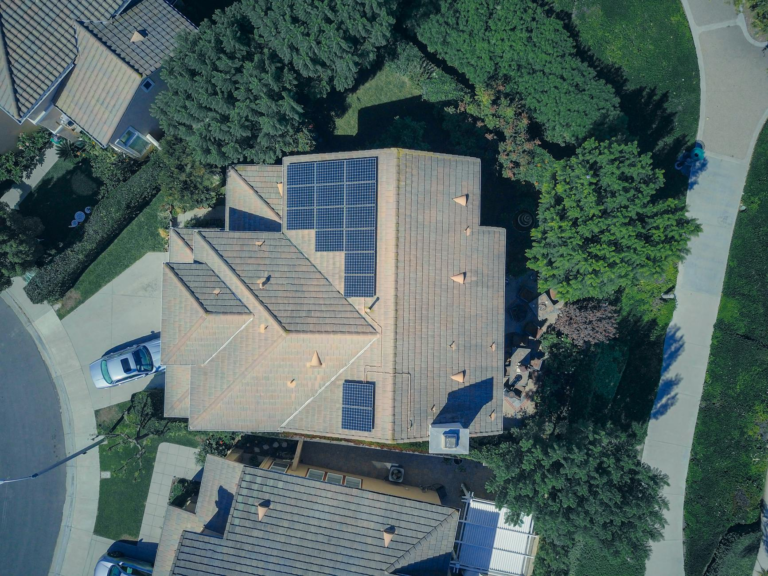
When homeowners in the Florida Panhandle consider installing solar panels, they often focus on system size, cost, and incentives. Yet one factor silently dictates how much energy they actually capture: the direction their roof faces. Understanding the link between roof orientation and solar value can turn a modest installation into a powerhouse that pays for itself faster. In this guide we’ll explore how roof orientation solar value influences performance, especially for homes in Tallahassee, Lynn Haven, and Milton.
Find us here:
Solar Cost Calculator – Florida Panhandle Only
* Estimate based on $3.25 per watt for solar installation.
* For Tesla Powerwall 3 Batteries, $15,000 for the first battery, $12,000 for each additional battery.
* Other variations and types of Batteries are available.
Why Roof Orientation Is a Game Changer
The sun’s path across the sky isn’t static; it shifts with the seasons and latitude. A roof that points toward the sun for the longest portion of the day maximizes exposure, boosting the roof orientation solar value of any photovoltaic (PV) system. Even a slight tilt or a shift from a true south‑facing slope to a southeast or southwest direction can change annual energy production by 10‑30 %.

Sunlight Hours vs. Panel Output
Solar panels convert sunlight into electricity at a rate measured in watts per square meter. The more direct sunlight they receive, the higher their output. Roof orientation determines how many hours of peak‑sunlight the panels enjoy each day, which directly translates into the roof orientation solar value—the monetary worth of that extra energy.
Latitude, Tilt, and Seasonal Shifts
Florida sits around 30° N latitude, meaning the sun is relatively high in the sky year‑round. However, during winter months the sun arcs lower, favoring panels that tilt slightly toward the equator. A roof’s pitch (the angle of the slope) works hand‑in‑hand with orientation to capture this seasonal variance. Ignoring these nuances can shave off thousands of dollars from a system’s return on investment.
Regional Spotlight: Tallahassee, Lynn Haven, and Milton
Although these three cities share a similar climate—hot summers, mild winters—their micro‑climates and typical roof designs differ enough to affect solar performance. Let’s break down the specific impact of roof orientation on solar value in each area.
Tallahassee: The Capital’s Sunniest Spots
In Tallahassee, many homes feature steep gable roofs that face east or west. While these orientations capture morning or evening sun, they miss the midday peak that delivers the highest wattage. Shifting panels to a true south‑facing slope can increase the roof orientation solar value by roughly 20 % compared to an east‑facing setup, according to local installers.
Lynn Haven: Coastal Influences
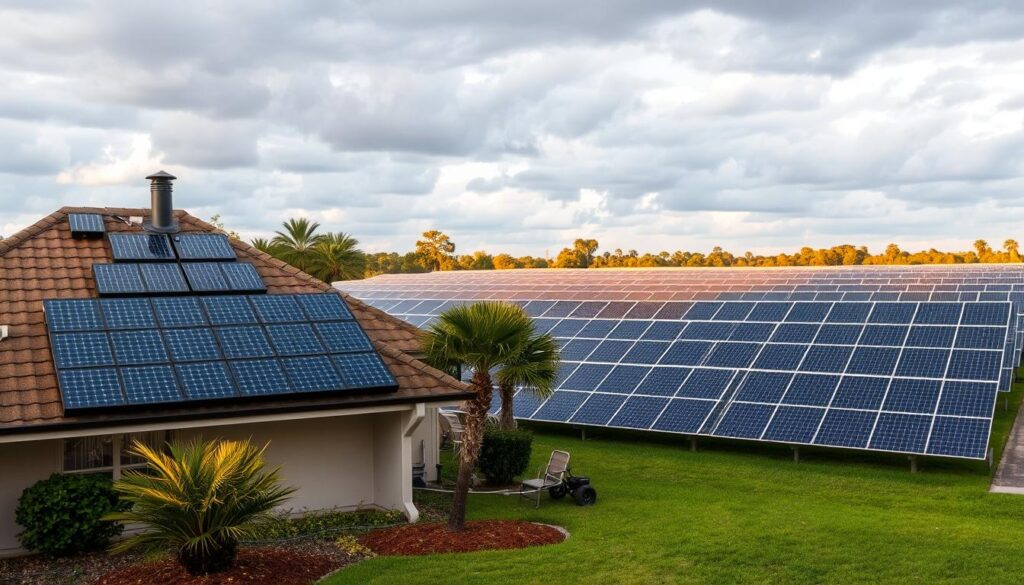
Coastal homes in Lynn Haven often have low‑pitch roofs to combat wind loads. These flatter roofs tend to be oriented toward the south, which is ideal for capturing the sun’s trajectory. However, the presence of nearby trees and salt‑air corrosion can affect panel efficiency. Even with a favorable south orientation, slight adjustments—like using micro‑inverters to mitigate shading—can enhance the roof orientation solar value.
Milton: Suburban Sprawl and Roof Variety
Milton’s growing suburbs showcase a mix of ranch‑style homes with low‑slope roofs and newer builds with modern, south‑facing designs. For the ranch homes, re‑mounting panels on a south‑oriented extension or a ground‑mount system can dramatically improve the roof orientation solar value, often delivering an extra 1,200 kWh annually.
Common Misconceptions About Roof Orientation
- “Any roof will work as long as the panels are installed.” – Not true; orientation can change output by up to 30 %.
- “East‑facing roofs are just as good as south‑facing roofs.” – East panels capture morning sun, which is less intense than midday sun.
- “Flat roofs can’t be optimal.” – With the right tilt and mounting hardware, flat roofs can achieve excellent performance.
Dispelling these myths helps homeowners make informed decisions that maximize the roof orientation solar value of their investment.
Calculating Potential Savings Based on Orientation
To illustrate the financial impact, we’ve compiled a simple comparison of annual energy production for three typical roof orientations in the Panhandle. The numbers assume a 5 kW system, average panel efficiency, and local solar irradiance data.
| Roof Orientation | Annual Production (kWh) | Estimated Savings (USD) |
|---|---|---|
| South (optimal) | 8,200 | $1,230 |
| East/West | 6,700 | $1,005 |
| North (non‑ideal) | 3,900 | $585 |
Notice how the south‑facing roof delivers roughly $225 more in savings than an east‑ or west‑facing roof. Those dollars add up over the 25‑year lifespan of a system, reinforcing why the roof orientation solar value matters.
Practical Tips for Homeowners
- Conduct a sun‑path analysis using tools like Google’s Project Sunroof or a professional solar site survey.
- If your roof isn’t south‑facing, consider a ground‑mount or a tilted rack to re‑orient panels.
- Trim or remove shading trees that block the sun during peak hours.
- Choose micro‑inverters or power optimizers to mitigate partial shading effects.
- Check local building codes for wind‑load requirements, especially in coastal Lynn Haven.
These steps help you capture the highest possible roof orientation solar value without major structural changes.
Selecting the Right Solar Installer
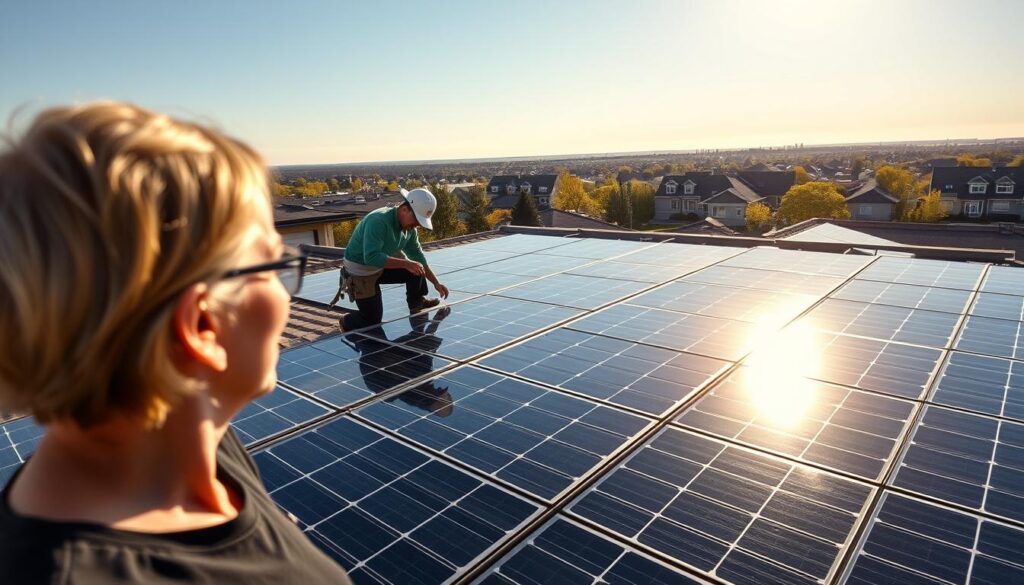
Not all installers prioritize roof orientation in their design proposals. Look for companies that provide a detailed shading analysis, orientation assessment, and a production estimate that references the roof orientation solar value. A transparent quote will break down expected output based on your roof’s direction, pitch, and local weather patterns.
Ask potential installers for case studies from Tallahassee, Lynn Haven, or Milton—areas with similar roof styles and sun exposure. Their experience with local architecture will ensure they recommend the most effective mounting solutions.
Conclusion
Roof orientation isn’t just a technical detail; it’s a core driver of the solar value you’ll receive from your investment. By understanding how direction, tilt, and local climate intersect, homeowners in Tallahassee, Lynn Haven, and Milton can optimize their systems for maximum energy production and savings. Take the time to assess your roof’s orientation, explore mounting alternatives, and partner with an installer who respects the importance of the roof orientation solar value. The result is a cleaner, more affordable energy future for your home.
