



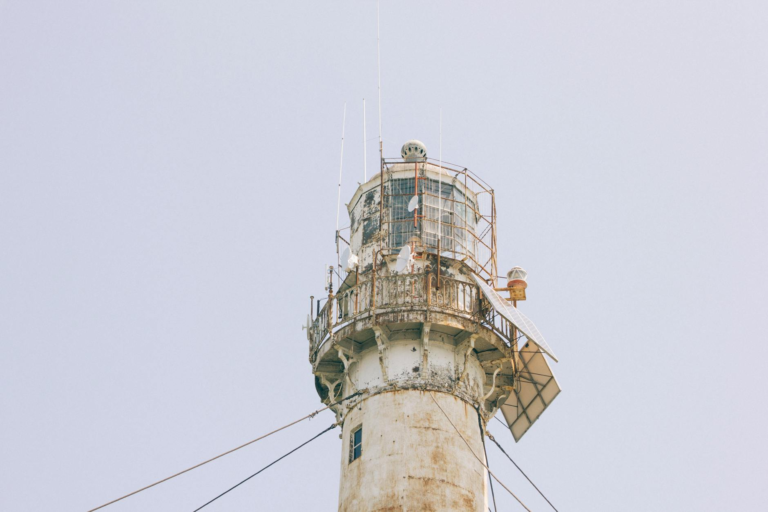
Understanding the Unique Challenges for Solar Installations Near Open Water
Homeowners who enjoy the view of Pensacola Beach, the bustle of Destin Harbor, or the calm of Port St. Joe often wonder why their solar arrays seem to age faster than those in inland neighborhoods. The answer lies in a combination of environmental stressors that are directly tied to the proximity of the water. When salty breezes, higher humidity, and rapid temperature swings meet solar hardware, the result is a distinct pattern of wear that can shorten the useful life of panels, inverters, mounting rails, and even wiring. This article explores the science behind solar wear coastal proximity, highlights the specific mechanisms that accelerate degradation, and offers practical steps to protect your investment while still reaping the benefits of clean energy.
Find us here:
Solar Cost Calculator – Florida Panhandle Only
* Estimate based on $3.25 per watt for solar installation.
* For Tesla Powerwall 3 Batteries, $15,000 for the first battery, $12,000 for each additional battery.
* Other variations and types of Batteries are available.
How Salt‑Enriched Air Accelerates Corrosion
Salt particles carried by the wind settle on every surface they encounter, and solar panels are no exception. When salt crystals dissolve in the thin film of moisture that naturally forms on a panel’s glass, they create an electrolyte that promotes electrochemical reactions. Over time, these reactions corrode metal contacts, frame brackets, and the conductive pathways inside inverters. Even the anodized aluminum frames that manufacturers tout as “corrosion‑resistant” can develop pitting when exposed to persistent salty mist. This phenomenon is a primary driver of solar wear coastal proximity, and it explains why panels installed just a few hundred feet from the shoreline often require earlier replacement of mounting hardware.
Temperature Fluctuations and Thermal Cycling
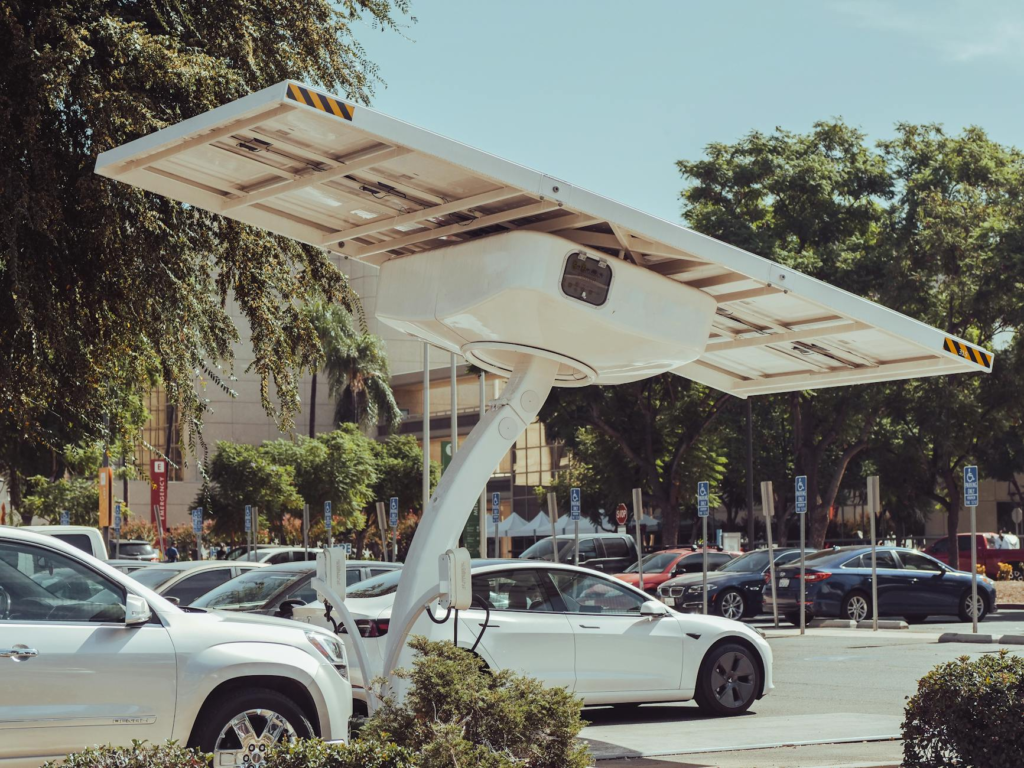
Coastal areas experience rapid shifts between warm, sunny days and cool, breezy evenings. Each shift forces solar cells and their supporting structures to expand and contract—a process known as thermal cycling. While all solar panels are engineered to tolerate temperature changes, the amplitude of coastal cycles can be greater, especially when sea breezes bring cooler air to a heated roof surface. Repeated expansion and contraction stresses the solder joints that connect cells, eventually leading to micro‑cracks that reduce electrical output. This additional stress contributes to the broader pattern of solar wear coastal proximity that homeowners notice as a gradual dip in performance.
Humidity, Moisture Intrusion, and Electrical Degradation
High humidity near the Gulf of Mexico means that moisture can infiltrate even the most sealed components. Inverters, which convert DC power from panels to usable AC electricity, contain delicate electronic boards that are particularly vulnerable to moisture ingress. When humidity condenses inside an inverter enclosure, it can cause corrosion on printed circuit board traces, leading to intermittent faults or complete failure. Similarly, the junction boxes that house bypass diodes can develop water‑logged seals, compromising their protective function. These moisture‑related issues are another facet of solar wear coastal proximity that can be mitigated with proper sealing and regular inspections.
Wind, Sand, and Physical Abrasion
Coastal winds often carry fine sand particles that act like natural sandblasters. When these particles strike the glass surface of a panel, they can cause microscopic scratches that reduce the panel’s ability to transmit light. Over years, the cumulative effect of sand abrasion can lower a system’s overall efficiency by several percentage points. Moreover, strong gusts can loosen mounting bolts if they are not torqued to the specifications required for a marine environment. This mechanical wear is an often‑overlooked contributor to solar wear coastal proximity, especially for homes located on dunes or elevated beachfront properties.
Best Practices for Reducing Coastal Solar Wear
- Choose panels with a high salt‑fog rating (typically “Marine Grade” or “Coastal Certified”).
- Opt for stainless‑steel or anodized aluminum mounting hardware designed for marine use.
- Apply anti‑corrosion coatings to all exposed metal components, especially fasteners and brackets.
- Install a protective over‑hang or roof‑integrated flashing to shield junction boxes from direct spray.
- Schedule semi‑annual visual inspections after major storms to identify early signs of corrosion or sand abrasion.
- Use inverter models with sealed, IP‑rated enclosures that meet at least IP65 standards.
Implementing these strategies can significantly extend the lifespan of a solar system in a salty environment. While the upfront cost may be higher, the reduction in replacement and repair expenses often justifies the investment within the first few years of operation.
Comparative Longevity Data for Coastal vs. Inland Installations
| Location Type | Average Panel Lifespan (Years) | Typical Maintenance Frequency |
|---|---|---|
| Inland (≤50 mi from water) | 30‑35 | Every 5‑7 years |
| Coastal (≤5 mi from open water) | 22‑27 | Every 3‑4 years |
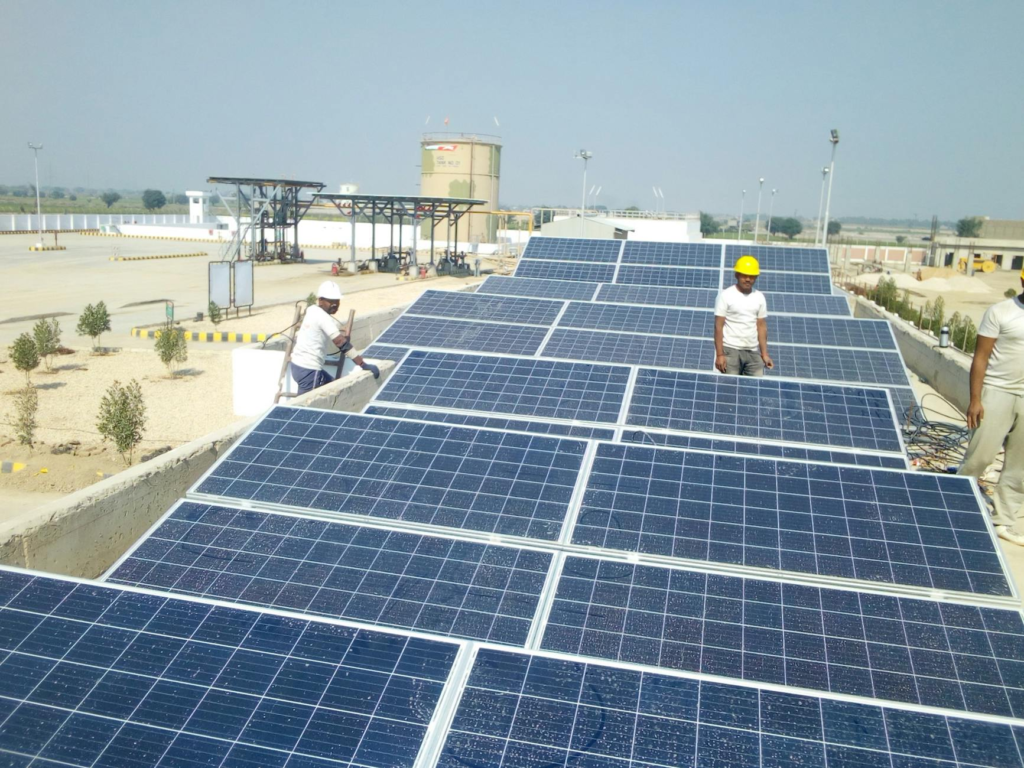
The table above illustrates the measurable impact of solar wear coastal proximity on panel longevity. While manufacturers often quote a 25‑30‑year warranty, real‑world performance data from Gulf Coast installations show a reduction of roughly 20‑30 % in expected service life. This difference underscores the importance of proactive maintenance and the selection of marine‑grade components.
Choosing the Right Equipment for a Beachside Home
When evaluating solar options for a property near Pensacola Beach or Destin Harbor, prioritize products that have been tested under ASTM B117 salt‑fog conditions. Panels with a certified “Marine Grade” label have demonstrated resistance to corrosion and maintain higher performance after exposure to salty environments. In addition, consider micro‑inverters or power optimizers that place the conversion electronics on the panel itself, reducing the length of exposed DC wiring that could suffer from moisture‑related degradation. Finally, work with an installer who understands the nuances of coastal installations and can tailor the mounting system to resist wind uplift and sand erosion.
Long‑Term Monitoring and Early Detection
Modern solar monitoring platforms provide real‑time data on panel output, temperature, and voltage. By establishing a baseline performance profile during the first year, homeowners can quickly spot deviations that may signal corrosion, shading, or micro‑cracking. Early detection allows for targeted cleaning, seal replacement, or component swaps before a minor issue becomes a costly system failure. This data‑driven approach is especially valuable for mitigating solar wear coastal proximity because it turns a reactive maintenance model into a proactive one.
Financial Implications of Accelerated Wear
Accelerated equipment wear translates directly into reduced return on investment (ROI). A homeowner who assumes a 30‑year panel lifespan but experiences a 25‑year effective life due to coastal factors will see a lower net present value (NPV) from their solar system. However, by factoring in the additional costs of marine‑grade components, more frequent maintenance, and a robust monitoring plan, the ROI gap can be narrowed. Many financing programs now offer higher incentives for resilient, low‑maintenance installations, helping to offset the upfront expense of corrosion‑resistant hardware.
Case Study: A Family Home in Port St. Joe
John and Maria purchased a beachfront property in Port St. Joe and installed a 7 kW solar system in 2018. After four years, they noticed a 12 % drop in output compared to the system’s initial performance. An inspection revealed salt‑induced corrosion on the inverter’s internal connectors and micro‑cracks on several panels caused by sand abrasion. By replacing the inverter with a marine‑rated unit and adding a protective over‑hang to shield the panels from direct spray, they restored 85 % of the lost efficiency. Their experience highlights how awareness of solar wear coastal proximity can guide timely upgrades that preserve system performance.
Future Technologies Aiming to Reduce Coastal Wear
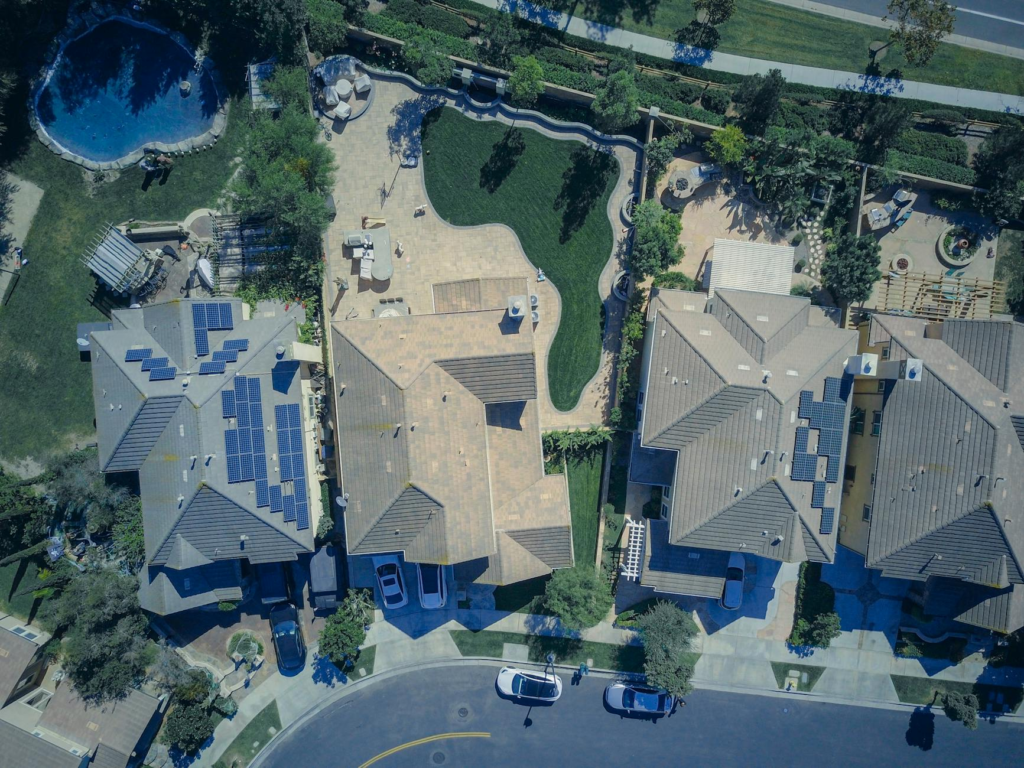
Researchers are developing anti‑reflective coatings infused with nano‑silica that repel salt particles and reduce water adhesion. Another promising avenue is the use of bifacial panels with protective back‑sheet materials that can endure higher humidity without delamination. As these innovations move from the lab to commercial availability, homeowners near open water will have more options to combat the unique degradation pathways associated with coastal environments.
In summary, the combination of salty air, temperature swings, humidity, wind, and sand creates a perfect storm for solar wear coastal proximity. By selecting marine‑grade equipment, implementing a disciplined maintenance schedule, and leveraging real‑time monitoring, property owners can dramatically extend the life of their solar investments while continuing to enjoy the natural beauty of the Gulf Coast.
By understanding the specific challenges posed by coastal proximity and taking proactive steps, you can ensure that your solar system remains a reliable, long‑lasting source of clean energy for years to come.
