




Why Energy Usage Patterns Matter More Than Home Size for Solar
When homeowners in Milton, Bonifay, and Chipley start thinking about solar, the first question that often comes up is “How big does my roof need to be?” While roof area is certainly a factor, the real driver of a successful solar system is how the household uses electricity. In other words, energy usage solar planning homeowners should focus on patterns of consumption rather than square footage alone. Understanding this shift in perspective can lead to better sizing, higher savings, and smoother installations.
Find us here:
Solar Cost Calculator – Florida Panhandle Only
* Estimate based on $3.25 per watt for solar installation.
* For Tesla Powerwall 3 Batteries, $15,000 for the first battery, $12,000 for each additional battery.
* Other variations and types of Batteries are available.
Understanding Energy Usage vs. Square Footage
It’s easy to assume that a larger home automatically requires a larger solar array. After all, bigger homes often have more lighting fixtures, appliances, and climate‑control needs. However, research across the Florida Panhandle shows that two houses of identical size can have dramatically different electricity bills because of how occupants behave. A family that runs multiple high‑efficiency appliances, programs thermostats, and takes advantage of daylight can consume far less power than a smaller house where lights stay on all night and older equipment is used.
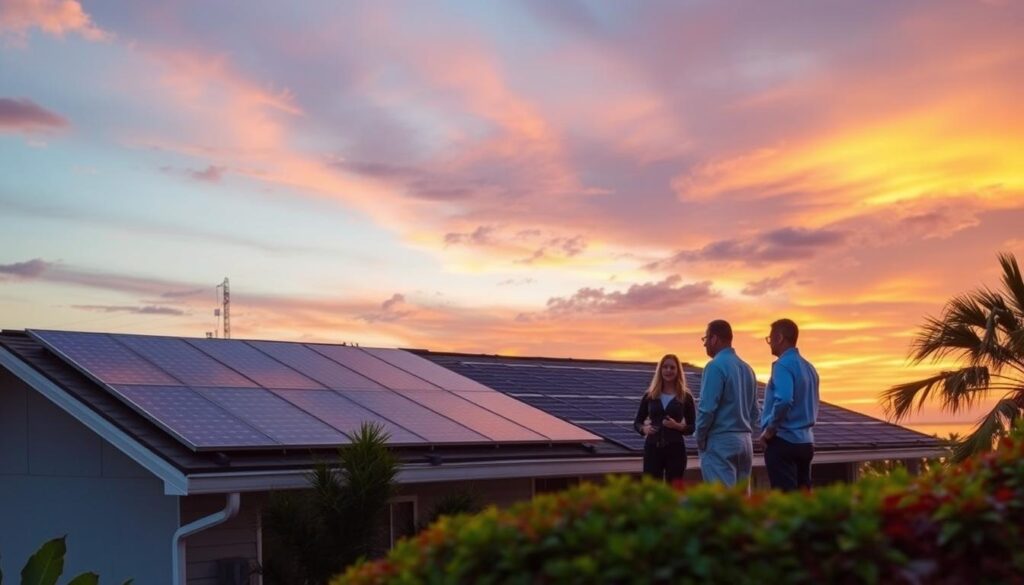
Solar designers use a metric called “daily average kWh” to estimate how much energy a system should generate. This figure comes directly from a homeowner’s historical utility data, not from the number of rooms or the square footage. When energy usage solar planning homeowners prioritize real consumption data, they avoid over‑ or under‑sizing the system, which can affect both the upfront cost and the long‑term return on investment.
How Homeowners’ Daily Habits Shape Solar Needs
Every habit in a home creates a ripple effect on the solar equation. Consider these common behaviors:
- Leaving televisions or computers in standby mode for hours.
- Running the dishwasher or washing machine during peak evening hours.
- Setting thermostats to extreme temperatures in summer and winter.
- Using electric space heaters or air conditioners in rooms that aren’t occupied.
When such habits are identified and adjusted, the overall energy demand drops, meaning a smaller, more cost‑effective solar array can meet the household’s needs. Conversely, ignoring these patterns can lead to a larger system that never reaches its projected output, reducing the payback speed.
Real‑World Examples from Milton, Bonifay, and Chipley
Three neighboring towns illustrate the point perfectly. In Milton, a 2,800‑square‑foot home with a disciplined energy‑saving routine uses about 800 kWh per month, while a 2,300‑square‑foot home with lax habits consumes over 1,200 kWh. In Bonifay, a newly built 3,100‑square‑foot house with smart thermostats and LED lighting recorded a 30 % lower usage than an older 2,900‑square‑foot property that still relied on incandescent bulbs and a programmable thermostat set to “comfort” mode 24/7. Chipley’s data shows that a 2,600‑square‑foot home that installed a home‑energy monitor reduced its monthly draw by 15 % after occupants began turning off unused outlets.
These cases prove that energy usage solar planning homeowners must examine behavior first. The differences in consumption directly influence the size and cost of the solar array needed to offset the bill.
Key Factors to Assess in Energy Usage Solar Planning Homeowners
- Historical utility bills (at least 12 months for seasonality).
- Appliance age and efficiency ratings.
- Thermostat set‑points and schedule programming.
- Lighting type (LED vs. incandescent).
- Presence of energy‑monitoring devices.
Common Misconceptions About Home Size
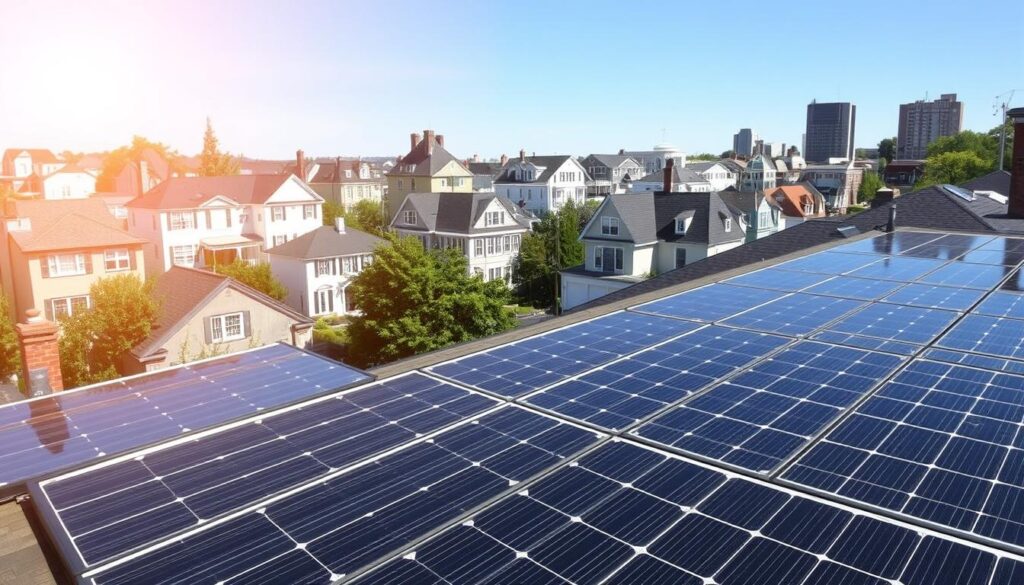
Many homeowners believe that a larger roof guarantees a better solar return. While a bigger roof provides more real estate for panels, it does not automatically translate to higher savings if the house’s energy usage is low. In fact, installing an oversized system on a low‑usage home can lead to excess production that the grid cannot absorb, resulting in lower net‑metering credits.
On the flip side, a smaller roof does not preclude a successful solar project. By tightening energy habits, energy usage solar planning homeowners can match the output of a modestly sized array to their actual needs, achieving a near‑zero net electricity bill without the need for a massive installation.
Tools and Strategies for Accurate Energy Usage Assessment
Modern technology makes it easier than ever to quantify household consumption. Smart meters provide real‑time data, while home‑energy monitors (like Sense or Emporia) break down usage by circuit. Utility companies often offer online portals with detailed usage graphs, which can be exported for analysis. When energy usage solar planning homeowners combine these tools with a simple spreadsheet, they can pinpoint the exact kilowatt‑hours that need to be offset.
Sample Monthly Energy Consumption vs. Solar Production
| Month | Avg kWh Consumption | Estimated Solar Production (kWh) |
|---|---|---|
| January | 950 | 1,050 |
| February | 870 | 1,020 |
| March | 820 | 1,200 |
| April | 770 | 1,350 |
| May | 720 | 1,500 |
| June | 700 | 1,600 |
| July | 730 | 1,580 |
| August | 750 | 1,540 |
| September | 800 | 1,380 |
| October | 850 | 1,250 |
| November | 910 | 1,080 |
| December | 970 | 1,030 |
The table above illustrates a typical suburban home that has adjusted its habits to stay around 800‑900 kWh per month. A well‑designed 5 kW solar system can comfortably meet, and often exceed, that demand, especially during the sunny months of April through September.
Steps to Optimize Energy Usage Before Installing Solar
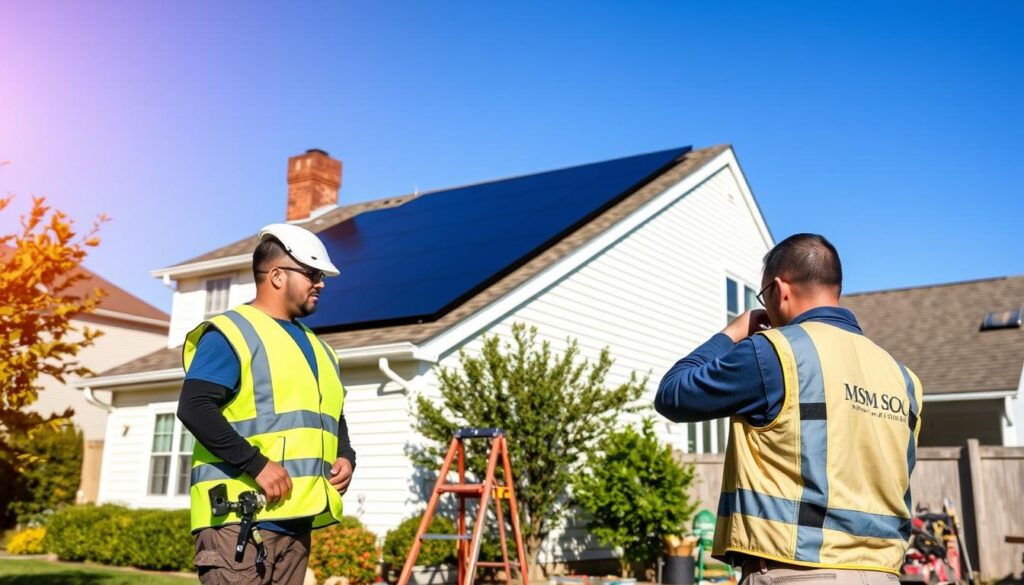
- Conduct an energy audit: Use a professional or DIY checklist to identify major energy drains.
- Upgrade to LED lighting: LEDs use up to 80 % less electricity than incandescent bulbs.
- Replace old appliances: Look for ENERGY STAR® rated models, especially for refrigerators, washers, and dryers.
- Install programmable thermostats: Set heating and cooling to match occupancy patterns.
- Seal air leaks: Weatherstripping doors and windows reduces HVAC load.
- Use power strips: Turn off entire strips for home offices or entertainment centers when not in use.
- Monitor daily usage: Review smart‑meter data weekly to catch unexpected spikes.
By implementing these measures, energy usage solar planning homeowners can often shave 10‑30 % off their monthly bills before the solar system even comes online. The result is a smaller, less expensive array that still delivers full energy independence.
Benefits of Focusing on Usage Over Size
Prioritizing consumption patterns yields several tangible advantages:
- Cost Efficiency: Smaller systems require fewer panels, less mounting hardware, and lower labor costs.
- Faster Payback: When the system is sized to actual usage, the offset percentage is higher from day one.
- Grid Compatibility: Matching production to demand reduces excess feed‑in that can be curtailed by utilities.
- Future Flexibility: As habits evolve, it’s easier to add capacity later than to downsize an oversized array.
In the communities of Milton, Bonifay, and Chipley, installers who start conversations with “What does your energy usage look like?” consistently report higher customer satisfaction and smoother project timelines.
Conclusion
For homeowners eyeing solar, the mantra should be simple: understand your energy habits before you measure your roof. By placing energy usage solar planning homeowners at the center of the conversation, you ensure that the system you install is the right size, the right price, and the right fit for your daily life. Whether you live in Milton, Bonifay, Chipley, or anywhere else, let your usage patterns guide the solar journey, not just the square footage of your home.
