



Introduction
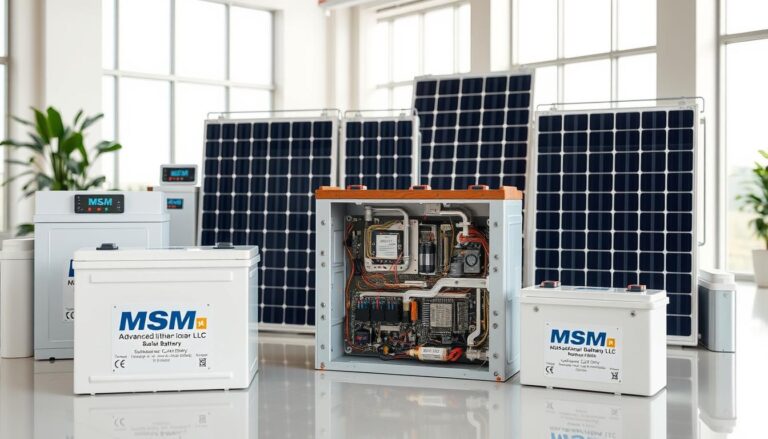
The Florida Panhandle is a region where sunshine is abundant, yet the decision to install solar panels is not driven by sunlight alone. Homeowners and businesses weigh a complex set of factors, and among the most critical is how reliably the local electric grid delivers power. When the grid experiences frequent outages or prolonged restoration times, the value proposition of solar changes dramatically. In coastal towns such as Navarre Beach, the salty sea air and hurricane exposure can strain infrastructure, while inland cities like Crestview and Tallahassee often benefit from more stable transmission lines. Understanding the nuances of grid reliability helps consumers predict the performance of a solar system, calculate potential savings, and decide whether the investment aligns with their long‑term energy goals. This article explores the ways that grid reliability influences solar adoption across the Florida Panhandle, providing data‑backed insights and practical guidance for anyone considering the switch to clean energy.
Find us here:
Solar Cost Calculator – Florida Panhandle Only
* Estimate based on $3.25 per watt for solar installation.
* For Tesla Powerwall 3 Batteries, $15,000 for the first battery, $12,000 for each additional battery.
* Other variations and types of Batteries are available.
What Is Grid Reliability?
Grid reliability refers to the ability of the electric utility network to deliver continuous, high‑quality power to end users. Utilities measure reliability through several key performance indicators, including the frequency of outages, the average duration of each interruption, and the overall stability of voltage levels. A reliable grid minimizes disruptions to daily life and protects sensitive equipment, which is especially important for households that depend on refrigeration, medical devices, or home office setups. From a solar perspective, a reliable grid means that the inverter can safely feed excess electricity back to the network, allowing owners to take full advantage of net‑metering programs. Conversely, an unreliable grid can force solar owners to rely more heavily on battery storage or accept reduced compensation for exported power, thereby influencing the overall economics of a solar installation.
Key Metrics Used to Measure Grid Reliability
- SAIDI (System Average Interruption Duration Index) – average outage duration per customer per year.
- SAIFI (System Average Interruption Frequency Index) – average number of outages per customer per year.
- CAIDI (Customer Average Interruption Duration Index) – average restoration time after an outage.
Coastal Towns vs. Inland Cities in the Florida Panhandle
Coastal communities such as Navarre Beach face unique challenges that can affect grid reliability. Salt‑laden air accelerates corrosion of transmission equipment, while the region’s exposure to tropical storms and hurricanes often results in wind‑blown debris and flooding that damage substations. These factors can increase both the frequency and duration of outages, making the local grid less dependable during critical periods. In contrast, inland cities like Crestview and Tallahassee benefit from a more shielded environment. Their infrastructure typically encounters fewer weather‑related stresses, leading to lower SAIDI and SAIFI scores. However, inland locations are not immune to reliability issues; aging equipment and occasional severe thunderstorms can still cause disruptions. The differing reliability profiles between coastal and inland areas directly shape the calculus of grid reliability solar adoption florida panhandle, as consumers compare the risk of outages against the promise of clean, cost‑saving energy.
Navarre Beach Example
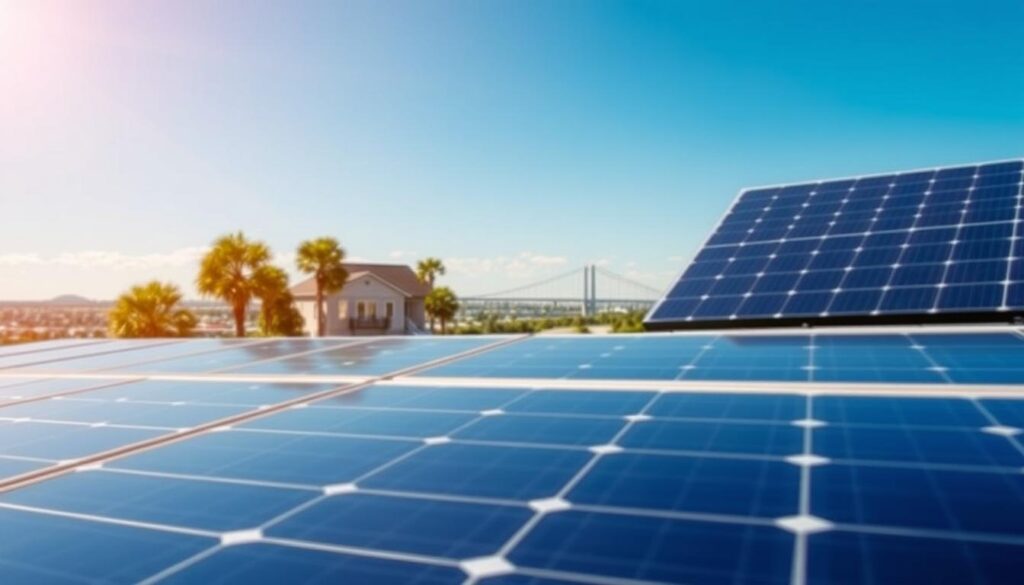
Navarre Beach’s grid is managed by a utility that must contend with high humidity, salt spray, and the occasional Category‑4 hurricane. Historical data shows an average of 4.2 outage days per year, with restoration times often extending beyond 12 hours after a major storm. For solar adopters, this translates into a higher reliance on battery backup to maintain critical loads during prolonged blackouts. Additionally, the utility’s net‑metering policies may limit export credits during grid‑disturbance events, reducing the financial return on a solar system. Homeowners who prioritize resilience often pair solar panels with robust storage solutions, accepting a higher upfront cost to mitigate the risk associated with the local grid’s reliability challenges.
Crestview and Tallahassee Example
In inland locales such as Crestview and Tallahassee, the grid experiences fewer weather‑induced disruptions. The average annual outage days drop to 1.8, and most incidents are resolved within 4 hours. This higher reliability means solar owners can count on consistent net‑metering credits and face less pressure to invest heavily in battery storage. Moreover, utilities in these cities often offer performance‑based incentives that reward consistent energy export, further enhancing the economic attractiveness of solar projects. For many residents, the combination of dependable grid service and supportive policies makes the decision to go solar straightforward, reinforcing the role of grid reliability solar adoption florida panhandle in shaping regional market dynamics.
Impact on Solar Adoption Decisions
The reliability of the local grid influences three core aspects of a solar purchase: financial return, system sizing, and resilience planning. When the grid is dependable, solar owners can size their systems to match typical consumption patterns, relying on net‑metering to offset bills and earn credits for excess generation. In areas where outages are frequent, however, the financial model shifts. Homeowners may opt for larger arrays paired with battery storage to ensure power continuity, which raises the initial capital outlay but can provide peace of mind during extended blackouts. Additionally, utilities may adjust feed‑in tariffs based on grid performance, offering higher rates in regions where the grid is less reliable to encourage distributed generation as a backup resource. Understanding these dynamics helps prospective solar customers evaluate the true cost‑benefit ratio of installing panels in the Florida Panhandle.
Financial Incentives Tied to Grid Performance
Several state and local programs in the Florida Panhandle incorporate grid reliability metrics into their incentive structures. For example, the Florida Solar Energy Center has piloted a “Resilience Bonus” that awards additional rebates to projects in high‑risk outage zones, recognizing the added value of on‑site generation. Similarly, some utilities provide reduced demand charges for customers who install storage that can ride through outages, effectively lowering the overall cost of electricity. These incentives aim to balance the grid’s vulnerability by encouraging distributed resources that can support the network during emergencies. As a result, the grid reliability solar adoption florida panhandle equation becomes a key consideration for both policymakers and consumers seeking to maximize return on investment.
Practical Considerations for Homeowners
When evaluating a solar project, homeowners should start by reviewing the utility’s reliability reports, which are often publicly available through the state’s public utility commission. Look for SAIDI and SAIFI figures specific to your zip code. Next, assess your tolerance for outages: if a brief interruption would cause significant inconvenience or risk, prioritize a system with integrated battery storage. Finally, compare the total installed cost—including any storage—against the expected savings from net‑metering and any available resilience bonuses. By aligning system design with the local grid’s reliability profile, you can ensure that your investment delivers both economic and practical benefits over the system’s lifespan.

Comparison of Grid Metrics
| Location | Outage Frequency (days/year) | Avg. Restoration Time (hours) | Solar Incentive Score (1‑10) |
|---|---|---|---|
| Navarre Beach | 4.2 | 12+ | 5 |
| Crestview | 1.8 | 4 | 8 |
| Tallahassee | 1.9 | 3.5 | 8 |
Strategies to Mitigate Grid Reliability Concerns
For residents in areas where the grid is less dependable, several strategies can enhance the value of a solar installation. Adding a battery system provides backup power during outages, while a solar‑plus‑storage configuration can participate in demand‑response programs that reward flexibility. Installing a micro‑inverter or power optimizer can improve system performance under variable grid conditions, ensuring that each panel operates at its maximum potential even when voltage fluctuations occur. Additionally, participating in community solar projects can spread the risk across multiple participants, offering a shared resilience benefit without the need for individual storage investments. By employing these tactics, homeowners can offset the drawbacks of a less reliable grid and still enjoy the environmental and financial advantages of solar power.
Future Outlook for the Florida Panhandle
Looking ahead, the grid reliability solar adoption florida panhandle narrative is poised to evolve as utilities invest in modernizing infrastructure and as state policies encourage greater resilience. Advanced grid‑monitoring technologies, such as smart sensors and automated fault detection, are expected to reduce outage durations, especially in coastal zones prone to storm damage. Moreover, the expansion of regional microgrids could allow clusters of solar‑equipped homes to operate independently during large‑scale disruptions, further enhancing reliability. As these developments take shape, the perceived risk associated with grid instability will diminish, making solar an even more compelling option for both coastal and inland residents throughout the Panhandle.
Conclusion
Grid reliability is a decisive factor in the solar adoption journey across the Florida Panhandle. By understanding how outage frequency, restoration times, and local utility policies intersect with solar economics, homeowners can make informed choices that balance cost, resilience, and environmental impact. Whether you live on the breezy shores of Navarre Beach or the inland neighborhoods of Crestview and Tallahassee, evaluating the reliability of your grid will help you design a solar system that meets your unique needs and maximizes long‑term benefits.
