



Understanding the Link Between Cooling Load and Solar Value
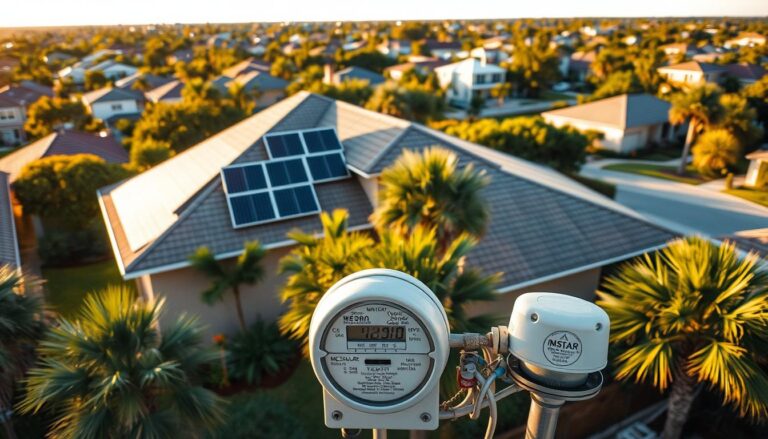
In the Gulf Coast, especially in places like Panama City, Destin, and Pensacola, the summer heat can feel relentless. Homes that rely heavily on air conditioning see a dramatic spike in electricity usage during the hottest months. This high cooling demand creates a perfect scenario for solar energy to shine. When a household’s power bill is dominated by air conditioning, the savings from a well‑sized photovoltaic (PV) system become much more noticeable. In other words, the more you spend on cooling, the greater the financial upside of installing solar panels. This relationship is at the heart of the air conditioning solar benefits florida conversation, and it explains why many homeowners are turning to clean energy as a way to tame their bills.
Find us here:
Solar Cost Calculator – Florida Panhandle Only
* Estimate based on $3.25 per watt for solar installation.
* For Tesla Powerwall 3 Batteries, $15,000 for the first battery, $12,000 for each additional battery.
* Other variations and types of Batteries are available.
Why High AC Usage Amplifies Solar Returns
Solar panels generate electricity when the sun is shining the brightest—exactly when your air conditioner is working hardest. This natural alignment means that a larger portion of the energy your AC consumes can be offset directly by the power your roof produces. When the grid’s electricity rates are high, especially during peak summer demand, the value of each kilowatt‑hour (kWh) you generate increases. Consequently, homes with a high cooling load see a quicker payback period, higher net‑present value, and a more attractive return on investment compared with homes that use less electricity for cooling.
Peak‑Shaving Benefits
Peak‑shaving refers to reducing electricity consumption during the most expensive periods of the day. In Florida, utilities often charge higher rates from noon to early evening, coinciding with the hottest part of the day. By generating solar power during these hours, a home can “shave” the peak demand and avoid the steepest charges. This directly translates into lower monthly bills and, over the system’s lifetime, a substantial boost to the overall economic performance of the solar installation.
Financial Advantages Specific to Florida Homeowners
Florida offers a unique blend of incentives, rebates, and net‑metering policies that enhance the air conditioning solar benefits florida. The state’s Solar and CHP (Combined Heat and Power) Tax Credit, along with local utility programs in the Panama City, Destin, and Pensacola areas, can reduce upfront costs by up to 30 percent. Moreover, the absence of a state income tax means that the federal Investment Tax Credit (ITC) remains one of the most powerful tools for homeowners seeking to offset installation expenses.
Key Incentives in the Gulf Coast Region
- Florida Renewable Energy Sales Tax Exemption – eliminates sales tax on solar equipment.
- Net metering – credits excess generation at the full retail rate.
- Local utility rebates – varying amounts based on system size and location.
- Federal Investment Tax Credit – currently 30 % of qualified costs.
When these incentives are combined with the high electricity consumption that comes from running air conditioning for many hours each day, the financial equation tilts heavily in favor of solar. Homeowners who install a system sized to meet a significant portion of their cooling load often see a payback period of five to seven years, after which the electricity is essentially free.
Environmental Impact of Pairing AC with Solar
Beyond the wallet, there’s a strong environmental case for coupling high‑energy‑use air conditioning with solar power. Traditional electricity generation in Florida still relies heavily on natural gas and coal, especially during peak summer demand. By offsetting that demand with clean, renewable energy, each home reduces its carbon footprint. Studies show that a typical 6 kW residential system can avoid roughly 5,000 kg of CO₂ emissions per year—a figure that grows proportionally with the amount of AC load displaced.
Practical Considerations When Designing a Solar System for High Cooling Demand
Designing a solar array for a home with heavy air‑conditioning usage isn’t just about slapping on as many panels as possible. Several technical factors must be evaluated to ensure the system maximizes the air conditioning solar benefits florida. These include roof orientation, shading analysis, panel efficiency, and the inclusion of a solar‑ready inverter that can handle the rapid fluctuations in load caused by AC cycling. Additionally, integrating a battery storage solution can further enhance savings by storing excess midday production for use during evening peak hours.
Roof Space and Panel Placement
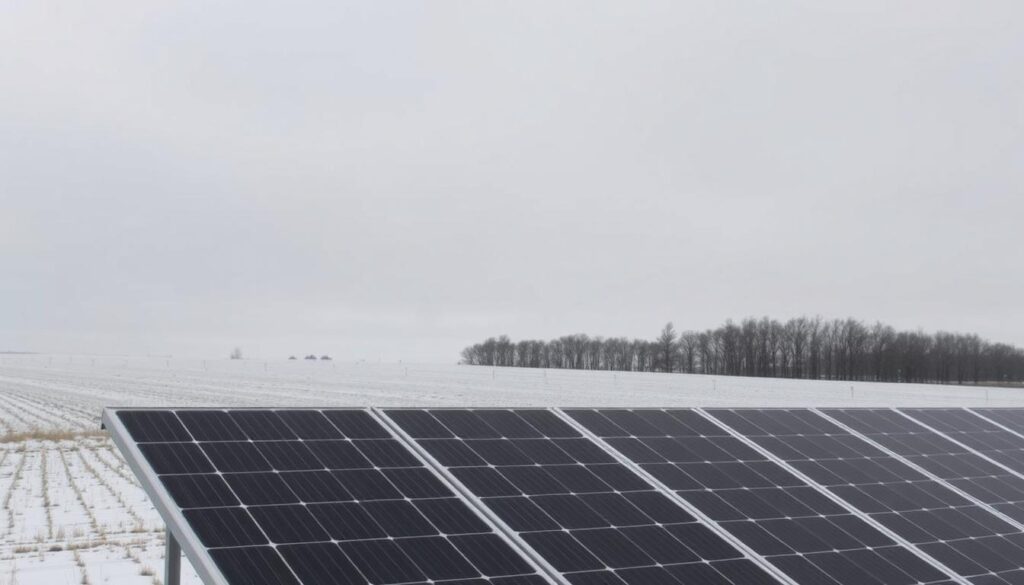
South‑facing roofs with minimal shading provide the best production profile for offsetting daytime AC demand. In cases where roof space is limited, higher‑efficiency panels (such as those with 22 % or more efficiency) can deliver more power per square foot, allowing homeowners to meet a larger portion of their cooling load without compromising on aesthetics.
Case Study: Savings Comparison in a Typical Gulf Coast Home
| Metric | Average Home | High‑Cooling Home |
|---|---|---|
| Annual AC Energy Use (kWh) | 2,500 | 5,200 |
| Solar System Size Needed (kW) | 4 | 8 |
| Payback Period (Years) | 8‑10 | 5‑7 |
| Net Savings Over 25 Years ($) | ≈ $45,000 | ≈ $85,000 |
The table above illustrates how a home with double the typical AC consumption can halve its payback period and more than double its lifetime savings when a properly sized solar system is installed. This stark contrast underscores why the air conditioning solar benefits florida are especially compelling for households that spend a large share of their electricity budget on cooling.
Choosing the Right Solar Partner
Selecting an experienced installer who understands the nuances of high‑cooling homes is crucial. Look for companies that offer detailed energy modeling, site‑specific shading analysis, and a transparent warranty on both equipment and performance. A reputable installer will also guide you through the permitting process, incentive applications, and utility interconnection—steps that can be more complex in regions with aggressive summer demand like Panama City, Destin, and Pensacola.
Maintenance Tips to Keep Your System Performing at Its Best
Solar systems are low‑maintenance, but a few simple practices can ensure they continue to deliver the promised air conditioning solar benefits florida. Keep panels clean, especially after storm events that can leave debris on the roof. Schedule annual inspections to verify inverter health and check for any shading changes caused by new tree growth. If you have a battery, monitor its state of health and follow the manufacturer’s guidelines for optimal cycling.
Debunking Common Myths About Solar and Air Conditioning
Many homeowners hesitate to invest in solar because of misconceptions. One frequent myth is that solar panels can’t generate enough power to run an air conditioner. In reality, a correctly sized system—often between 6 kW and 10 kW for high‑cooling homes—can comfortably meet a large portion of the AC load, especially when paired with net metering. Another myth is that Florida’s humidity reduces solar efficiency. While extreme humidity can have a minor impact, the overall solar irradiance in the state remains among the highest in the nation, making the air conditioning solar benefits florida very real.

Future Outlook: How Emerging Technologies May Boost Savings Further
Advancements such as smart thermostats, demand‑response programs, and solar‑plus‑storage solutions are poised to enhance the synergy between air conditioning and solar. Smart thermostats can shift cooling loads to periods of peak solar production, while demand‑response incentives reward homeowners for reducing consumption during grid stress events. As battery costs continue to decline, more households will be able to store excess midday solar energy for use during evening peaks, further increasing the financial upside of solar for high‑cooling homes.
Conclusion
For residents of Panama City, Destin, and Pensacola, the combination of soaring summer temperatures and generous solar incentives creates a compelling case: homes with higher cooling demand reap disproportionately larger savings from solar installations. By aligning the sun’s peak output with the hours your air conditioner works hardest, you not only cut costs but also contribute to a cleaner, more resilient energy future. If you’re paying a significant portion of your electric bill for air conditioning, exploring solar options today could be the smartest investment you make this year.
