



Introduction: The Hidden Connection Between Solar Placement and Roof Care
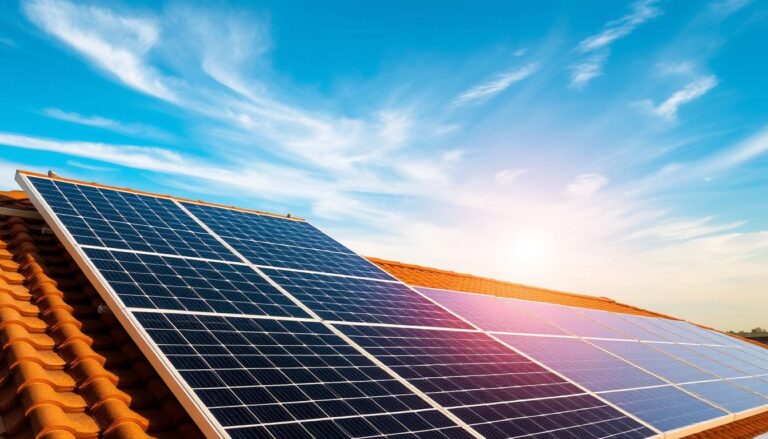
Homeowners in Destin and Panama City are increasingly turning to solar energy to cut electricity costs and reduce their carbon footprint. While the benefits of photovoltaic (PV) systems are clear, the success of a solar installation depends on more than just panel efficiency. Where the panels sit on the roof—known as solar placement—can dramatically affect the future roof maintenance schedule. A well‑planned layout minimizes wear, prevents water intrusion, and eases access for cleaning or repairs. By understanding the relationship between solar placement and roof health, you can avoid costly service calls down the road and keep your home looking great for years to come.
Find us here:
Solar Cost Calculator – Florida Panhandle Only
* Estimate based on $3.25 per watt for solar installation.
* For Tesla Powerwall 3 Batteries, $15,000 for the first battery, $12,000 for each additional battery.
* Other variations and types of Batteries are available.
Understanding Roof Types and Their Unique Challenges
Before diving into solar placement strategies, it’s essential to know the kind of roof you have. Different roofing materials respond uniquely to the added weight and heat of solar panels. Asphalt shingles, the most common choice in Florida, are flexible but can be prone to granule loss if panels create hot spots. Clay and concrete tiles offer durability and a distinctive aesthetic, yet they are heavier and require careful mounting to avoid cracking. Metal roofs, favored for their longevity and resistance to moisture, provide an excellent base for solar panels but can suffer from thermal expansion issues if not installed correctly. Recognizing these nuances helps you decide where to position panels for optimal performance and minimal future maintenance.
Key Characteristics of Popular Roofing Materials
Each roofing material brings its own set of strengths and vulnerabilities that influence solar placement decisions. Asphalt shingles are lightweight and easy to work with, but they can be damaged by excessive pressure or heat. Tile roofs, while robust, have a more complex geometry that can limit panel orientation. Metal roofs are resilient and fire‑resistant, yet they conduct heat quickly, which can affect the temperature of the solar modules. Understanding these traits allows you to map out a layout that respects the roof’s structural limits and reduces the need for future repairs.
- Asphalt shingles: lightweight, flexible, vulnerable to granule loss.
- Clay/concrete tiles: heavy, durable, require careful mounting.
- Metal roofing: strong, heat‑conductive, needs proper thermal breaks.
How Solar Placement Influences Roof Longevity
The phrase solar placement roof maintenance isn’t just a keyword—it reflects a real-world concern. Panels positioned too close to the roof’s edge can interfere with flashing, the metal strips that keep water out. If water pools around the panels, it can seep under the roofing material, leading to rot, mold, or corrosion. Moreover, panels that cast shadows on certain roof sections can create uneven temperature zones, accelerating material fatigue. By strategically placing panels away from vulnerable areas, you protect the roof’s integrity and reduce the frequency of maintenance visits.
Heat Buildup and Material Degradation
Solar panels absorb sunlight and convert it into electricity, but they also trap heat. When panels sit directly over a roof segment, that area can become up to 30 °F hotter than surrounding shingles. Elevated temperatures speed up the oxidation of metal components and cause asphalt to soften, which may lead to premature cracking. Proper solar placement distributes panels across the roof to avoid concentrating heat in one spot, preserving the roof’s material lifespan.
Water Drainage and Flashing Compatibility
Effective drainage is the cornerstone of roof durability, especially in coastal areas where rain and humidity are frequent. Panels installed over valleys or near roof penetrations can obstruct water flow, causing pooling that seeps beneath the roofing layers. In addition, poor alignment with existing flashing can create gaps where moisture infiltrates. Thoughtful solar placement ensures that runoff paths remain clear and that flashing is either preserved or properly re‑sealed during installation, safeguarding the roof against water‑related damage.
Planning for Future Maintenance: A Proactive Approach
When you think about solar placement roof maintenance, imagine it as a roadmap for the next decade of homeownership. By mapping out the layout before installation, you can anticipate how panels will affect cleaning schedules, inspection access, and potential repairs. Positioning panels with adequate spacing—typically at least 12 inches from the eaves and ridge—allows roofers to reach critical areas with ladders and tools. Additionally, aligning panels with the roof’s structural joists reduces the need for extra bracing, simplifying future work. This foresight translates into fewer emergency calls and lower long‑term costs.
- Maintain a minimum 12‑inch clearance from roof edges.
- Align panels with structural joists whenever possible.
- Choose mounting hardware that allows easy removal.
- Plan for seasonal cleaning routes to avoid debris buildup.
Common Mistakes That Compromise Roof Health
Even seasoned homeowners can fall into pitfalls that jeopardize both their solar system and roof. One frequent error is neglecting the roof’s pitch when determining panel angles. A steeply pitched roof may require adjustable mounts; otherwise, panels could sit at an awkward angle, increasing wind uplift forces and stressing the roof deck. Another mistake is overloading the roof’s load‑bearing capacity by stacking too many panels without assessing the underlying structure. Both issues can lead to premature roof repairs, emphasizing why solar placement roof maintenance should be a central consideration from day one.
Ignoring Roof Pitch and Wind Load
Florida’s coastal winds are notorious for their strength. Panels installed without accounting for roof pitch may act like sails, exerting additional lift during storms. This can loosen mounts, cause panel shifting, and eventually damage the roofing material. Selecting mounting brackets that accommodate the roof’s angle and using wind‑rated hardware mitigates these risks and preserves the roof’s structural integrity.
Overloading Structural Capacity
Every roof is designed to support a specific dead load (the weight of roofing materials) and live load (snow, maintenance crews). Adding solar panels adds extra dead load, which must be factored into the design. If the roof wasn’t evaluated by a structural engineer before installation, the added weight could cause sagging or, in extreme cases, roof collapse. Proper assessment ensures that the solar placement does not exceed the roof’s capacity, protecting both the system and the home.
The Role of Professional Installers in Ensuring Longevity
Qualified solar installers bring expertise that goes beyond simply attaching panels. They conduct a thorough roof inspection, verify load‑bearing capacity, and design a layout that aligns with the homeowner’s maintenance goals. By integrating the principles of solar placement roof maintenance into their workflow, professionals can seal flashing correctly, use appropriate mounting hardware, and provide a detailed as‑built drawing for future reference. Choosing an experienced installer is an investment in the long‑term health of both your roof and your solar investment.
Simple Comparison Table: Roof Material vs. Recommended Solar Placement
| Roof Material | Ideal Solar Placement Considerations |
|---|---|
| Asphalt Shingles | Maintain 12‑inch edge clearance; avoid direct placement over valleys; use adjustable mounts to accommodate expansion. |
| Clay/Concrete Tiles | Position panels on flat sections between tiles; reinforce mounting points; ensure flashing is re‑sealed around penetrations. |
| Metal Roofing | Use non‑penetrating clamps; provide thermal break to reduce heat transfer; keep panels aligned with roof seams for easy access. |
Maintenance Checklist After Solar Installation
Once your system is live, a regular maintenance routine helps preserve both the panels and the roof. Below is a concise checklist that homeowners can follow each season to ensure the installation remains trouble‑free.
- Inspect mounting brackets for signs of corrosion or loosening.
- Check roof flashing around panel penetrations for cracks or gaps.
- Clean panel surfaces to remove salt spray, bird droppings, and debris.
- Verify that water is draining freely from the roof and around panels.
- Schedule a professional roof inspection annually, especially after severe weather.
Conclusion: Prioritize Smart Solar Placement for Long‑Term Roof Health
Integrating the concept of solar placement roof maintenance into your planning process is the key to a seamless, durable solar experience. By respecting roof material characteristics, ensuring proper drainage, and working with qualified installers, you protect your roof from premature wear and avoid future service complications. Homeowners in Destin and Panama City who take these proactive steps will enjoy the benefits of clean energy while keeping their roofs in top condition for years to come.
