



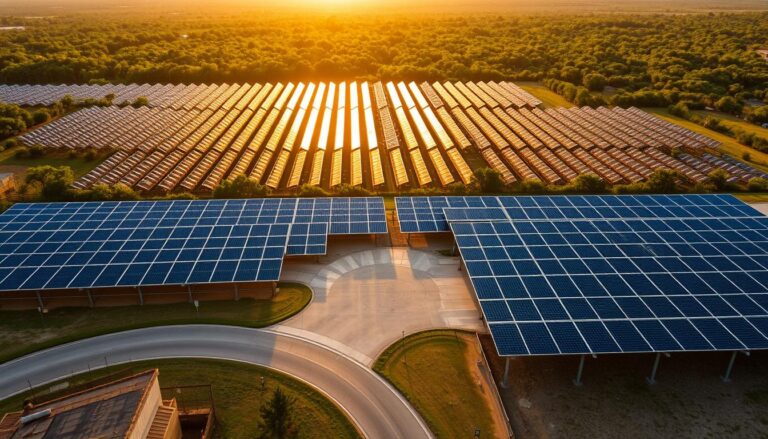
Understanding Solar Potential in the Florida Panhandle
The Florida Panhandle stretches from the emerald waters of the Gulf Coast to the pine‑forested interiors of the north‑west region. While the entire state enjoys abundant sunshine, subtle geographic and climatic variations create noticeable solar output florida panhandle differences. Homeowners who are considering photovoltaic (PV) installations often wonder why a system in coastal Destin can produce more kilowatt‑hours than a similar system in inland Marianna, or why an urban setup in Tallahassee behaves differently from a rural counterpart. This article explores the key environmental, structural, and regulatory factors that drive those differences, helping you make an informed decision about where to place panels for maximum energy yield.
Find us here:
Solar Cost Calculator – Florida Panhandle Only
* Estimate based on $3.25 per watt for solar installation.
* For Tesla Powerwall 3 Batteries, $15,000 for the first battery, $12,000 for each additional battery.
* Other variations and types of Batteries are available.
Geographic Influences on Solar Irradiance
Geography is the most obvious driver of the solar output florida panhandle differences. The Panhandle’s coastline benefits from unobstructed southern exposure, low humidity, and minimal cloud cover, especially during the summer months when the sun sits high in the sky. In contrast, inland locations such as Marianna sit farther from the moderating sea breezes and often experience higher humidity and more frequent cloud formation, which can reduce direct sunlight by up to 10 % on a typical day.
Elevation also plays a role, albeit a modest one. The Panhandle’s average elevation ranges from sea level along the coast to roughly 300 feet in the interior. Higher elevations experience thinner atmospheric layers, allowing slightly more solar radiation to reach the panels. Though the difference is not dramatic, it contributes to the cumulative effect that shapes the overall solar output florida panhandle differences you’ll notice between coastal and inland installations.
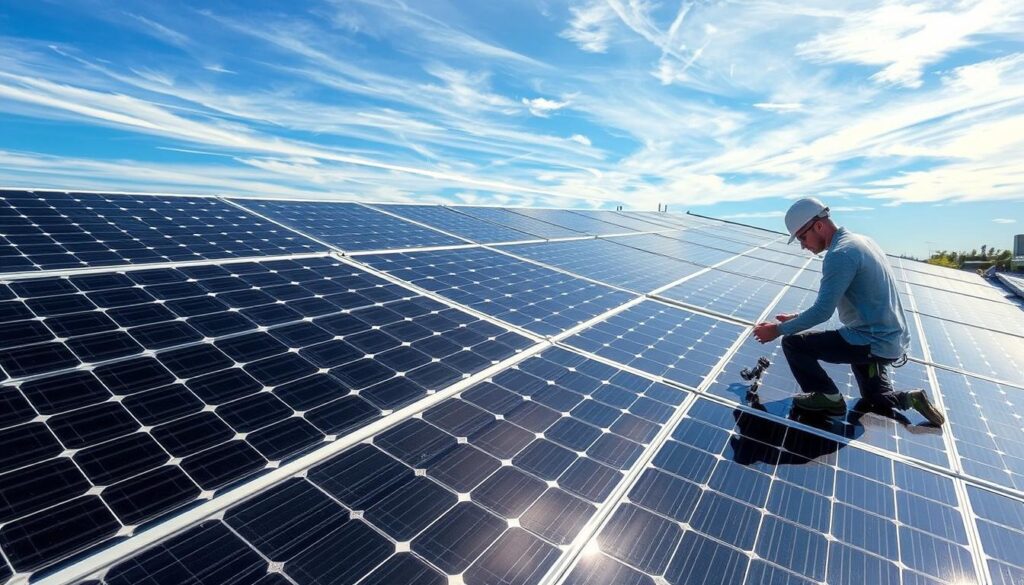
Coastal Climate Benefits
Destin, a popular beach town, enjoys a marine climate that moderates temperature swings and reduces the likelihood of fog. The sea surface reflects a portion of sunlight back toward the horizon, a phenomenon known as “albedo effect,” which can add a marginal boost to solar generation during sunrise and sunset periods. Moreover, the prevailing westerly winds help clear low‑lying clouds quickly, ensuring that panels receive a more consistent stream of direct sunlight throughout the day.
Inland Weather Patterns
Inland Marianna, situated about 70 miles from the Gulf, is more subject to continental weather patterns. Summer thunderstorms are more frequent, and the region can experience higher levels of atmospheric particulates from agricultural activities, both of which can scatter sunlight and lower the effective irradiance that reaches PV modules. These factors collectively shape the solar output florida panhandle differences observed between coastal and inland sites.
Impact of Local Topography and Shade
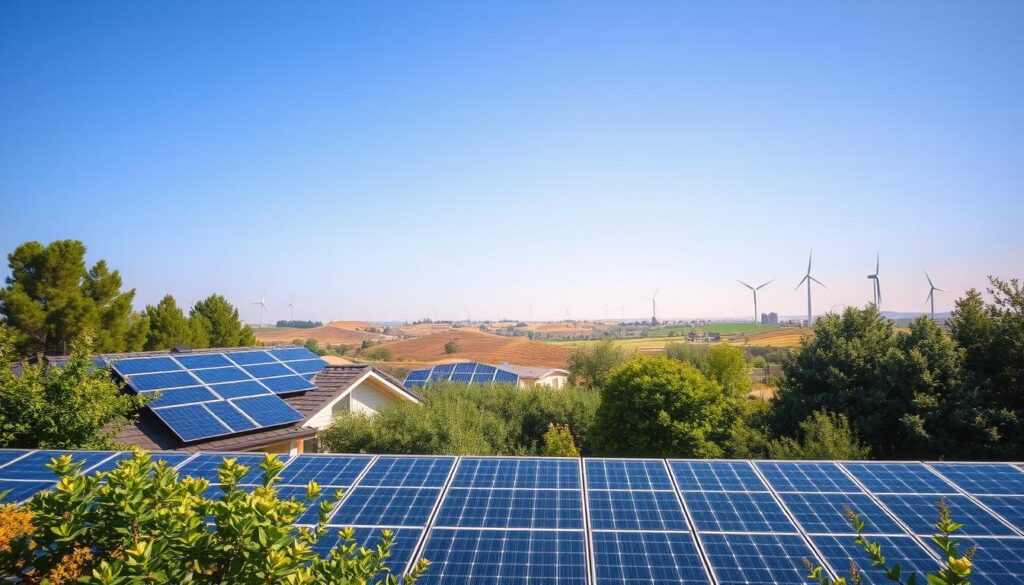
Beyond climate, the immediate surroundings of a home dictate how much sunlight its panels can capture. In the Panhandle, the landscape transitions from flat, open beaches to gently rolling hills and dense pine forests. A house perched on a ridge with an unobstructed southern roof will typically outperform a similar home nestled among mature trees. Even a few meters of shade from overhanging branches can reduce a system’s annual output by 5‑15 %.
- Coastal properties often have clear sightlines to the horizon, minimizing shading.
- Inland homes may be surrounded by taller vegetation or adjacent structures.
- Urban settings like Tallahassee can have multi‑story buildings that cast shadows during peak sun hours.
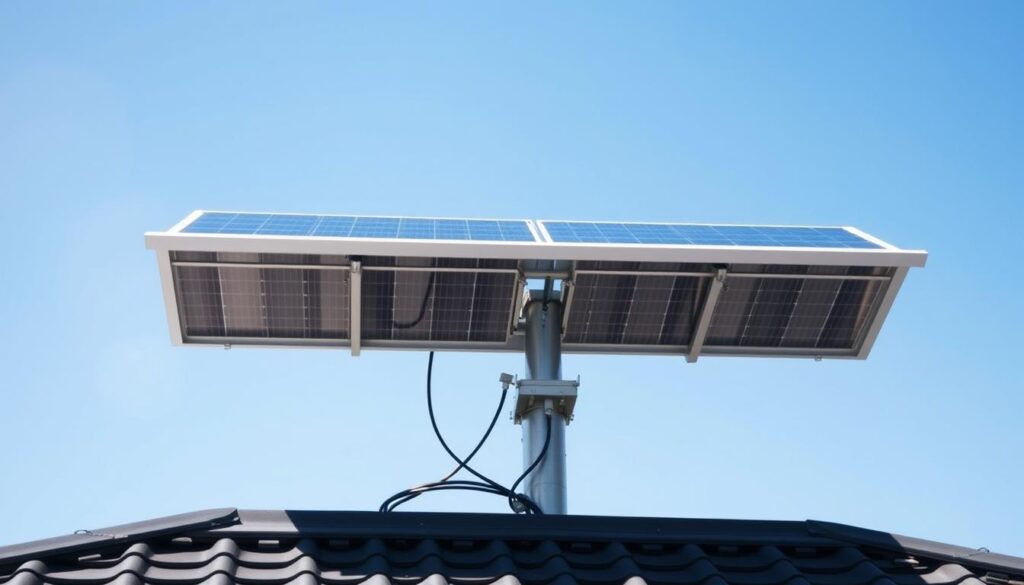
When evaluating the solar output florida panhandle differences, it’s essential to conduct a thorough site analysis that includes a shading study using tools like solar pathfinders or drone‑based LiDAR surveys. This ensures that the selected mounting system (roof‑mount, ground‑mount, or pole‑mount) is optimized for the specific site conditions.
Urban Versus Rural Installations
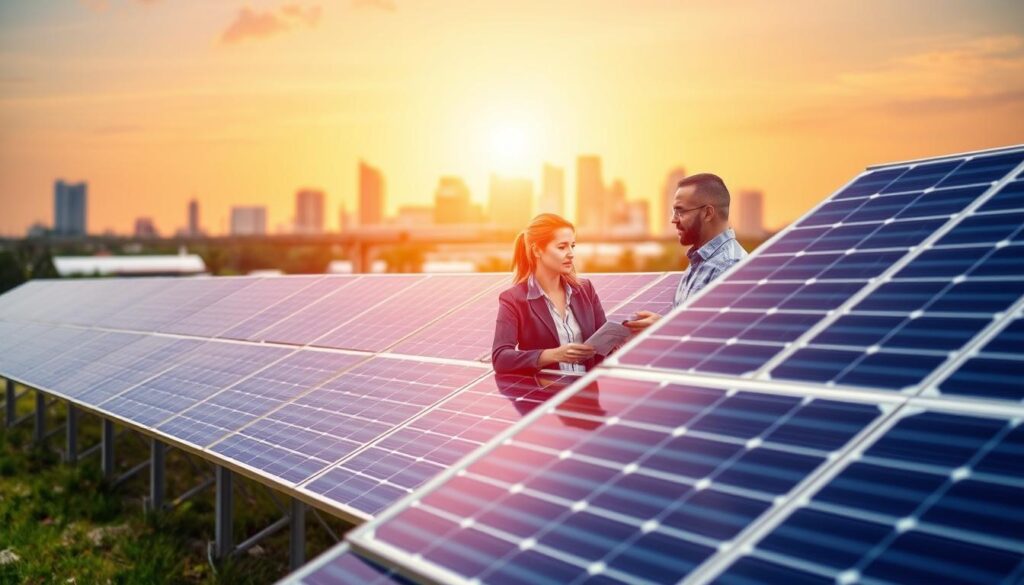
Tallahassee, the state capital, represents a more urban environment within the Panhandle. Urban installations face a distinct set of challenges and opportunities that affect the solar output florida panhandle differences. Rooftop space may be limited, and the presence of taller buildings can lead to reflected glare or additional shading during certain times of day. However, city dwellers often benefit from better access to professional installers, more robust permitting processes, and the possibility of participating in community solar programs.
Rural properties, such as those near Marianna, typically enjoy larger lot sizes, allowing for ground‑mount arrays that can be oriented for optimal sun exposure. These installations can be tilted at steeper angles to capture low‑angle winter sunlight, increasing overall energy harvest. Yet, rural homeowners may encounter longer utility interconnection timelines and fewer local incentives, which can affect the economic feasibility of a solar project.
Temperature Effects on Panel Efficiency
Solar panels convert sunlight into electricity more efficiently at cooler temperatures. The Panhandle’s coastal breezes help keep panel temperatures lower than inland areas, where heat can build up more readily on the surface of the modules. For every degree Celsius rise above the standard test condition (25 °C), most silicon panels lose about 0.4‑0.5 % of their efficiency. Over a hot summer, this loss can accumulate, contributing to measurable solar output florida panhandle differences between a seaside home in Destin and an inland residence in Marianna.
Regulatory and Incentive Landscape
Statewide, Florida offers a robust set of incentives for solar adoption, including a 30 % federal Investment Tax Credit (ITC) and net‑metering policies that credit excess generation at the retail rate. However, local jurisdictions within the Panhandle may have additional ordinances that affect installation costs and timelines. For example, some coastal municipalities enforce stricter building codes to withstand hurricane forces, requiring stronger mounting hardware that can add to the upfront expense.
Conversely, certain inland counties provide streamlined permitting processes or rebate programs aimed at encouraging renewable energy in agricultural areas. Understanding these nuanced differences is crucial for accurately forecasting the financial return of a solar system and for appreciating the broader solar output florida panhandle differences that stem from policy environments.
Performance Modeling: A Comparative Table
| Location | Average Annual Solar Irradiance (kWh/m²/day) | Typical System Size (kW) | Estimated Annual Production (kWh) |
|---|---|---|---|
| Destin (Coastal) | 5.8 | 6 | 10,800 |
| Marianna (Inland) | 5.2 | 6 | 9,600 |
| Tallahassee (Urban) | 5.5 | 6 | 10,200 |
The table above illustrates a simplified snapshot of the solar output florida panhandle differences that can be expected from a standard 6 kW residential system installed in three representative locations. While the numbers are illustrative, they highlight how even a half‑kilowatt‑hour per day variation in irradiance translates into several hundred kilowatt‑hours of annual energy production—enough to power an average home for months longer.
Optimizing System Design for Each Environment
To mitigate the inherent solar output florida panhandle differences, installers can tailor system design to local conditions. In coastal Destin, using low‑profile mounting systems that reduce wind uplift while maintaining optimal tilt can capture the abundant sunlight without compromising structural integrity. In Marianna, selecting panels with higher temperature coefficients and incorporating micro‑inverters can improve performance during hot days and reduce losses caused by shading from nearby trees.
Urban installations in Tallahassee benefit from bifacial modules that capture reflected light from nearby surfaces, as well as from smart inverter technology that maximizes output during partially shaded periods. Additionally, integrating energy storage can smooth out production variability across the Panhandle, ensuring that homeowners have reliable power even when weather conditions temporarily depress solar generation.
Maintenance Considerations Across the Panhandle
Regular maintenance is essential to preserve the efficiency of any solar array, but the specific tasks can vary depending on location. Coastal panels are exposed to salt spray, which can accelerate corrosion on mounting hardware and degrade the anti‑reflective coating on the glass. Periodic rinsing with fresh water and using corrosion‑resistant hardware can extend the lifespan of a Destin installation.
Inland sites like Marianna may experience more dust and pollen accumulation, especially during the dry season. A simple cleaning schedule—once or twice a year—can prevent soiling losses that would otherwise lower the system’s output. Urban panels in Tallahassee might contend with airborne pollutants from traffic; therefore, occasional cleaning combined with monitoring tools that flag performance drops can help maintain optimal production.
Financial Implications of Regional Output Variations
The economic return on a solar investment is directly tied to the amount of electricity generated. A system in Destin that produces roughly 10,800 kWh per year will offset more utility bills than an identical system in Marianna producing 9,600 kWh. Assuming an average electricity rate of $0.13 /kWh, the annual savings difference can be about $156. Over a 25‑year system life, that adds up to nearly $4,000—a non‑trivial figure for many homeowners.
When performing a cost‑benefit analysis, it’s important to factor in these regional performance gaps alongside local incentive structures, financing options, and expected degradation rates. Doing so ensures that the projected payback period reflects the true solar output florida panhandle differences you’ll experience.
Future Outlook: Climate Change and Solar Potential
Climate models suggest that the Florida Panhandle may experience increased temperature extremes and more intense storm events in the coming decades. Higher temperatures could marginally reduce panel efficiency, while more frequent severe weather could increase the need for robust mounting solutions. However, projected increases in overall sunshine hours—especially in inland areas—might offset some of the efficiency losses, potentially narrowing the current solar output florida panhandle differences.
Advancements in solar technology, such as the development of temperature‑tolerant perovskite cells and bifacial modules with higher albedo capture, are poised to further level the playing field across the Panhandle. Homeowners who stay informed about emerging products and local policy changes will be better positioned to capitalize on these improvements.
Key Takeaways for Homeowners
- Coastal Destin enjoys higher irradiance and cooler panel temperatures, leading to the best overall solar performance.
- Inland Marianna experiences modestly lower solar output due to higher humidity, cloud cover, and temperature‑related efficiency losses.
- Urban Tallahassee offers a mix of advantages and challenges, with moderate irradiance but potential shading from nearby structures.
- Site‑specific design, appropriate mounting, and regular maintenance are essential to mitigate regional output differences.
- Understanding local incentives and regulatory nuances can improve the financial viability of a solar project across the Panhandle.
By recognizing the subtle yet impactful solar output florida panhandle differences that stem from geography, climate, and urban form, you can tailor your solar investment to achieve the highest possible energy production and return on investment.
Whether you’re perched on the Gulf’s sandy shoreline, settled amid pine‑forested hills, or residing in a bustling cityscape, the path to clean, affordable energy begins with a clear understanding of how your home’s location influences solar performance.
In conclusion, the Florida Panhandle’s diverse environments each present unique opportunities and challenges for solar generation. By evaluating local irradiance, temperature, shading, and regulatory factors, homeowners can optimize system design, maintenance, and financing to maximize output, regardless of whether they call Destin, Marianna, or Tallahassee home.
