



Understanding Solar Panel Performance Basics
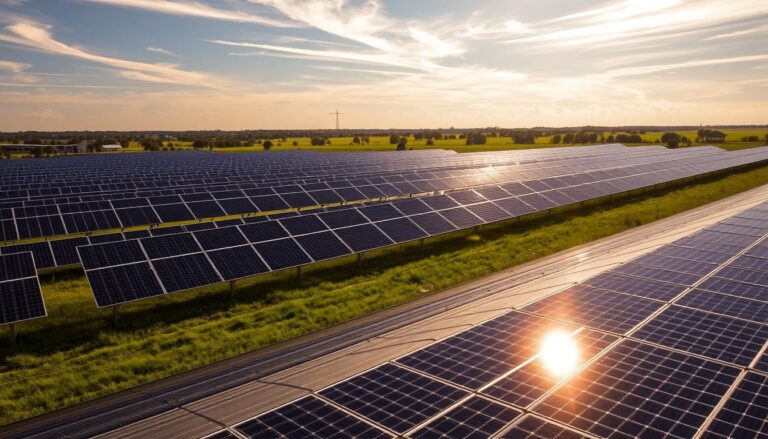
Solar photovoltaic (PV) panels convert sunlight into electricity, but the process is not solely dependent on the amount of solar irradiance they receive. Temperature plays a crucial role in determining how efficiently a panel can turn photons into usable power. As the temperature of the solar cells rises, their voltage drops, which in turn reduces overall output. This phenomenon is known as temperature coefficient loss, and it can shave off as much as 0.5% to 0.8% of a panel’s rated power for every degree Celsius above its standard test condition of 25 °C. Understanding this relationship is the first step toward appreciating why a gentle coastal breeze can make a noticeable difference in solar generation.
Find us here:
Solar Cost Calculator – Florida Panhandle Only
* Estimate based on $3.25 per watt for solar installation.
* For Tesla Powerwall 3 Batteries, $15,000 for the first battery, $12,000 for each additional battery.
* Other variations and types of Batteries are available.
The Physics Behind Temperature‑Induced Efficiency Drops
When sunlight strikes a solar cell, it excites electrons, creating an electric current. However, heat agitates the semiconductor lattice, increasing the likelihood that excited electrons will recombine before they can contribute to the circuit. This recombination reduces the open‑circuit voltage (Voc) while the short‑circuit current (Isc) remains relatively stable. The net effect is a lower power output (P = Voc × Isc). Manufacturers express this sensitivity as a temperature coefficient, typically ranging from –0.30%/°C to –0.55%/°C for most residential modules. In a hot, stagnant environment, panel temperatures can climb 30 °C or more above ambient, leading to a measurable dip in performance.
Coastal Breezes: A Natural Cooling Mechanism
Coastal regions are renowned for their steady on‑shore breezes, especially during the summer months when inland temperatures peak. These breezes act as a passive cooling system, flushing warm air away from the surface of solar panels and replacing it with cooler, lower‑humidity air from the Gulf of Mexico. The result is a modest reduction in panel temperature—often 5 °C to 10 °C lower than panels installed inland under identical solar irradiance. This temperature differential translates directly into improved output, a concept sometimes referred to as coastal cooling solar efficiency. While the gain may seem small, over the course of a year it can amount to several hundred extra kilowatt‑hours for a typical 5 kW residential system.
Why Cooler Air Improves Panel Output
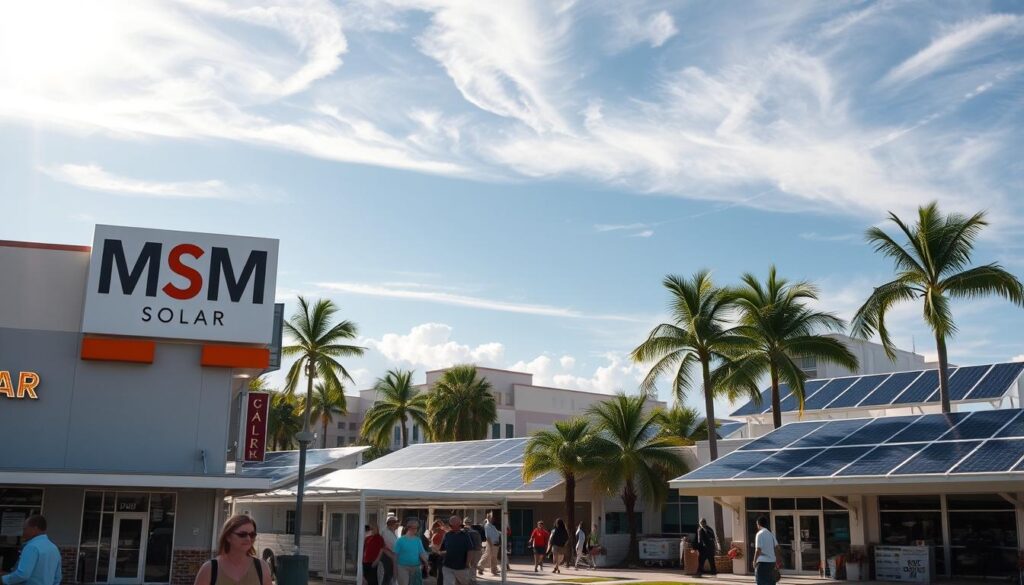
Cooler air lowers the thermal resistance between the photovoltaic cells and the surrounding environment. When the panel’s backside is exposed to moving air, convective heat transfer becomes more effective, pulling heat away faster than still air would. This enhanced convection reduces the cell temperature, which in turn raises the open‑circuit voltage and boosts overall efficiency. In practical terms, a panel operating at 35 °C may deliver 3% more power than the same panel at 45 °C, assuming all other factors remain constant. This is precisely the advantage that coastal breezes provide, especially in the Gulf‑coast towns of Destin, Navarre Beach, and Port St. Joe, where sea‑derived winds are a regular feature of the summer climate.
Case Study: Destin, Navarre Beach, and Port St. Joe
These three Florida Gulf‑coast communities share a common climate profile: hot, humid summers tempered by consistent on‑shore breezes averaging 8–12 mph. Solar installers in the area have reported that panels positioned with an unobstructed view of the prevailing wind direction tend to run 5 °C to 7 °C cooler than those shaded by nearby structures or vegetation. The resulting efficiency uplift aligns closely with the concept of coastal cooling solar efficiency, providing homeowners with a modest but reliable boost to their annual energy production. In addition, the salty air can have a slight cleaning effect, reducing the accumulation of dust and pollen that would otherwise diminish performance.
Comparative Data: Temperature vs. Efficiency
| Average Ambient Temp (°C) | Average Panel Temp (°C) | Estimated Efficiency Gain |
|---|---|---|
| 30 | 45 | 0% |
| 30 | 38 | 2.5% |
| 30 | 33 | 5.0% |
The simple table above illustrates how a drop of just 5 °C in panel temperature can translate into a 2.5% efficiency gain, while a 12 °C reduction can push the gain to around 5%. For a 5 kW system, that extra 5% equals roughly 250 kWh per year—enough to power a typical family refrigerator for an entire year. These numbers underscore why homeowners in Destin, Navarre Beach, and Port St. Joe are increasingly interested in leveraging natural breezes to enhance coastal cooling solar efficiency.

Design Strategies to Maximize Coastal Cooling Benefits
- Orient panels perpendicular to the prevailing wind direction to capture the maximum airflow.
- Maintain a minimum clearance of 2–3 feet between the panel backsheet and any mounting surface to promote air circulation.
- Choose mounting systems with open‑frame designs rather than solid‑backed racks, as they allow wind to pass through more easily.
- Incorporate low‑profile, high‑efficiency modules that generate less heat per unit area.
- Utilize anti‑soiling coatings that reduce the need for manual cleaning, preserving the natural cooling effect of the breeze.
By integrating these design considerations, installers can amplify the natural advantage offered by coastal breezes, effectively turning the environment into a passive cooling system. This approach not only improves immediate performance but also extends the lifespan of the panels by reducing thermal cycling stress.
Maintenance Tips for Coastal Solar Installations
While the sea breeze provides cooling, the salty marine atmosphere can accelerate corrosion on metal components if they are not properly protected. Regular inspections of mounting hardware, inverters, and wiring are essential. Applying a marine‑grade protective coating to exposed metal parts can mitigate rust and maintain optimal airflow around the panels. Additionally, because the wind can carry sand and grit, a light rinse with fresh water a few times a year helps keep the glass surface clean, ensuring that the panels continue to benefit from both sunlight and cooling breezes.
Future Technologies Enhancing Coastal Cooling Efficiency
Researchers are developing advanced PV materials that are less temperature‑sensitive, such as perovskite‑silicon tandem cells, which exhibit lower temperature coefficients. In coastal settings, these next‑generation modules could pair with the natural cooling effect of sea breezes to deliver even higher performance gains. Moreover, smart mounting systems equipped with tiny fans or phase‑change materials are being prototyped to actively regulate panel temperature when wind speeds drop, ensuring consistent efficiency throughout the day.

Economic Impact of Coastal Cooling Solar Efficiency
Even a modest 3% to 5% increase in output can have a measurable impact on a homeowner’s electricity bill. Over a typical 25‑year system lifespan, the cumulative energy savings can offset a portion of the initial investment, improving the return on investment (ROI). In areas like Destin, Navarre Beach, and Port St. Joe, where electricity rates are comparable to the national average, the added revenue from higher production can shave several thousand dollars off the total cost of ownership. This financial incentive reinforces the technical benefits of harnessing coastal breezes for improved solar performance.
Community and Environmental Benefits
When a neighborhood collectively embraces solar installations that take advantage of natural cooling, the aggregate effect can reduce peak demand on the local grid. Cooler panels generate more power during the hottest part of the day, when utilities often rely on expensive, carbon‑intensive peaker plants. By smoothing out demand spikes, coastal communities can lower overall emissions and support a more resilient energy infrastructure. This aligns with broader sustainability goals and showcases how simple design choices can contribute to larger environmental outcomes.
Key Takeaways for Homeowners
- Coastal breezes naturally lower panel temperature, boosting coastal cooling solar efficiency.
- A 5 °C–10 °C temperature drop can increase output by 2%–5%.
- Orient and mount panels to maximize wind exposure while preserving structural integrity.
- Regular maintenance against salt‑induced corrosion preserves performance.
- Emerging technologies promise even greater gains when combined with natural cooling.
By understanding the interplay between temperature, wind, and photovoltaic performance, homeowners in Destin, Navarre Beach, and Port St. Joe can make informed decisions that enhance both the efficiency and longevity of their solar investments.
Conclusion
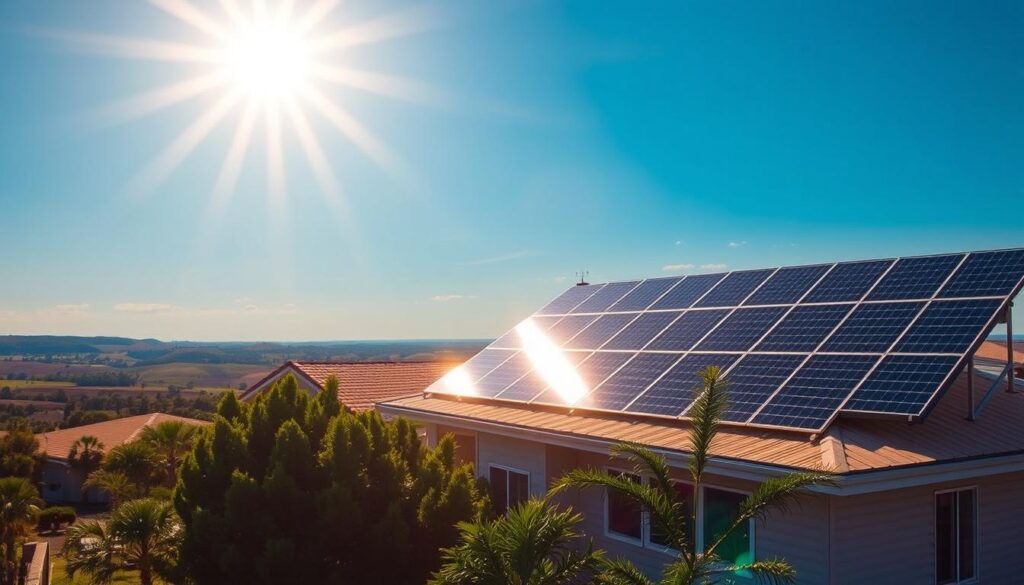
Coastal breezes do more than provide a pleasant climate—they serve as a free, passive cooling system that can subtly but consistently improve solar panel output. Embracing the principles of coastal cooling solar efficiency allows residents of Destin, Navarre Beach, and Port St. Joe to extract more energy from the sun, enjoy better financial returns, and contribute to a greener grid. With thoughtful design, regular upkeep, and an eye toward emerging technologies, the benefits of the Gulf’s gentle winds can be fully realized for years to come.
