



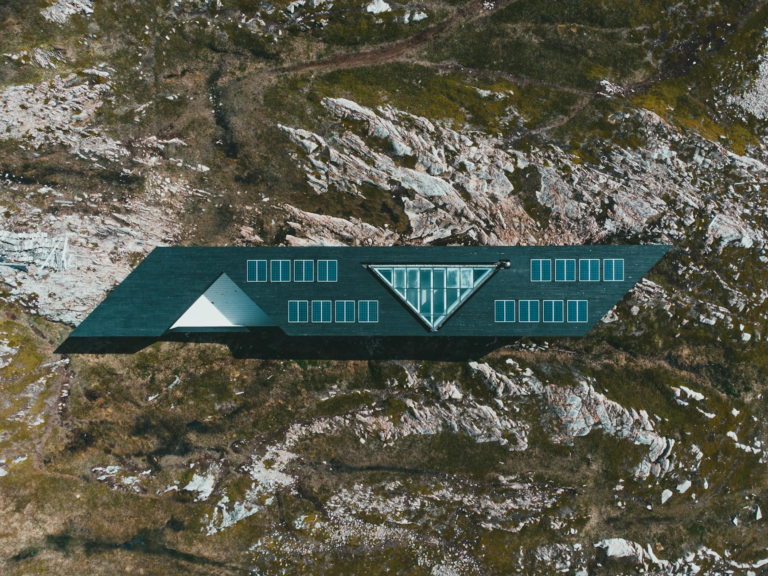
Why Solar Panels Are Becoming Part of Modern Home Design
Across the sun‑kissed neighborhoods of Scenic Hwy 30A and the growing communities of Panama City, a new aesthetic is emerging. Homeowners and builders are no longer treating solar panels as an afterthought or a purely functional add‑on. Instead, they are weaving photovoltaic technology directly into the architectural language of new construction. This shift reflects a broader cultural movement toward sustainability, energy independence, and design innovation. When a residence embraces the solar modern home design philosophy, it signals a commitment to both environmental stewardship and contemporary style. In this article we explore the forces driving this trend, the practical benefits for residents, and the design strategies that make solar integration seamless and attractive.
Find us here:
Solar Cost Calculator – Florida Panhandle Only
* Estimate based on $3.25 per watt for solar installation.
* For Tesla Powerwall 3 Batteries, $15,000 for the first battery, $12,000 for each additional battery.
* Other variations and types of Batteries are available.
The Rise of Solar in Residential Architecture
Over the past decade, the cost of solar technology has dropped dramatically while efficiency has improved. Incentives from state and federal programs, coupled with a growing awareness of climate change, have turned solar from a niche solution into a mainstream expectation. In coastal regions like the Florida Panhandle, the abundant sunshine provides an ideal testing ground for the solar modern home design approach. Homebuilders now factor solar potential into site planning, roof orientation, and even façade composition from the earliest design stages. This proactive stance reduces retrofitting costs and maximizes energy generation, allowing new homes to achieve net‑zero or even energy‑positive status within a few years of occupancy.
Architectural Benefits of Integrating Solar
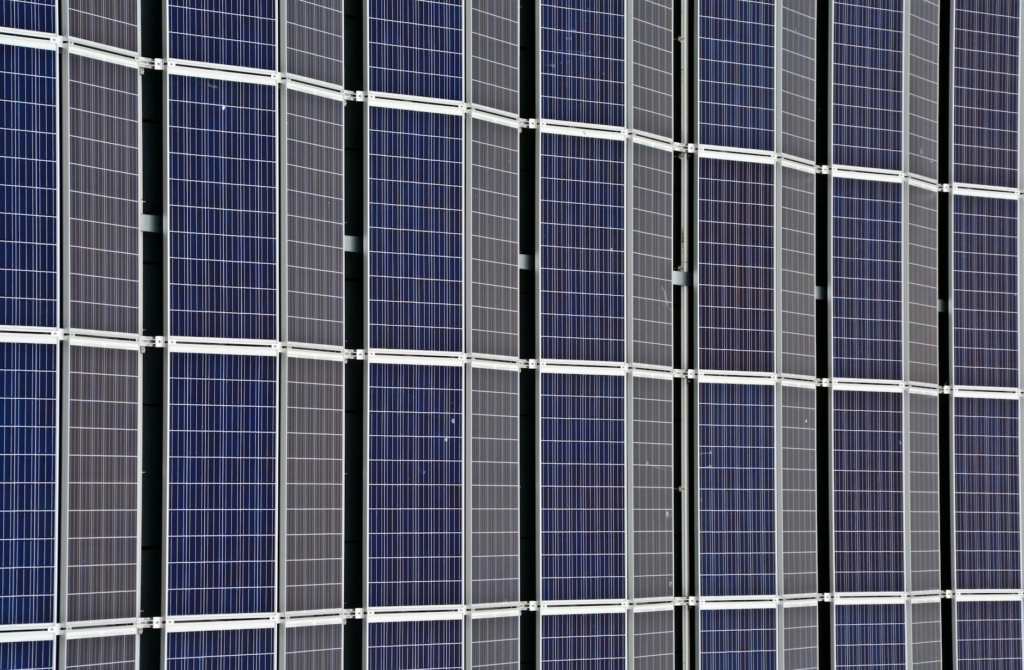
Beyond the obvious environmental advantages, solar panels contribute to a house’s visual identity. Modern architectural trends favor clean lines, geometric forms, and materials that age gracefully. When solar modules are selected with attention to color, texture, and placement, they become an extension of the roof plane rather than a clunky attachment. In many solar modern home design projects, panels are positioned to align with roof pitches, creating a unified silhouette that enhances curb appeal. Moreover, the sleek, low‑profile appearance of contemporary thin‑film panels can complement minimalist aesthetics, while bifacial modules add a subtle reflective quality that interacts with natural light.
Energy Efficiency Meets Aesthetic Harmony
When designers treat solar as a design element, they can manipulate shading, orientation, and spacing to achieve optimal performance without compromising style. For example, integrating solar tiles that mimic traditional roofing materials allows a home to retain its classic look while generating electricity. In the solar modern home design context, these tiles can be arranged in patterns that echo shingle courses or slate layouts, creating a visual rhythm that resonates with the surrounding environment. This synergy reduces visual disruption and helps homeowners feel confident that their investment enhances both function and form.
Flexibility for Diverse Architectural Styles
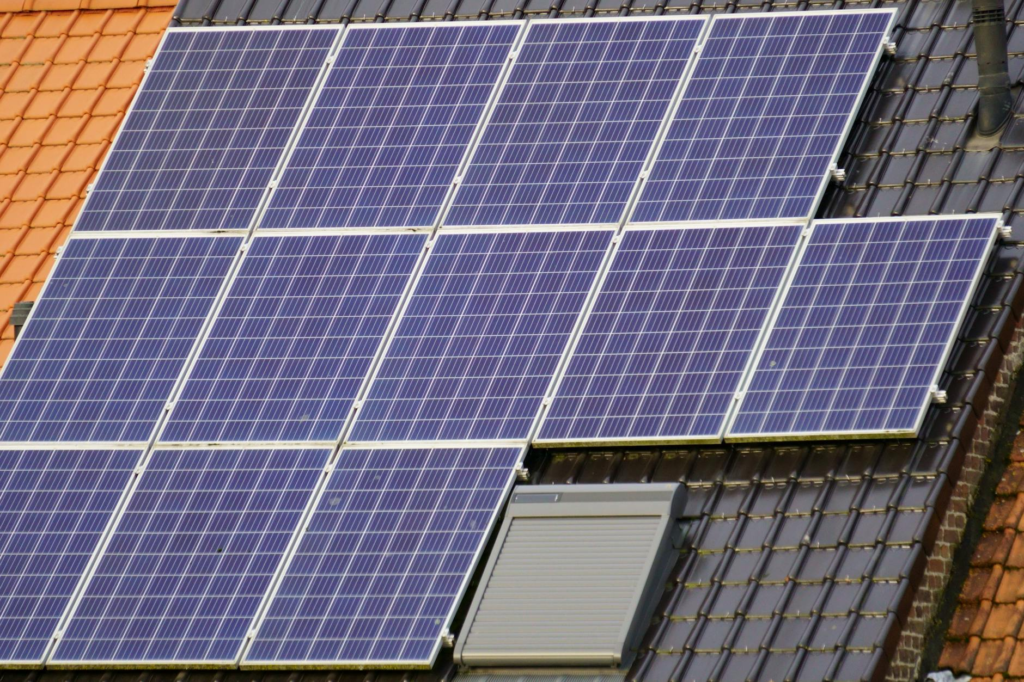
Whether a property features a mid‑century modern façade, a coastal cottage vibe, or a bold contemporary geometry, solar solutions can be tailored to match. Low‑profile panels can be hidden behind overhangs, integrated into pergolas, or mounted on garage roofs where they are less visible from the street. In a solar modern home design strategy, designers often use custom mounting systems that allow panels to follow the angles of a sloped roof or wrap around a curved surface, preserving the intended aesthetic while delivering clean energy.
Practical Advantages for Homeowners
Homeowners who adopt the solar modern home design approach reap financial, comfort, and resale benefits. Lower utility bills are the most immediate advantage; with a well‑designed photovoltaic system, many families see a 60‑80 % reduction in electricity costs. Over time, the savings offset the upfront investment, especially when combined with tax credits and local rebates. Additionally, solar power provides resilience during grid outages, a valuable feature in hurricane‑prone coastal areas where power reliability can be a concern.
From a market perspective, homes equipped with integrated solar are increasingly attractive to buyers. Real estate data shows that properties with solar installations sell faster and at a premium compared with comparable homes lacking renewable energy features. The visual integration achieved through solar modern home design makes these homes stand out in listings, as high‑quality photos showcase a cohesive, forward‑thinking aesthetic that appeals to environmentally conscious consumers.
Key Design Considerations for Seamless Integration
- Roof orientation and tilt: Optimize panel placement for maximum sun exposure while respecting the architectural pitch.
- Material compatibility: Choose solar tiles or thin‑film modules that match or complement roofing materials.
- Electrical planning: Coordinate wiring routes early to avoid concealed conduits that could compromise design.
- Regulatory compliance: Ensure the design meets local building codes, historic district guidelines, and HOA restrictions.
- Future expansion: Design mounting systems that allow additional panels or upgrades without major alterations.
Case Study: A Coastal Home on Scenic Hwy 30A
One recent project along Scenic Hwy 30A illustrates the power of the solar modern home design approach. The client wanted a beach‑inspired residence with large glass walls, an expansive deck, and a commitment to net‑zero energy. Architects selected high‑efficiency bifacial panels that blended with a dark slate‑colored roof, creating a subtle contrast that emphasized the home’s sleek lines. By positioning the panels on the roof’s south‑facing slope and integrating them into a pergola over the deck, the design captured abundant sunlight while preserving unobstructed views of the Gulf. The result was a home that generated 12,000 kWh annually, offsetting 95 % of its electricity consumption and earning a LEED Platinum rating.
This example demonstrates how thoughtful placement and product selection can turn solar from a functional necessity into a design statement. The homeowner now enjoys lower energy bills, a reduced carbon footprint, and a property that stands out in the market for its innovative yet harmonious appearance.
Comparing Traditional Roofing with Integrated Solar Solutions
| Aspect | Traditional Roofing | Integrated Solar (Solar Modern Home Design) |
|---|---|---|
| Energy Production | None | Generates electricity, reduces utility costs |
| Visual Impact | Standard material aesthetic | Seamless integration, enhances modern look |
| Longevity | Typical roof lifespan (15‑25 years) | Solar panels add durability, often 25‑30 years |
Design Trends Shaping the Future of Solar Homes
As technology advances, new design possibilities are emerging. Transparent solar glass, for instance, can replace conventional windows, allowing daylight while generating power. Building‑integrated photovoltaics (BIPV) are being used on façades, creating dynamic, energy‑producing exteriors that double as artistic installations. In the realm of solar modern home design, these innovations enable architects to push the boundaries of form and function, turning entire walls into active energy harvesters without sacrificing aesthetic intent.
Smart home integration is another growing trend. Solar systems now communicate directly with home automation platforms, adjusting lighting, HVAC, and appliance usage based on real‑time generation data. This synergy maximizes efficiency and further reduces the carbon footprint of a residence, reinforcing the holistic nature of modern sustainable design.
Steps to Implement Solar Modern Home Design in Your Project
Homeowners and builders interested in adopting this approach can follow a straightforward process:
- Site Analysis: Conduct a solar exposure study to determine the optimal roof orientation and shading patterns.
- Design Collaboration: Engage architects and solar consultants early to align aesthetic goals with technical requirements.
- Material Selection: Choose solar modules that complement the roof’s color, texture, and profile.
- Permitting: Secure all necessary approvals, ensuring compliance with local zoning and historic preservation standards.
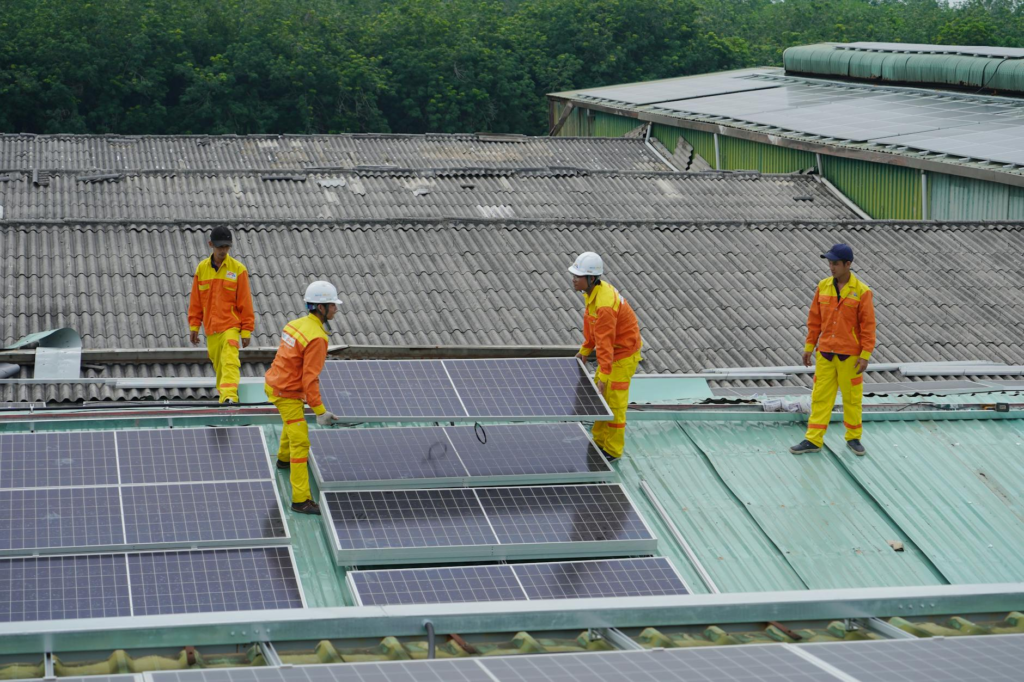
- Installation: Work with experienced installers who understand the nuances of integrating panels into custom roof designs.
- Commissioning & Monitoring: Set up performance monitoring to track energy production and maintain system health.
By treating solar as an integral design element from the outset, the final home can achieve a harmonious blend of beauty, performance, and sustainability—hallmarks of the solar modern home design philosophy.
Conclusion
The convergence of cutting‑edge photovoltaic technology and contemporary architectural vision is reshaping how homes are built along Scenic Hwy 30A, in Panama City, and beyond. Embracing a solar modern home design approach delivers tangible benefits—lower energy costs, increased resilience, and a distinctive aesthetic that appeals to today’s environmentally aware buyers. As more developers recognize the value of integrating solar at the design stage, we can expect to see an ever‑growing number of homes that not only look modern but also power themselves with clean, renewable energy.
