

Introduction to Solar Smart Home Integration
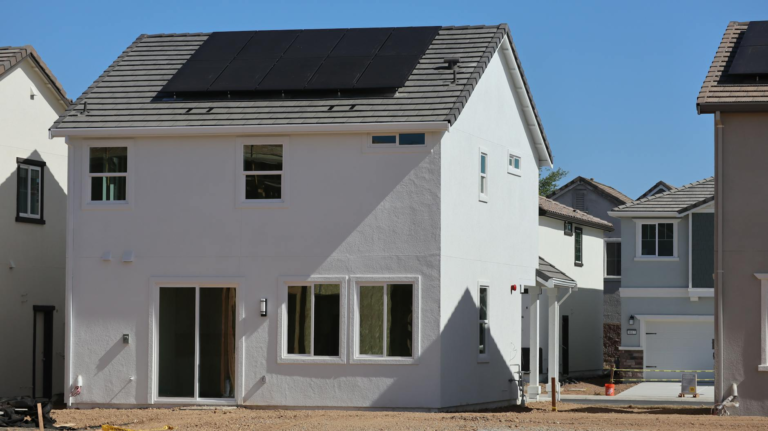
In the past decade, the convergence of renewable energy and home automation has reshaped how homeowners think about comfort, cost savings, and environmental stewardship. When solar panels are paired with a modern smart home, the result is more than just a roof full of electricity – it becomes an intelligent ecosystem that monitors, adapts, and optimizes energy use in real time. This article explores the mechanics, advantages, and practical considerations of solar smart home integration, with a focus on how residents of Panama City and the Scenic Highway 30A corridor are leveraging these technologies to achieve seamless monitoring and control.
Find us here:
Solar Cost Calculator – Florida Panhandle Only
* Estimate based on $3.25 per watt for solar installation.
* For Tesla Powerwall 3 Batteries, $15,000 for the first battery, $12,000 for each additional battery.
* Other variations and types of Batteries are available.
Understanding Solar Photovoltaic Systems
Solar photovoltaic (PV) panels convert sunlight into direct current (DC) electricity through the photoelectric effect. The DC power is then routed through an inverter, which transforms it into alternating current (AC) suitable for household appliances. Modern PV installations often include micro‑inverters or power optimizers, which enhance performance by allowing each panel to operate at its maximum power point independently. The generated electricity can be used on‑site, stored in batteries, or fed back into the grid, depending on the system design and local regulations.
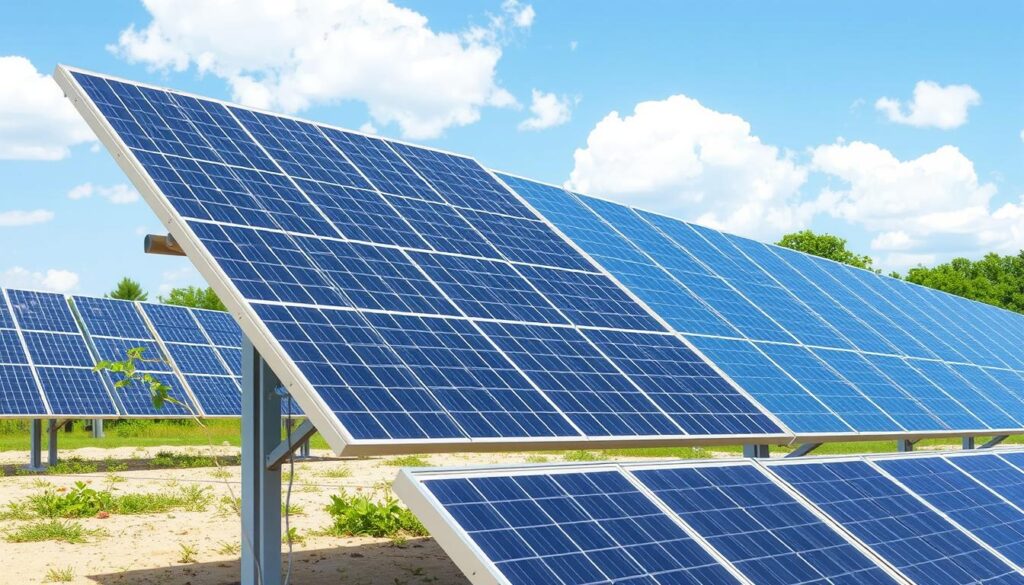
Key performance metrics for solar panels include watt‑peak (Wp) rating, efficiency, temperature coefficient, and degradation rate. When planning a solar smart home integration, understanding these specifications helps homeowners match the solar array’s output with the energy demands of their automated devices, lighting, HVAC, and entertainment systems.
What Defines a Modern Smart Home?
A smart home employs interconnected devices—such as thermostats, lighting controls, security cameras, and voice assistants—that communicate via Wi‑Fi, Zigbee, Z‑Wave, or Thread protocols. Central hubs or cloud‑based platforms orchestrate these devices, allowing users to create scenes, set schedules, and receive real‑time alerts through mobile apps or voice commands. The hallmark of a modern smart home is its ability to gather data, learn patterns, and make autonomous decisions that improve comfort, safety, and energy efficiency.
When solar generation is added to this mix, the smart home can dynamically adjust consumption based on real‑time production, reducing reliance on the utility grid and lowering electricity bills. This synergy is the essence of solar smart home integration.
Benefits of Solar Smart Home Integration
Integrating solar panels with a smart home delivers several tangible benefits:
- Real‑time energy monitoring that shows exactly how much solar power is being used versus stored or exported.
- Automated load shifting, where high‑energy appliances such as water heaters or EV chargers operate when solar production peaks.
- Enhanced battery management, extending battery life by avoiding deep discharges.
- Improved grid interaction, allowing homeowners to participate in demand‑response programs and earn credits.
- Greater resilience during outages, as smart controls can isolate critical circuits and prioritize battery backup.
For residents of Panama City, where sunshine is abundant year‑round, these advantages translate into noticeable cost reductions and a smaller carbon footprint. Along Scenic Highway 30A, homeowners appreciate the aesthetic integration of solar canopies with coastal‑style architecture, while still enjoying the convenience of voice‑controlled lighting and climate systems.
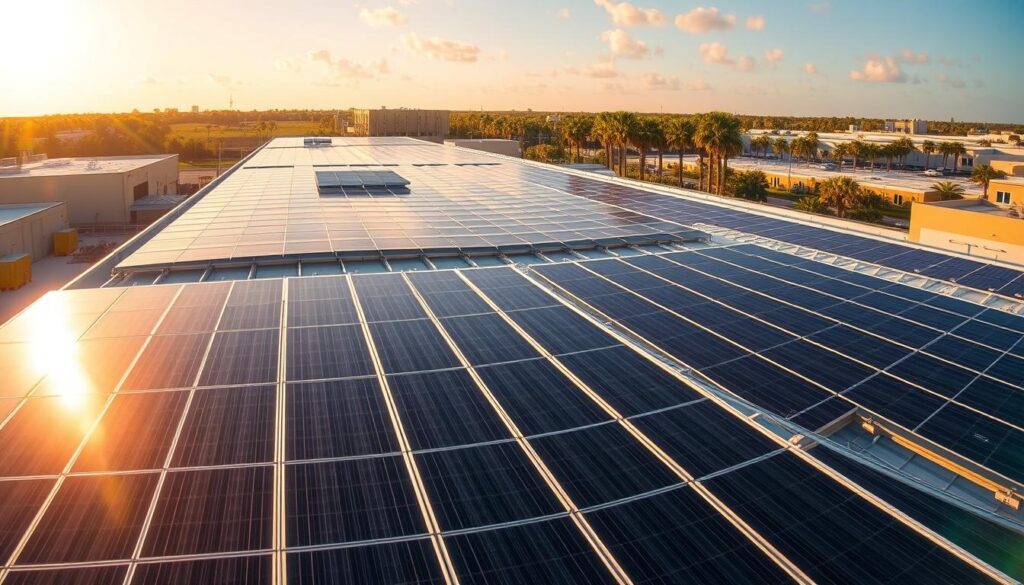
Core Components of Solar Smart Home Integration
Successful integration hinges on several hardware and software elements that must communicate reliably. Below is a concise list of the most critical components:
- Solar Array and Inverter: The primary source of clean electricity, often equipped with communication protocols (e.g., Modbus, SunSpec) for data export.
- Energy Storage (Battery System): Provides backup power and enables load shifting; typically includes a battery management system (BMS) with API access.
- Smart Home Hub or Controller: Acts as the central brain, aggregating data from the inverter, battery, and other IoT devices.
- Smart Switches and Relays: Allow automated control of high‑power loads based on solar output.
- Monitoring Software or Cloud Platform: Visual dashboards, alerts, and analytics that tie everything together.
How the Integration Works: A Step‑by‑Step Overview
Below is a simplified workflow that illustrates how solar smart home integration operates on a daily basis:
- 1. Data Acquisition: The inverter continuously reports DC voltage, AC output, and panel temperature to the smart hub via a secure API.
- 2. Energy Forecasting: Using weather data and historical production patterns, the system predicts solar generation for the next few hours.
- 3. Load Prioritization: The hub evaluates which appliances can be powered by the forecasted solar output (e.g., pool pump, HVAC, EV charger).
- 4. Automated Scheduling: Smart switches turn on prioritized loads when solar production exceeds a predefined threshold, while non‑essential devices are deferred.
- 5. Battery Management: Excess solar energy charges the battery; the BMS communicates state‑of‑charge (SoC) to the hub, which decides when to draw from the battery versus the grid.
- 6. Grid Interaction: If production falls short, the system imports power; if excess remains, it exports to the utility, often earning net‑metering credits.
This loop repeats continuously, ensuring that the home consumes as much of its own solar power as possible while maintaining comfort and safety.
Monitoring and Automation Tools Popular in Panama City and Scenic Hwy 30A
Homeowners in the Gulf Coast region favor platforms that combine robust solar data with intuitive smart‑home controls. Some of the most widely adopted solutions include:
- Home Assistant: An open‑source hub that supports a vast array of integrations, including popular inverter brands through MQTT or REST APIs.
- SolarEdge Monitoring: Provides detailed panel performance metrics and can be linked to smart thermostats for demand‑response actions.
- Enphase Enlighten: Offers micro‑inverter data streams that integrate seamlessly with Z‑Wave smart switches.
- EcoStruxure Power Monitoring (Schneider Electric): A commercial‑grade platform that many upscale homes on Scenic Hwy 30A use for enterprise‑level analytics.
These tools typically feature mobile dashboards, voice‑assistant compatibility (Amazon Alexa, Google Assistant), and customizable alerts that notify homeowners of production dips, battery health issues, or abnormal consumption spikes.
Case Study: Solar Smart Home Integration on Scenic Highway 30A
Emily and Carlos Rodriguez recently upgraded their beachfront property on Scenic Highway 30A to a fully integrated solar smart home. Their system consists of a 10 kW solar array, a 13.5 kWh lithium‑ion battery bank, and a Home Assistant hub controlling lighting, pool pumps, and a smart HVAC system. Within six months, they reported a 42 % reduction in their electricity bill and were able to power their electric vehicle entirely from solar during daylight hours.
The key to their success was leveraging real‑time solar data to trigger the pool pump only when production exceeded 5 kW, and using the battery to store surplus energy for evening use. Their experience illustrates how solar smart home integration can be tailored to the lifestyle and climate of the Gulf Coast, delivering both financial and environmental rewards.
Choosing the Right System for Your Home
Selecting a solar smart home integration solution involves evaluating several factors:
- Roof Orientation and Shading: Optimal panel placement maximizes production, which directly impacts the effectiveness of automation.
- Energy Consumption Profile: Identify peak usage periods and high‑draw appliances to prioritize in the automation logic.
- Compatibility with Existing Smart Devices: Ensure that your chosen inverter or battery system offers open APIs or native integrations with your preferred hub.
- Local Incentives and Net‑Metering Policies: Panama City and the 30A corridor have specific rebates for solar installations that can affect ROI calculations.
- Scalability: Choose components that allow future expansion, such as adding more panels or integrating additional smart sensors.
Consulting with a certified solar installer who understands both renewable energy and home automation will streamline the design process and help avoid costly mismatches.
Comparative Overview of Popular Inverter‑to‑Hub Integrations
| Inverter Brand | Native Smart‑Home Integration | API Access | Typical Use Case |
|---|---|---|---|
| SolarEdge | Home Assistant (via Modbus) | REST & MQTT | Mid‑size residential with battery backup |
| Enphase | Apple HomeKit & Z‑Wave bridges | REST | Micro‑inverter setups on shaded roofs |
| Fronius | Google Home via third‑party bridge | Modbus TCP | High‑output systems for large homes |
The table above highlights how different inverter manufacturers expose data to smart‑home platforms. Homeowners should match these capabilities with their preferred automation ecosystem to achieve a smooth solar smart home integration.
Future Trends Shaping Solar Smart Home Integration
As technology evolves, several emerging trends are set to deepen the synergy between solar power and smart homes:
- AI‑Driven Energy Forecasting: Machine‑learning models will predict solar output with greater accuracy, enabling pre‑emptive load shifting.
- Blockchain Energy Trading: Homeowners could sell excess solar energy directly to neighbors, creating micro‑grids managed by smart contracts.
- Unified Standards (Matter): The upcoming Matter protocol aims to simplify device interoperability, reducing integration friction.
- Advanced Battery Chemistry: Solid‑state batteries will offer higher energy density and longer lifespans, making backup power more reliable.
Adopting these innovations early can future‑proof a solar smart home integration, ensuring that the system remains efficient and adaptable for years to come.
Conclusion
Solar smart home integration transforms a conventional residence into a responsive, energy‑efficient sanctuary. By coupling photovoltaic generation with intelligent automation, homeowners in Panama City and along Scenic Highway 30A are enjoying lower utility bills, greater resilience, and a tangible contribution to sustainability. Whether you are starting from scratch or retrofitting an existing setup, focusing on compatible hardware, robust monitoring, and scalable automation will ensure that your solar investment delivers maximum benefit for the long term.
