



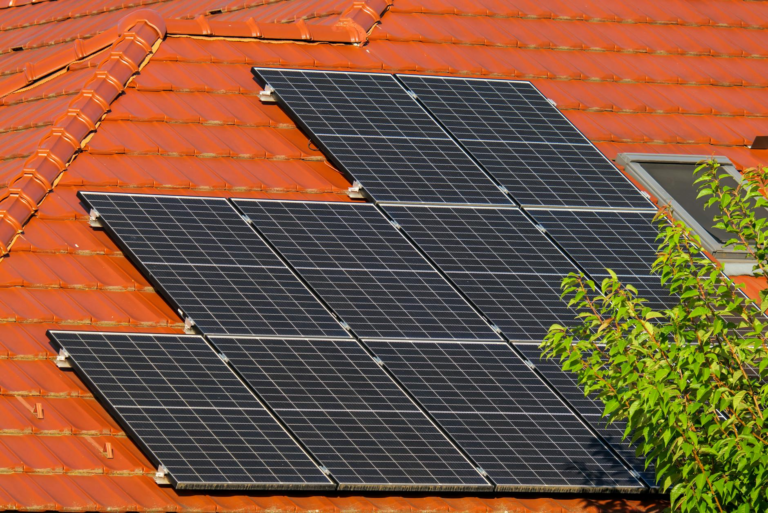
Introduction to Coastal Sustainability and Solar Power in Florida
Florida’s coastline stretches for more than 1,300 miles, encompassing vibrant communities, fragile ecosystems, and a booming tourism industry. As sea levels rise and storm intensity increases, residents and policymakers are seeking resilient solutions that protect both the environment and the local economy. One of the most promising strategies is the integration of renewable energy, specifically solar power, into the fabric of coastal living. By adopting solar installations, coastal towns can reduce their carbon footprint, lower energy costs, and create a more sustainable future. This article explores how solar technology supports coastal sustainability solar florida initiatives, highlights real‑world examples such as Scenic Highway 30A, and offers practical guidance for homeowners, businesses, and local governments eager to join the clean‑energy movement.
Find us here:
Solar Cost Calculator – Florida Panhandle Only
* Estimate based on $3.25 per watt for solar installation.
* For Tesla Powerwall 3 Batteries, $15,000 for the first battery, $12,000 for each additional battery.
* Other variations and types of Batteries are available.
Why Coastal Sustainability Matters for Florida
Coastal sustainability is more than an environmental buzzword; it is a critical framework for preserving the natural and economic health of Florida’s shoreline. The state’s beaches attract millions of visitors each year, generating billions in revenue for hotels, restaurants, and recreational businesses. However, these same attractions are vulnerable to erosion, saltwater intrusion, and habitat loss caused by climate change. Sustainable practices—such as protecting dunes, restoring mangroves, and reducing greenhouse‑gas emissions—help mitigate these threats. Solar energy plays a pivotal role by providing a clean, abundant power source that does not emit pollutants or consume water, making it an ideal fit for the delicate balance required in coastal regions.
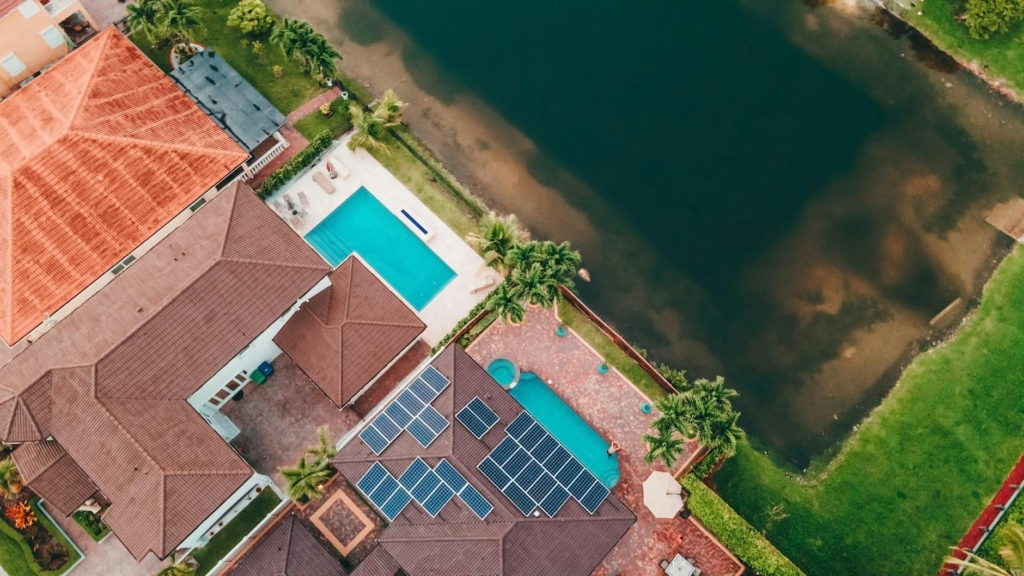
The Unique Challenges of Florida’s Shoreline
Florida’s coastal zones face a set of unique challenges that differentiate them from inland areas. First, the high humidity and salt‑laden air can accelerate corrosion of traditional energy infrastructure, leading to higher maintenance costs and shorter equipment lifespans. Second, the frequent exposure to hurricanes and tropical storms demands resilient power systems that can quickly restore electricity after outages. Third, the tourism‑driven economy relies on reliable energy for hotels, restaurants, and entertainment venues, making power reliability a top priority. Solar installations, particularly those designed with corrosion‑resistant materials and robust mounting systems, directly address these challenges, offering a durable and low‑maintenance solution that aligns with the goals of coastal sustainability solar florida efforts.
How Solar Energy Addresses Coastal Challenges
Solar power provides several advantages that make it especially suitable for Florida’s coastal communities. Photovoltaic panels convert sunlight—abundant in the Sunshine State—into electricity without emitting carbon dioxide, helping to curb the very climate forces that threaten sea‑level rise. Moreover, solar systems can be installed on rooftops, parking structures, and even floating platforms, reducing the need for land‑intensive power plants that could disrupt natural habitats. Advanced solar technologies, such as bifacial panels and micro‑inverters, increase energy yield even on partially shaded roofs, which are common in densely built coastal towns. By decentralizing power generation, solar reduces reliance on a centralized grid that can be vulnerable during extreme weather events, thereby enhancing energy resilience for residents and businesses alike.
Economic Benefits for Coastal Towns
Beyond environmental advantages, solar installations deliver significant economic benefits to coastal municipalities. Lower electricity bills free up household income, allowing families to spend more on local goods and services. For businesses, reduced operating costs improve profitability and can attract new investment. Municipalities that adopt solar on public buildings, streetlights, and water treatment facilities often see a reduction in utility expenses, freeing budgetary resources for community projects such as beach clean‑ups, park improvements, and educational programs. Additionally, the solar industry creates jobs ranging from system design and installation to maintenance and sales, providing a steady source of employment that aligns with the region’s commitment to sustainable development.
Environmental Impact: Protecting Marine and Terrestrial Ecosystems
Traditional fossil‑fuel power plants contribute to air and water pollution, which can harm both marine life and coastal ecosystems. By shifting to solar, coastal communities can dramatically cut emissions of nitrogen oxides, sulfur dioxide, and particulate matter—substances that contribute to acid rain and water quality degradation. Cleaner air also benefits human health, reducing rates of asthma and other respiratory conditions common in humid, coastal environments. Furthermore, solar farms can be designed to coexist with native vegetation, providing habitats for pollinators and birds. When combined with other sustainable practices such as rainwater harvesting and energy‑efficient appliances, solar becomes a cornerstone of a holistic approach to coastal sustainability solar florida that safeguards the natural beauty and biodiversity of the Gulf and Atlantic coasts.
Community Spotlight: Scenic Highway 30A
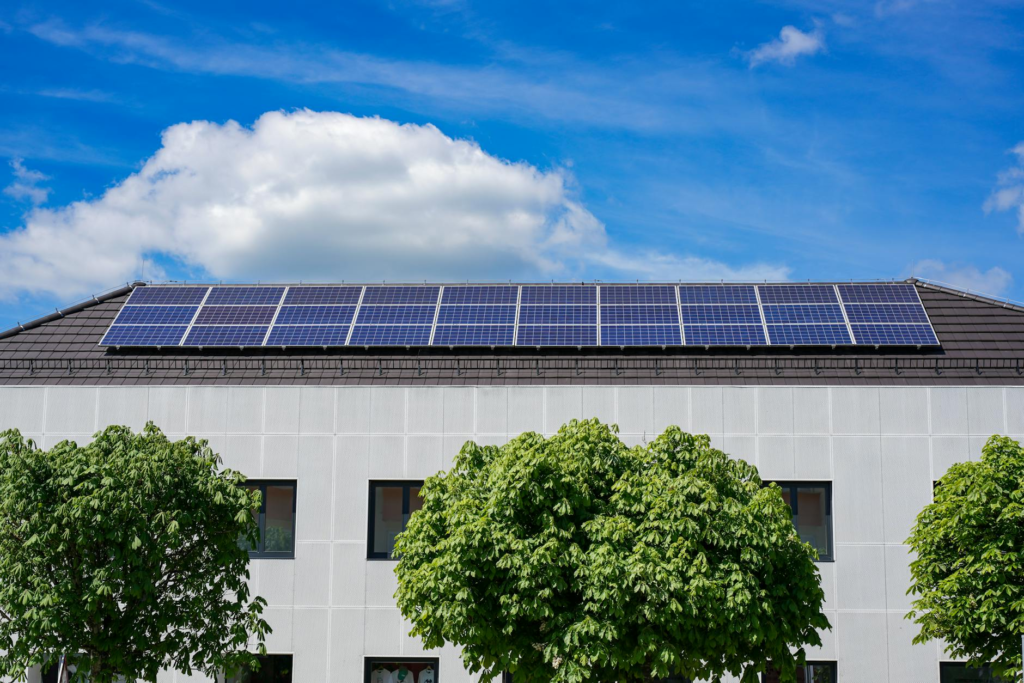
Scenic Highway 30A, a stretch of coastal road renowned for its pristine beaches and artistic communities, illustrates how solar can transform a region’s sustainability profile. Over the past five years, local businesses, homeowners, and the county government have collectively installed more than 12 megawatts of solar capacity. This effort has resulted in a 35 % reduction in the area’s overall carbon emissions and saved residents an estimated $2.5 million in electricity costs. Community solar gardens allow renters and property owners without suitable rooftops to purchase a share of a larger solar array, ensuring that the benefits of renewable energy are accessible to all. The success of 30A serves as a model for other Florida coastal towns seeking to integrate solar into their sustainability strategies.
Steps to Implement Solar Projects in Coastal Areas
- Conduct a site assessment to evaluate sun exposure, roof condition, and shading.
- Engage a certified solar installer familiar with coastal corrosion‑resistant equipment.
- Apply for state and local incentives, including the Florida Solar Energy System Incentives program.
- Secure financing through loans, leases, or community solar subscriptions.
- Obtain necessary permits, ensuring compliance with coastal construction regulations.
- Install the system with proper mounting to withstand high winds and salt spray.
- Monitor performance and maintain panels regularly to preserve efficiency.
Financing Options and Incentives for Solar Adoption
Florida offers a range of financial incentives that make solar projects more affordable for coastal residents. The federal Investment Tax Credit (ITC) provides a 30 % tax credit on qualified solar installations, while the state’s Solar and CHP (Combined Heat and Power) Rebate Program offers additional cash rebates for residential and commercial systems. Many utilities also provide net‑metering agreements, allowing homeowners to sell excess electricity back to the grid at retail rates. For those without sufficient capital, power purchase agreements (PPAs) and solar leases enable zero‑upfront installations with predictable monthly payments. By leveraging these incentives, coastal communities can accelerate the transition to renewable energy, reinforcing the goals of coastal sustainability solar florida initiatives.
Policy Landscape Supporting Solar in Florida
The policy environment in Florida is increasingly favorable to solar development. Recent legislation has streamlined permitting processes for solar projects, reduced interconnection wait times, and expanded net‑metering caps. County governments along the coast are adopting renewable‑energy ordinances that require new commercial developments to include a percentage of on‑site solar generation. Additionally, the Florida Department of Environmental Protection collaborates with coastal planning agencies to incorporate solar energy into resilience plans that address sea‑level rise and storm surge. These policy measures create a supportive framework that encourages both private and public stakeholders to invest in solar, reinforcing the broader agenda of coastal sustainability solar florida.
Future Trends: Emerging Solar Technologies for Coastal Living
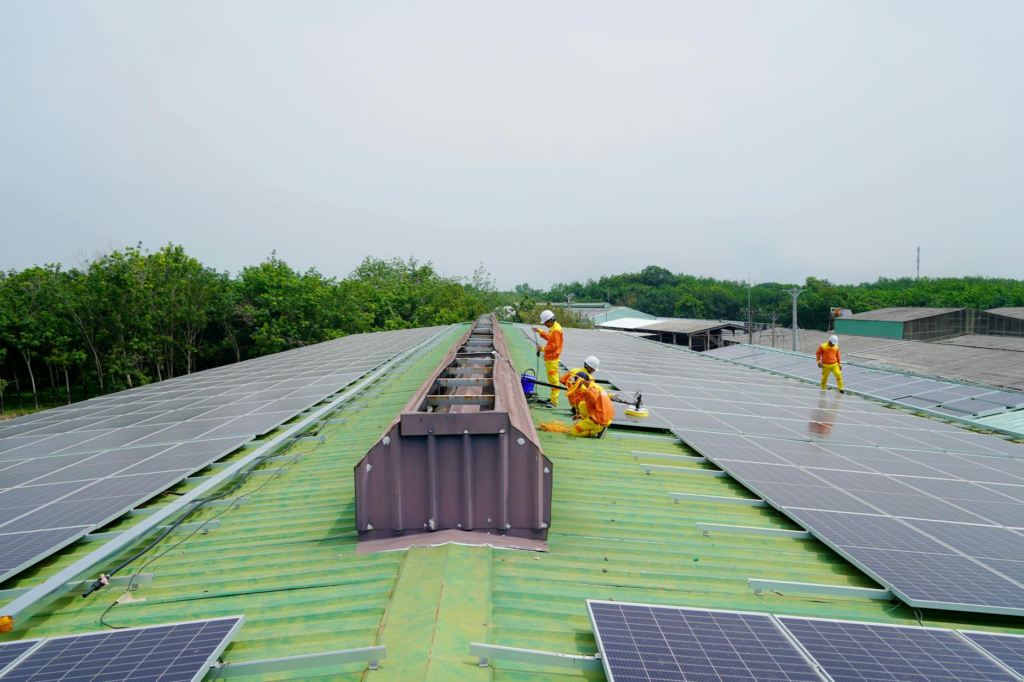
Innovation continues to expand the possibilities for solar in coastal environments. Bifacial panels, which capture sunlight on both sides, increase energy yield on reflective surfaces such as sand and water. Floating solar arrays, anchored offshore, can generate power while reducing water evaporation from reservoirs and limiting algae growth. Thin‑film solar cells, known for their flexibility and lightweight properties, can be integrated into building façades and even seawalls, turning infrastructure into power generators. Energy storage solutions, including lithium‑ion and emerging solid‑state batteries, enable coastal communities to store excess solar energy for use during nighttime or storm‑induced outages. These emerging technologies promise to enhance the effectiveness of coastal sustainability solar florida strategies for years to come.
Solar vs. Traditional Energy: A Quick Comparison
| Aspect | Solar Energy | Traditional Fossil Fuels |
|---|---|---|
| Carbon Emissions | Zero during operation | High CO₂ and pollutants |
| Operating Costs | Low after installation | Variable, often high |
| Resilience to Storms | Distributed, can be hardened | Centralized, vulnerable |
| Impact on Coastal Ecosystems | Minimal, can be integrated | Negative, habitat disruption |
Practical Tips for Homeowners on the Gulf and Atlantic Coasts
Homeowners interested in joining the solar movement can start with a few simple steps. First, assess your roof’s orientation; south‑facing roofs capture the most sunlight in the northern hemisphere. Second, consider the material of your roof; metal and tile are ideal for solar mounts, while older shingles may need reinforcement. Third, explore community solar options if your property isn’t suitable for rooftop panels. Fourth, review your utility’s net‑metering policy to understand how excess generation will be credited. Finally, schedule a professional site survey to obtain a detailed proposal that includes projected savings, payback period, and warranty information. By taking these actions, residents can contribute to the broader mission of coastal sustainability solar florida while enjoying lower energy bills and increased property value.
In summary, solar energy is a powerful tool for advancing coastal sustainability across Florida’s shoreline communities. From reducing greenhouse‑gas emissions and protecting marine ecosystems to delivering economic savings and enhancing grid resilience, the benefits are clear and compelling. As more towns like Scenic Highway 30A demonstrate the tangible advantages of solar adoption, the pathway toward a cleaner, more resilient coastal future becomes increasingly achievable. By embracing solar, Florida’s coastal residents can safeguard their homes, preserve the natural beauty of their beaches, and set a leading example for sustainable living worldwide.
