



The Surge in Solar Adoption Nationwide
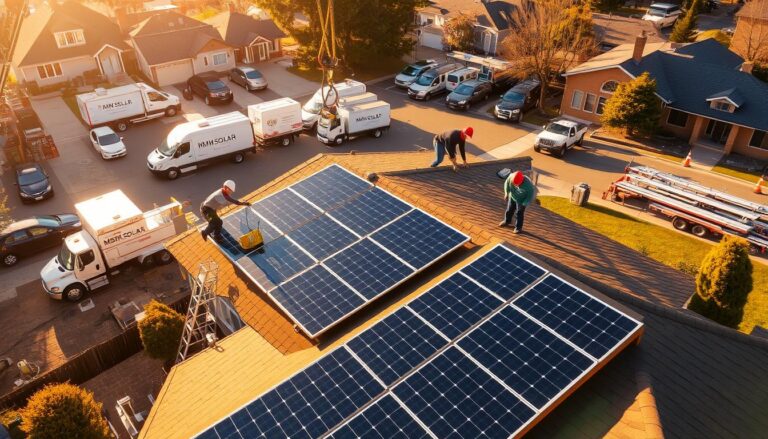
Across the United States, residential and commercial solar installations are climbing at a pace that outstrips most prior forecasts. Analysts point to a confluence of falling panel costs, supportive policy frameworks, and heightened consumer awareness of climate change as the primary catalysts. In the past five years, the United States has added more gigawatts of solar capacity than it did in the previous two decades combined, signaling a transformative shift in the nation’s energy landscape. This momentum is not limited to traditionally sunny states; even regions with more temperate climates are seeing record growth as technology improves and financing options become more accessible.
Find us here:
Solar Cost Calculator – Florida Panhandle Only
* Estimate based on $3.25 per watt for solar installation.
* For Tesla Powerwall 3 Batteries, $15,000 for the first battery, $12,000 for each additional battery.
* Other variations and types of Batteries are available.
Key Drivers Behind the Acceleration
The rapid rise in solar adoption can be traced to several interlocking forces. First, the cost of photovoltaic (PV) modules has dropped by more than 80% since 2010, making solar projects financially viable for a broader segment of the population. Second, state and local governments have introduced incentives such as tax credits, rebates, and net‑metering policies that directly reduce the upfront expense for homeowners and businesses. Third, the growing awareness of energy independence—especially in the wake of recent grid reliability concerns—has motivated many to invest in self‑generated power. Finally, innovative financing models, including power purchase agreements (PPAs) and solar loans, have lowered the barrier to entry, allowing consumers to adopt solar with little to no out‑of‑pocket costs.
- Significant decline in PV module pricing.
- Robust state and local incentives.
- Increased consumer focus on energy resilience.
- Flexible financing options like PPAs and loans.
- Improved panel efficiency and longer warranties.
Why the Florida Panhandle Stands Out
The Florida Panhandle, encompassing coastal cities such as Pensacola, Destin, and Panama City, is emerging as a micro‑cosm of the national solar boom. While the broader Sunshine State has long been synonymous with solar, the panhandle region is now experiencing a distinct surge that reflects both its unique climate and proactive local policies. Residents are drawn to the high solar irradiance that characterizes the Gulf Coast, while municipalities are rolling out streamlined permitting processes and targeted rebate programs. As a result, the phrase solar adoption trends florida panhandle is appearing more frequently in industry reports, underscoring the area’s rapid transformation.
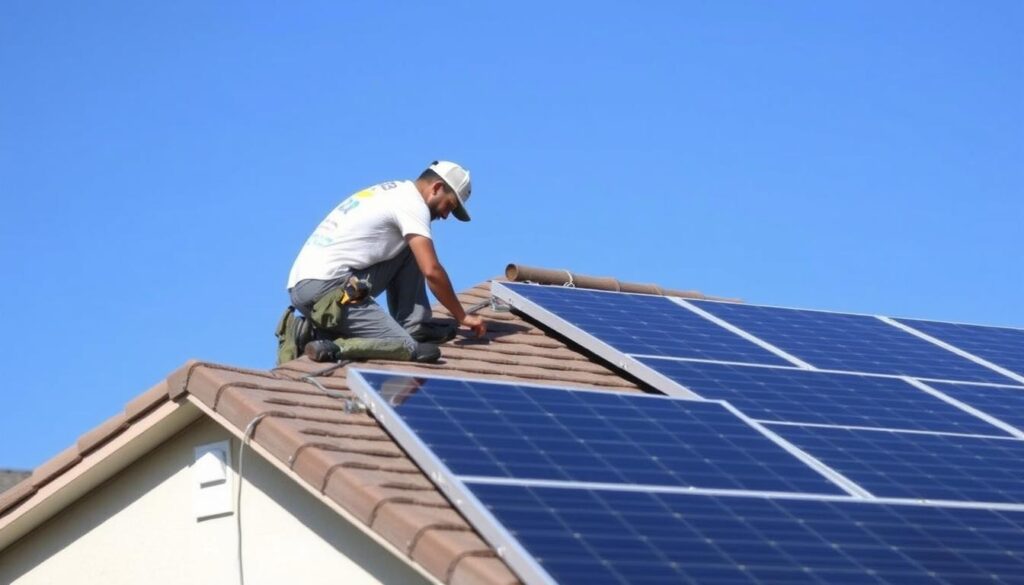
In Pensacola, the city council recently approved a “Solar Ready” building code amendment that simplifies the integration of rooftop solar for new construction. Destin’s tourism‑driven economy is capitalizing on solar to power hotels and beachfront venues, reducing operational costs and appealing to eco‑conscious travelers. Meanwhile, Panama City has launched a community solar garden initiative, allowing renters and property owners without suitable roofs to purchase shares in a shared solar array. These localized efforts collectively illustrate how the solar adoption trends florida panhandle are being propelled by tailored strategies that address the specific needs of each community.
- Pensacola: “Solar Ready” building code and expedited permits.
- Destin: Incentives for hospitality sector to install rooftop systems.
- Panama City: Community solar garden program for renters.
- Regional utility: Net‑metering caps lifted to accommodate higher generation.
Data Snapshot: Growth by Region
| Region | Average Annual Solar Capacity Growth (% YoY) |
|---|---|
| Florida Panhandle | 28% |
| Pacific Northwest | 22% |
| Mid‑Atlantic | 19% |
| Southwest Desert States | 15% |
The table above highlights the remarkable pace at which the Florida Panhandle is outpacing many other regions. A 28% year‑over‑year increase in installed capacity signals not only strong consumer demand but also the effectiveness of local policy measures. When compared to the Pacific Northwest’s 22% growth—a region traditionally celebrated for its renewable energy leadership—the panhandle’s performance is especially noteworthy given its historically slower adoption rates.
Economic Impact on Local Communities
Beyond the environmental advantages, the surge in solar installations is delivering tangible economic benefits to the Florida Panhandle. The influx of solar projects has spurred job creation across multiple sectors, from manufacturing and installation to sales and maintenance. According to recent labor statistics, solar‑related employment in the panhandle has grown by more than 35% over the past three years, outpacing the national average for clean‑energy jobs.

Job Creation and Workforce Development
Local technical colleges and trade schools have responded by expanding curricula that focus on photovoltaic system design, electrical safety, and project management. Partnerships between these educational institutions and solar contractors enable apprenticeships that provide hands‑on experience, ensuring a pipeline of skilled workers ready to meet the rising demand. Moreover, the rise in solar jobs contributes to higher median wages in the region, supporting broader economic stability.
Reduced Energy Costs for Residents
Homeowners who install solar panels are reporting average electricity bill reductions of 40% to 60%, depending on system size and local utility rates. These savings translate into increased disposable income, which can be redirected toward other local goods and services. In addition, businesses that adopt solar are able to lock in predictable energy costs, shielding themselves from volatile wholesale electricity markets and enhancing long‑term financial planning.
Challenges and How They Are Being Overcome
Despite the encouraging trajectory, solar adoption does encounter obstacles that could slow progress if left unaddressed. Common challenges include grid interconnection delays, limited access to financing for low‑income households, and occasional community resistance due to aesthetic concerns. However, stakeholders across the Florida Panhandle are actively developing solutions to mitigate these issues.
- Streamlined interconnection protocols introduced by regional utilities.
- Low‑interest solar loans and grant programs targeting underserved neighborhoods.
- Community outreach campaigns highlighting the visual design options for modern solar installations.
Future Outlook: What to Expect in the Next Five Years
Looking ahead, the momentum behind solar adoption is expected to intensify. Market analysts forecast that the United States will add more than 200 gigawatts of new solar capacity by 2030, a figure that would dramatically reshape the national energy mix. In the Florida Panhandle, continued investment in solar infrastructure, coupled with evolving state policies, suggests that the region will maintain its position as a leading growth market.
Technological Innovations on the Horizon
Emerging technologies such as bifacial panels, perovskite cells, and integrated energy storage solutions are poised to further reduce the levelized cost of electricity (LCOE) from solar. These advancements will make solar projects more attractive to both residential and commercial customers, especially in areas like the panhandle where space constraints and aesthetic considerations are prevalent. Additionally, smart‑grid technologies will enable more efficient distribution of locally generated solar power, enhancing grid resilience.
Policy Landscape and Federal Support
Federal initiatives, including the extension of the Investment Tax Credit (ITC) and increased funding for community solar projects, will bolster the growth trajectory. State legislators in Florida are also evaluating new measures to expand net‑metering caps and introduce performance‑based incentives. Together, these policy actions create a favorable environment that will sustain the upward trend of solar adoption across the panhandle and beyond.
In summary, the convergence of cost reductions, supportive policies, and community engagement is driving a pronounced acceleration in solar adoption trends across the nation. The Florida Panhandle, with its vibrant coastal cities and proactive local governments, exemplifies how targeted strategies can translate into rapid growth. As technology continues to evolve and financing becomes ever more accessible, the next five years promise to solidify solar’s role as a cornerstone of the region’s energy future.
