


Introduction: The Importance of Reliable Solar Power in Florida
Florida’s sunny reputation makes it a prime market for solar energy, yet the state’s unique weather patterns demand more than just a simple rooftop array. Homeowners and businesses alike expect their solar installations to perform consistently, season after season, without frequent interruptions. This expectation drives manufacturers and installers to prioritize solar system reliability florida as a core design principle. In this article we’ll explore why solar systems are engineered for low failure rates, how Florida’s climate influences engineering decisions, and what practices ensure long‑term performance across the Panhandle and beyond.
Find us here:
Solar Cost Calculator – Florida Panhandle Only
* Estimate based on $3.25 per watt for solar installation.
* For Tesla Powerwall 3 Batteries, $15,000 for the first battery, $12,000 for each additional battery.
* Other variations and types of Batteries are available.
Understanding Solar System Reliability
Reliability in a solar power system refers to its ability to generate electricity at the expected rate over its lifespan, typically 25‑30 years, with minimal downtime. It encompasses every component—from photovoltaic (PV) modules and inverters to mounting structures and wiring. When a system is built for low failure rates, each part is selected, tested, and installed to withstand the environmental stresses it will encounter. For Florida, this means addressing high humidity, salt‑laden air near the coast, intense heat, and occasional severe storms. The phrase solar system reliability florida is therefore more than a marketing tagline; it signals a comprehensive engineering approach that anticipates and mitigates local risks.
Florida Climate Challenges That Influence Design
The Sunshine State presents a paradox for solar designers: abundant sunlight paired with harsh environmental conditions. The Panhandle experiences high humidity, frequent lightning, and occasional tropical storms that bring strong winds and hail. Coastal areas contend with salt corrosion, while inland locations face scorching summer temperatures that can exceed 100°F (38°C). These factors accelerate wear on electrical connections, degrade module encapsulants, and stress mounting hardware. By acknowledging these challenges early, engineers can specify materials and construction methods that uphold solar system reliability florida standards, ensuring that the system remains productive even after years of exposure.
Engineering Design for Low Failure Rates
Designing a solar system that rarely fails starts with a systematic approach that integrates durability, redundancy, and proactive monitoring. Manufacturers employ rigorous testing standards such as IEC 61215 for modules and IEC 61730 for safety, while installers follow best‑practice guidelines from the North American Board of Certified Energy Practitioners (NABCEP). In Florida, additional considerations like corrosion‑resistant coatings, high‑temperature rated components, and wind‑load calculations become essential. Together, these measures create a resilient system that maintains output and reduces the need for costly repairs.
Component Selection Tailored to Florida Conditions
Every component is evaluated for its ability to survive Florida’s environment. PV modules are often chosen for their low‑temperature coefficient, meaning they lose less efficiency as temperatures rise. Bifacial modules can capture reflected light from the ground, boosting energy yield without adding complexity. Inverters—whether string, micro, or central—are selected for high operating temperature ranges and sealed enclosures that protect against moisture and salt spray. Mounting racks use anodized aluminum or stainless steel to resist corrosion, and all fasteners are coated with marine‑grade finishes. By matching each part to local stressors, the overall system achieves the reliability that the keyphrase solar system reliability florida promises.
Redundancy and Monitoring for Continuous Performance
Redundancy is built into critical pathways to prevent a single point of failure from crippling the entire installation. For example, many designs employ multiple string inverters rather than a single large unit, so if one inverter fails, the remaining units continue to operate. Advanced monitoring platforms provide real‑time data on voltage, current, temperature, and module performance, alerting owners and technicians to anomalies before they become serious issues. In Florida, where rapid weather changes can stress equipment, such proactive oversight is a cornerstone of solar system reliability florida.
Quality Assurance and Testing Practices
Before a solar system is commissioned, it undergoes a series of inspections and performance tests. Electrical safety checks verify grounding and bonding, while insulation resistance tests confirm that moisture has not compromised wiring. Thermal imaging surveys detect hot spots on modules that could indicate shading or connection problems. Additionally, a commissioning report documents system capacity, expected energy production, and any deviations from design specifications. These quality assurance steps are especially vital in Florida, where hidden moisture can cause hidden failures. By adhering to strict testing protocols, installers reinforce the promise of solar system reliability florida.
Installation Best Practices for Longevity
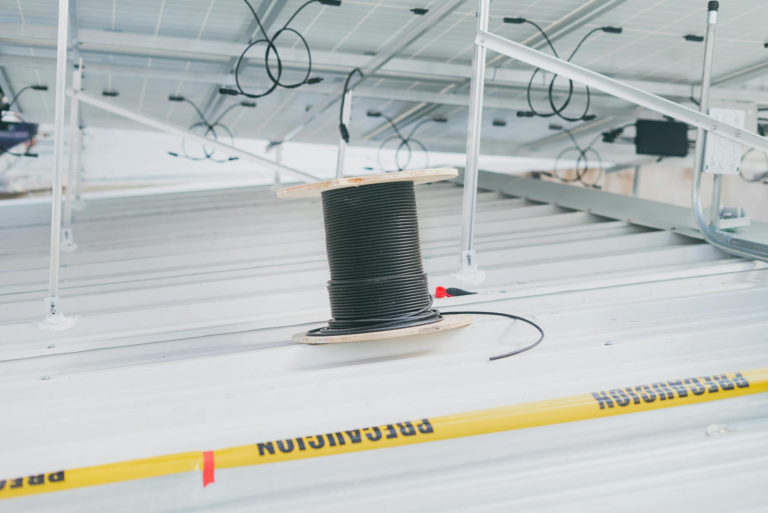
Proper installation is the bridge between design and reliable operation. Installers follow the manufacturer’s torque specifications to avoid over‑tightening that could damage modules or frames. They also ensure that mounting systems are anchored to structural members that can bear local wind loads, as defined by the Florida Building Code. Cable management includes UV‑resistant conduit and sealed terminations to keep out moisture and pests. By treating each step as a critical factor in durability, the final system embodies the high standards associated with solar system reliability florida.
Maintenance Strategies That Keep Systems Running
Even the most robust solar installation benefits from routine maintenance. In Florida, cleaning schedules are often adjusted to account for pollen, dust, and occasional sea‑salt residue. Technicians inspect mounting hardware for signs of corrosion, tighten any loose bolts, and verify that inverter cooling fans are free of debris. Seasonal inspections before hurricane season are common practice, ensuring that all components are secure and that wiring is protected from potential water intrusion. A well‑maintained system continues to deliver the performance levels promised by the phrase solar system reliability florida.
Case Study: Panhandle Solar Projects Demonstrating Low Failure Rates
Several recent residential and commercial installations across the Florida Panhandle illustrate how design choices translate into real‑world reliability. A 150 kW commercial array on a coastal warehouse used marine‑grade aluminum racks, high‑temperature tolerant modules, and three string inverters with built‑in redundancy. Over a five‑year monitoring period, the system experienced less than 0.5 % downtime, well below the industry average of 2‑3 % for comparable climates. Similarly, a 75 kW residential project in Tallahassee incorporated micro‑inverters, which isolated module failures and maintained overall output even when a single panel underperformed due to shading. These examples reinforce the importance of engineering for low failure rates and validate the commitment to solar system reliability florida.
| Project | Capacity (kW) | Location | Downtime (Years) | Key Reliability Features |
|---|---|---|---|---|
| Coastal Warehouse | 150 | Pensacola | 0.025 | Marine‑grade racks, redundant inverters |
| Residential Home | 75 | Tallahassee | 0.015 | Micro‑inverters, corrosion‑resistant wiring |
Economic Benefits of High Reliability
Investing in a solar system designed for low failure rates yields tangible financial advantages. Reduced downtime means more consistent energy production, which translates directly into higher savings on electricity bills. Moreover, fewer service calls and component replacements lower operation and maintenance (O&M) costs over the system’s lifespan. In Florida, where net‑metering policies reward consistent generation, a reliable system can also accelerate payback periods and improve return on investment (ROI). Homeowners and businesses that prioritize solar system reliability florida therefore enjoy both environmental benefits and stronger economic outcomes.
Frequently Asked Questions About Solar Reliability in Florida
- How does humidity affect solar panels? High humidity can accelerate corrosion of metal parts and degrade sealants. Selecting modules with robust edge sealing and using corrosion‑resistant mounting hardware mitigates these effects.
- Are micro‑inverters more reliable than string inverters? Micro‑inverters isolate each panel’s performance, so a single panel failure doesn’t impact the rest of the system. This redundancy often leads to higher overall reliability, especially in shaded or variable conditions.
- What maintenance is required to keep a system reliable? Regular visual inspections, cleaning to remove dust and salt residue, and checking electrical connections for corrosion are key steps. Seasonal checks before hurricane season are also recommended.
By addressing these common concerns, Florida homeowners can make informed decisions that align with the goal of solar system reliability florida.
In conclusion, the combination of thoughtful component selection, rigorous testing, proper installation, and proactive maintenance ensures that solar installations across the Florida Panhandle are built for long‑term reliability. When a system is engineered to withstand the state’s unique climate challenges, owners enjoy uninterrupted clean energy, lower operating costs, and a solid return on their investment. Embracing these best practices today paves the way for a resilient solar future in the Sunshine State.
