




Understanding the Relationship Between Roof Ventilation and Solar Panel Efficiency
When homeowners in the Gulf Coast region invest in solar energy, they often focus on panel placement, inverter size, and financing options. However, an often‑overlooked factor that can significantly influence the amount of electricity generated is the temperature of the roof surface on which the panels sit. High roof temperatures can raise the operating temperature of photovoltaic (PV) modules, reducing their voltage output and overall efficiency. This is where roof ventilation becomes a critical component of a successful solar installation. Proper roof ventilation not only protects the structural integrity of the home but also plays a direct role in roof ventilation solar performance, ensuring that panels operate closer to their optimal temperature range.
Find us here:
Solar Cost Calculator – Florida Panhandle Only
* Estimate based on $3.25 per watt for solar installation.
* For Tesla Powerwall 3 Batteries, $15,000 for the first battery, $12,000 for each additional battery.
* Other variations and types of Batteries are available.
How Roof Temperature Directly Affects Solar Panel Output
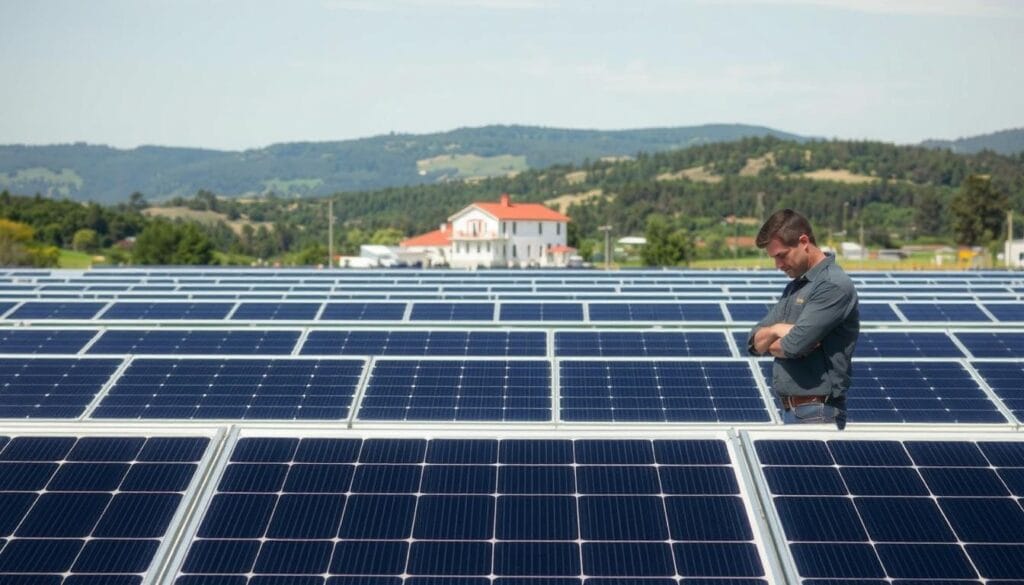
Solar panels are rated under standard test conditions (STC) that assume a cell temperature of 25 °C (77 °F). In reality, panels installed on a hot roof can see cell temperatures 20 °C or more above STC, especially during the peak sun hours common in Pensacola, Crestview, and Tallahassee. As temperature rises, the semiconductor material inside each cell experiences increased resistance, which leads to a drop in voltage while the current remains relatively stable. This voltage loss translates to a measurable decrease in power output—typically around 0.4% to 0.5% for each degree Celsius above the STC baseline. Over the course of a year, this efficiency loss can amount to several hundred kilowatt‑hours, directly impacting the homeowner’s return on investment.
The Role of Roof Ventilation in Managing Operating Temperature
Effective roof ventilation works by allowing cooler air to flow beneath the roof deck, carrying heat away from the attic space and the underside of the roofing material. When the attic temperature is reduced, the roof surface temperature drops accordingly, which in turn lowers the operating temperature of the solar panels mounted on top. This thermal exchange is especially beneficial in hot, humid climates where the roof can act like a solar absorber, heating up to well over 60 °C (140 °F) on a sunny day. By improving roof ventilation solar performance, homeowners can keep panel temperatures closer to the ideal range, preserving both power output and the long‑term reliability of the PV system.
Types of Roof Ventilation Systems
Passive Ventilation
Passive ventilation relies on natural airflow driven by temperature differentials and wind pressure. Common passive solutions include ridge vents, soffit vents, and gable vents. These openings allow cooler outside air to enter at the eaves while warm air escapes through the ridge or other high points. In a well‑designed passive system, the continuous exchange of air can lower attic temperatures by 10 °C to 15 °C (18 °F to 27 °F) compared with an unvented space. For solar installations, this reduction can improve panel efficiency by up to 3%, making passive ventilation a cost‑effective way to boost roof ventilation solar performance.
Powered Attic Fans
Powered attic fans, also known as solar‑powered or electric attic ventilators, actively pull hot air out of the attic. These fans are typically installed near the roof peak and can be wired to the home’s electrical system or run directly off a small solar panel. Because they force air movement regardless of wind conditions, powered fans can achieve larger temperature drops—often 20 °C (36 °F) or more—especially during periods of low natural airflow. While the upfront cost is higher than passive options, the added temperature reduction can translate into noticeable gains in PV output, reinforcing the importance of integrating a well‑planned ventilation strategy for optimal roof ventilation solar performance.
Real‑World Data: Pensacola, Crestview, and Tallahassee
Recent field studies conducted across three Florida cities—Pensacola, Crestview, and Tallahassee—provide concrete evidence of how roof ventilation influences solar panel performance. In each location, researchers installed identical 5 kW PV systems on homes with and without enhanced ventilation. The data showed that homes equipped with a combination of ridge and soffit vents experienced an average increase of 4.2% in annual energy production compared with homes lacking ventilation. When powered attic fans were added to the mix, the performance boost rose to 6.8%. These figures underscore the tangible benefits of addressing roof heat buildup, especially in areas where summer temperatures regularly exceed 35 °C (95 °F).
Practical Steps Homeowners Can Take to Optimize Roof Ventilation
- Inspect existing soffit and ridge vents for blockages or damage; clear debris and repair as needed.
- Consider adding additional soffit vents if the eave area is limited, ensuring a balanced intake‑exhaust ratio.
- Install a solar‑powered attic fan in homes with limited natural airflow or high attic insulation levels.
- Seal any roof penetrations around chimneys, skylights, or vent pipes to prevent unwanted heat leakage.
- Use reflective roof coatings or cool‑roof shingles to reduce heat absorption before it reaches the attic space.
Implementing these measures not only enhances the thermal environment for solar panels but also improves overall home comfort, reduces cooling costs, and extends the lifespan of roofing materials. For residents of the Gulf Coast, where humidity and heat are persistent, taking a proactive approach to roof ventilation solar performance can be a decisive factor in achieving the promised savings from a solar investment.
Common Misconceptions About Roof Ventilation and Solar Efficiency
Many homeowners assume that solar panels themselves provide sufficient shading to keep the roof cool, or that a single vent will solve all heat‑related issues. In reality, panels can act as a heat trap, especially when installed with a low air gap between the panel frame and the roof deck. Without adequate airflow beneath the panels, heat can accumulate, negating the benefits of the panels’ own shading effect. Additionally, over‑ventilation can lead to moisture problems in cooler months, so it’s essential to design a balanced system that considers both summer heat removal and winter moisture control. Understanding these nuances helps ensure that the chosen ventilation strategy truly supports roof ventilation solar performance throughout the year.
Cost‑Benefit Analysis of Upgrading Roof Ventilation
Investing in improved roof ventilation involves an upfront cost, but the long‑term energy savings and extended equipment life often justify the expense. Below is a simplified comparison of typical costs versus expected annual energy gains for a 5 kW residential solar system in the Florida market.
| Ventilation Upgrade | Initial Cost (USD) | Average Annual Energy Gain (kWh) | Estimated Payback Period (Years) |
|---|---|---|---|
| Standard Ridge & Soffit Vents | 1,200 | 300 | 4.5 |
| Powered Attic Fan (Solar‑Powered) | 2,500 | 480 | 5.2 |
| Combined Passive + Powered System | 3,600 | 620 | 5.8 |
These figures illustrate that even the most modest ventilation upgrade can pay for itself within five years, after which the homeowner enjoys higher solar output at no additional cost. Moreover, the reduced heat stress on roof components can delay the need for costly repairs, adding another layer of financial benefit.
Integrating Ventilation Planning Into Your Solar Project
When working with a solar installer, ask about their approach to roof ventilation as part of the site assessment. A thorough evaluation should include:
- Inspection of existing vent locations and airflow pathways.
- Thermal imaging to identify hotspots on the roof surface.
- Recommendations for passive or active ventilation solutions tailored to the home’s architecture.
- Coordination of ventilation work with panel mounting to avoid delays.
By treating roof ventilation as an integral component of the solar design, you ensure that the system operates at peak efficiency from day one. This holistic approach aligns with the growing industry emphasis on “performance‑first” installations, where every factor—from inverter sizing to roof temperature management—is optimized for maximum energy yield.
Conclusion
For homeowners in Pensacola, Crestview, Tallahassee, and similar climates, neglecting roof ventilation can shave significant power off a solar array’s output. By implementing well‑designed passive vents, powered attic fans, or a combination of both, you directly improve roof ventilation solar performance, boosting annual energy production, reducing cooling costs, and extending the life of both the roof and the PV system. A modest investment in ventilation today pays dividends in cleaner, cheaper electricity for years to come.
