



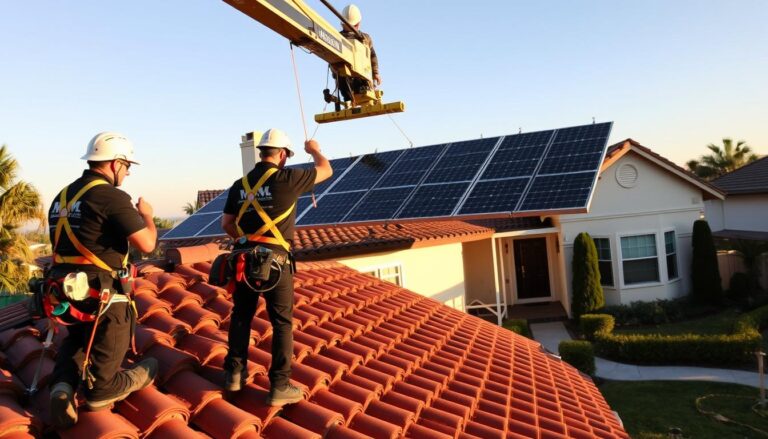
The Florida Panhandle stretches from the emerald waters of the Gulf of Mexico to the pine‑forested interiors near the Alabama border, creating a tapestry of microclimates that can dramatically alter solar energy production. While the sun shines abundantly across the region, subtle differences in humidity, temperature, cloud cover, and wind patterns mean that a solar array in Destin may generate far more kilowatt‑hours than a comparable system in Marianna. Understanding these nuances—collectively known as the microclimate solar florida panhandle effect—is essential for homeowners, installers, and investors who want to maximize return on investment and ensure reliable power year‑round. In this article we’ll explore the scientific drivers behind these variations, compare real‑world data, and offer practical guidance for tailoring photovoltaic (PV) designs to the unique conditions of each microclimate.
Find us here:
Solar Cost Calculator – Florida Panhandle Only
* Estimate based on $3.25 per watt for solar installation.
* For Tesla Powerwall 3 Batteries, $15,000 for the first battery, $12,000 for each additional battery.
* Other variations and types of Batteries are available.
What Is a Microclimate?
A microclimate is a localized atmospheric zone where the climate differs from the surrounding area due to factors such as topography, vegetation, water bodies, and urban development. In the Florida Panhandle, the proximity of the Gulf, the presence of rolling hills, and the transition from coastal dunes to inland hardwood forests each generate distinct temperature ranges, wind regimes, and cloud formation patterns. These small‑scale variations can influence solar irradiance—the amount of sunlight reaching a solar panel—by a few percent, which translates into noticeable differences in energy output over the life of a system. When we talk about microclimate solar florida panhandle dynamics, we are essentially describing how these localized climate quirks shape the performance of solar installations across the region.
Why the Florida Panhandle Is a Study in Contrast
The Panhandle’s geography is a patchwork of coastal plains, river valleys, and modest elevations that create a natural laboratory for solar research. Coastal cities like Destin sit at sea level, surrounded by salty breezes that help clear clouds and keep temperatures moderate. Inland towns such as Marianna sit higher, often behind dense stands of pine and oak that trap moisture and generate more frequent low‑level clouds. Seasonal sea‑surface temperature fluctuations also play a role; warmer Gulf waters in summer can produce a stable, clear‑sky environment, while cooler winter waters lead to fog and low stratus that dampen solar irradiance. These contrasting conditions mean that the same solar panel model can produce up to 10 % more electricity in Destin than in Marianna during peak months, a classic illustration of microclimate solar florida panhandle variability.
Coastal Destin: Sunlight Shaped by the Gulf
Destin’s location on the Emerald Coast gives it a distinct microclimate characterized by high solar insolation, low humidity, and steady on‑shore breezes. The Gulf’s warm surface waters heat the lower atmosphere, encouraging vertical mixing that often disperses low clouds. As a result, clear‑sky days dominate the summer calendar, and the average daily Global Horizontal Irradiance (GHI) hovers around 6.5 kWh/m². The sea breeze also reduces ambient temperature, lowering the temperature‑coefficient losses that typically affect PV modules on hot days. However, the same breezes can introduce occasional salt‑laden aerosols that, over time, may cause mild soiling on panel surfaces. Overall, Destin’s microclimate solar florida panhandle profile is one of high, consistent output, making it an ideal location for both residential rooftop systems and utility‑scale solar farms.
Inland Marianna: The Influence of Elevation and Vegetation
Moving westward to Marianna, the terrain rises slightly and the landscape transitions to dense pine forests and agricultural fields. This shift creates a cooler, more humid microclimate with a higher propensity for fog, low stratus, and occasional thunderstorms. The increased vegetation releases moisture through transpiration, which can lead to localized cloud formation that blocks sunlight during the late morning and early afternoon hours. Consequently, Marianna’s average GHI drops to roughly 5.8 kWh/m², about 10 % less than its coastal counterpart. The higher ambient temperatures combined with occasional humidity spikes can also increase inverter efficiency losses. While the overall solar potential remains strong, the microclimate solar florida panhandle differences mean that system designers must account for slightly lower energy yields and potentially higher maintenance schedules to keep panels clean from pollen and leaf debris.
Weather Systems and Their Effect on Solar Output
The Panhandle sits at the intersection of several dominant weather patterns, each influencing solar performance in distinct ways. In summer, the Bermuda High pressure system pushes warm, stable air inland, fostering clear skies over both Destin and Marianna. However, the Gulf’s sea‑surface temperatures can generate localized sea‑breeze fronts that push cloud lines inland, temporarily reducing irradiance for a few hours. In winter, the polar jet stream dips farther south, bringing cold fronts that manifest as dense, low‑lying stratus over inland areas while the coast often remains clearer thanks to the moderating influence of the Gulf. These seasonal oscillations are a key component of the microclimate solar florida panhandle narrative, as they dictate the timing and magnitude of peak solar production across the region.
Seasonal Shifts in the Panhandle
Seasonality further amplifies microclimate differences. During the peak summer months (June‑August), both Destin and Marianna experience long daylight hours, but the coastal area enjoys a higher proportion of direct sunlight due to fewer afternoon clouds. In contrast, the fall season (September‑November) often sees a “drying” trend inland, as cooler air masses reduce humidity and cloud cover, narrowing the output gap between the two locales. Winter (December‑February) brings the most pronounced disparity: coastal fog can linger near the shoreline, but the inland microclimate may suffer from persistent low clouds that lower solar insolation by up to 15 % compared with summer levels. Spring (March‑May) usually offers a balanced mix, with occasional thunderstorms that can briefly interrupt generation but also clear the atmosphere, leading to short bursts of high irradiance.
How Microclimate Solar Florida Panhandle Differences Impact PV Performance
For solar engineers, the microclimate solar florida panhandle effect translates into quantifiable performance metrics. Temperature coefficients for silicon modules typically range from –0.35 % to –0.45 % per degree Celsius above 25 °C. In Destin, sea breezes keep module temperatures 2‑3 °C lower than in Marianna, resulting in a modest efficiency gain of about 0.8 % on hot days. Conversely, the higher cloud frequency inland can reduce the capacity factor by 3‑5 % over a year. Soiling losses are another variable: coastal salt can cause a 0.5 % loss per month if panels are not cleaned, while inland pollen and leaf litter can add up to 1 % loss during peak growing seasons. By incorporating these microclimate-specific loss factors into system simulations, designers can predict more accurate energy yields and size systems appropriately for each location.
Design Strategies for Each Microclimate
- Choose module ratings with lower temperature coefficients for inland installations to mitigate heat‑related losses.
- Opt for anti‑soiling or self‑cleaning glass on coastal panels to reduce maintenance frequency.
- Consider higher tilt angles in Destin to capture more direct sun and shed occasional salt spray.
- Use micro‑inverters or power optimizers in Marianna to maximize output from partially shaded strings caused by intermittent clouds.
- Incorporate robust mounting systems that can withstand higher wind loads common along the Gulf coast.
Monitoring and Maintenance Tips
Effective monitoring is essential for capturing the full benefits of the microclimate solar florida panhandle environment. Real‑time data loggers should track module temperature, irradiance, and inverter performance to identify deviations caused by localized weather events. For coastal sites, schedule quarterly rinses with fresh water to remove salt deposits, especially after hurricane season. Inland owners should inspect panels after heavy pollen periods and after any major storm that could deposit debris. Implementing an automated cleaning system—such as a robotic brush—can reduce labor costs in areas where manual cleaning is impractical. Additionally, using performance ratio (PR) benchmarks that reflect regional microclimate norms helps owners gauge whether their system is operating within expected parameters.
A Quick Data Comparison
| Parameter | Destin (Coastal) | Marianna (Inland) |
|---|---|---|
| Average GHI (kWh/m²/day) | 6.5 | 5.8 |
| Typical Module Temp (°C) | 35 | 38 |
| Annual Soiling Loss (%) | 0.5 | 1.0 |
| Capacity Factor (%) | 20‑22 | 18‑20 |
| Wind Load (mph) | 45‑55 | 30‑40 |
Future Outlook for Solar in the Region
Looking ahead, climate change may subtly shift the microclimate solar florida panhandle balance. Projections suggest that sea‑surface temperatures will rise, potentially extending the duration of clear‑sky conditions along the coast, while inland humidity could increase, leading to more frequent cloud cover. Advances in bifacial module technology and tracking systems may help mitigate these emerging challenges by capturing reflected light from the Gulf and boosting output during partially cloudy periods. Moreover, the growing adoption of community solar projects will allow residents in less‑sunny microclimates to benefit from shared generation assets located in higher‑irradiance zones, effectively smoothing out regional disparities.
Conclusion
Understanding the microclimate solar florida panhandle dynamics is crucial for anyone looking to harness the sun’s power in this diverse region. From the breezy, high‑output conditions of Destin to the cooler, cloud‑prone environment of Marianna, each microclimate demands a tailored approach to system design, installation, and maintenance. By accounting for these localized factors, homeowners and developers can optimize energy production, reduce long‑term costs, and contribute to a more resilient renewable‑energy future across the Panhandle.
