



Understanding Solar Modern Roofing Compatibility
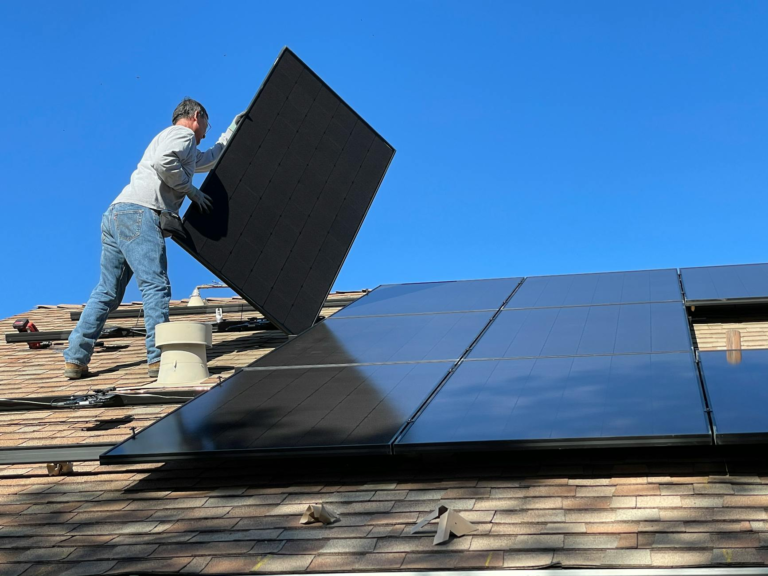
When homeowners in Panama City and Tallahassee consider adding solar panels, the conversation often begins with questions about roof age, orientation, and shade. However, a less obvious but equally critical factor is the type of roofing material that will host the photovoltaic array. Modern roofing materials—ranging from advanced metal panels to high‑performance synthetic membranes—have distinct characteristics that influence how solar systems are mounted, sealed, and maintained. This article explores the nuances of solar modern roofing compatibility, offering a deep dive into the most common roof styles in the Gulf Coast region, the technical considerations for each, and best‑practice strategies that ensure a seamless, durable integration.
Solar Cost Calculator – Florida Panhandle Only
* Estimate based on $3.25 per watt for solar installation.
* For Tesla Powerwall 3 Batteries, $15,000 for the first battery, $12,000 for each additional battery.
* Other variations and types of Batteries are available.
The Rise of New Roofing Materials in the Gulf Coast
In the past decade, builders in Panama City and Tallahassee have moved beyond traditional three‑tab asphalt shingles. Weather‑resistant metal panels, interlocking concrete tiles, and polymer‑based roofing membranes have become popular choices for their durability, energy efficiency, and aesthetic flexibility. These materials are engineered to withstand high humidity, intense sunlight, and the occasional hurricane‑force winds that define the region’s climate. While they bring many benefits, each new material also presents unique challenges for solar installers who must ensure that the mounting hardware does not compromise the roof’s integrity or warranty.
Common Roofing Types in Panama City and Tallahassee
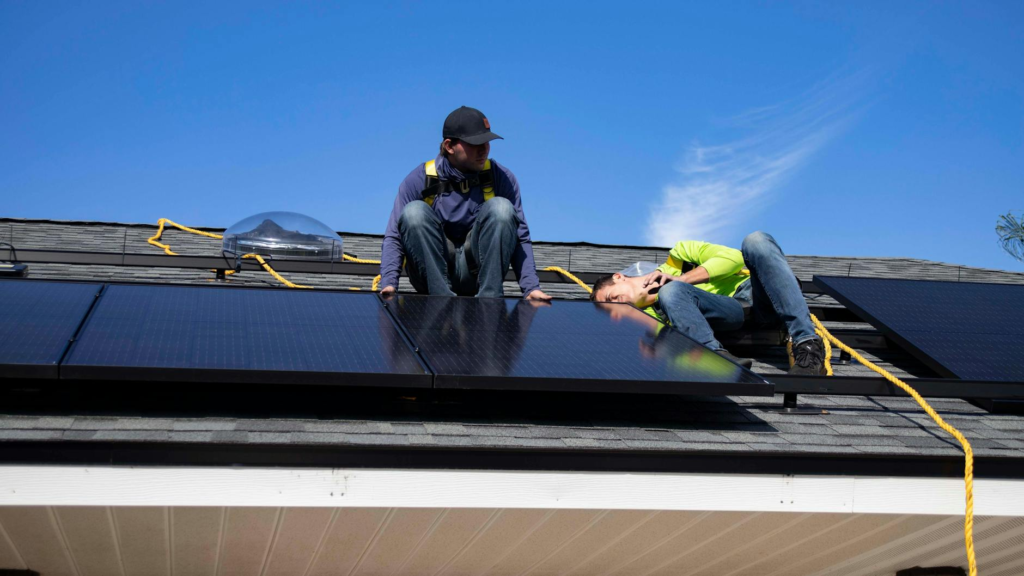
- Standing‑seam metal roofing (galvanized steel, aluminum, or copper)
- Architectural asphalt shingles with enhanced granule blends
- Concrete and clay tiles with reinforced cores
- Slate roofing with natural stone slabs
- Synthetic roofing membranes (TPO, EPDM, PVC)
Each of these roofing systems has a different structural profile, thermal expansion rate, and water‑shedding capability. Understanding these variables is essential for achieving optimal solar modern roofing compatibility. For instance, metal roofs often feature pre‑drilled attachment points that can simplify panel mounting, whereas slate roofs require specialized clamps to avoid cracking the delicate stone.
How Solar Panels Interact With Specific Roofing Materials
Asphalt Shingles: The Most Common Baseline
Architectural asphalt shingles remain the dominant roofing material in many residential neighborhoods. Their layered composition provides a sturdy yet flexible surface, allowing solar mounting brackets to be secured with standard lag bolts and washers. However, installers must take care to avoid puncturing the underlying waterproof membrane, which could lead to leaks over time. Using a flashing kit designed for shingle roofs helps maintain the roof’s water‑tightness while preserving the structural integrity needed for solar modern roofing compatibility.
Metal Roofing: A Natural Partner for Solar
Standing‑seam metal roofs are often touted as the ideal platform for photovoltaic systems. The metal panels create a rigid, non‑porous surface that can accommodate clamp‑style mounting hardware without the need for penetrating the roof deck. This reduces the risk of water intrusion and aligns perfectly with the principles of solar modern roofing compatibility. Additionally, metal’s low coefficient of thermal expansion means that the mounting system remains stable across temperature fluctuations, minimizing stress on both the panels and the roof.
Tile and Slate: Beauty Meets Complexity
Concrete and clay tiles, as well as natural slate, offer unmatched aesthetic appeal but demand careful handling during solar installation. The weight of these materials can increase the overall load on the roof, requiring a structural assessment before mounting. Moreover, because tiles are often fragile, installers use specially designed tile hooks or non‑penetrating rail systems that distribute weight evenly and avoid cracking. When executed correctly, the result is a harmonious blend of classic roofing and modern solar technology, showcasing true solar modern roofing compatibility.
Synthetic Membranes: Flexibility and Waterproofing
Thermoplastic polyolefin (TPO), ethylene propylene diene monomer (EPDM), and polyvinyl chloride (PVC) membranes are increasingly used on low‑slope roofs because of their superior waterproofing and reflective properties. Their seamless nature, however, means that any penetration for mounting hardware must be sealed meticulously. Ballasted mounting systems—where the panels sit on a weighted frame rather than being bolted—are a popular solution that preserves the membrane’s integrity. This approach exemplifies the careful balance required for solar modern roofing compatibility, especially on roofs where puncturing could void the warranty.
Key Installation Considerations for Solar Modern Roofing Compatibility
Regardless of the roof type, successful solar integration hinges on several universal factors. These include assessing structural load capacity, ensuring proper flashing to prevent leaks, and establishing reliable electrical grounding. Below, each consideration is broken down into actionable steps that contractors and homeowners can follow.
- Structural Load Assessment: Verify that the roof can support the additional weight of solar panels and mounting hardware. This is especially critical for tile, slate, and older wooden deck structures.
- Flashing and Waterproofing: Use roof‑specific flashing kits that match the roofing material. Proper sealing around brackets prevents water ingress, a cornerstone of solar modern roofing compatibility.
- Electrical Grounding: Ensure that all metal components are bonded to the building’s grounding system to mitigate lightning risk and comply with NEC guidelines.
- Thermal Expansion Management: Choose mounting systems that accommodate material expansion and contraction, reducing stress on both the panels and the roof.
- Warranty Coordination: Review both the roofing and solar warranties to confirm that installation methods do not void coverage.
Benefits of Achieving Proper Compatibility
When solar modern roofing compatibility is thoughtfully addressed, homeowners reap multiple advantages. First, the risk of roof leaks—a common post‑installation complaint—is dramatically reduced. Second, the structural integrity of the roof remains intact, extending its service life and preserving property value. Third, efficient mounting systems improve the overall performance of the photovoltaic array by maintaining optimal tilt and orientation, which can boost energy production by up to 10 % in some cases. Finally, adhering to compatibility best practices protects both the roofing and solar warranties, offering peace of mind for years to come.
Frequently Asked Questions
- Can I install solar panels on a roof that is less than ten years old?
Yes, as long as the roof’s material is compatible with the mounting system and the structural load is within limits. - Do metal roofs eliminate the need for flashing?
While metal roofs often use clamp‑style mounts that reduce penetrations, flashing is still required around any penetrations to maintain waterproofing. - What is the best mounting method for a TPO membrane?
Ballasted mounts are preferred because they avoid puncturing the membrane, preserving its warranty. - Will installing solar panels void my roof warranty?
Only if the installer uses improper methods; using manufacturer‑approved kits ensures warranty compliance.
Compatibility Summary Table
| Roof Type | Preferred Mounting Method | Key Compatibility Note |
|---|---|---|
| Asphalt Shingles | Penetrating brackets with flashing | Seal all penetrations to avoid leaks. |
| Standing‑Seam Metal | Clamp‑style mounts (non‑penetrating) | Low thermal expansion ensures stable attachment. |
| Concrete/Clay Tile | Tile hooks or rail systems | Distribute weight to prevent tile cracking. |
| Slate | Specialized slate clamps | Use soft‑pad washers to protect stone. |
| Synthetic Membrane (TPO/EPDM) | Ballasted frames | Avoid penetrations; maintain membrane warranty. |
The table above provides a quick reference for installers and homeowners seeking to align their solar projects with the specific requirements of each roofing material. By following these guidelines, you ensure that the integration respects the principles of solar modern roofing compatibility while delivering long‑term performance.
Conclusion
Choosing the right roofing material and mounting strategy is a pivotal step in any solar installation, especially in the dynamic climates of Panama City and Tallahassee. By understanding the distinct properties of modern roofing options and applying best‑practice installation techniques, homeowners can achieve a seamless, durable, and efficient solar system. This thoughtful approach safeguards both the roof and the photovoltaic array, ensuring that the benefits of clean energy are realized for decades to come.
