



Introduction: Why Roof Complexity Matters for Solar Projects
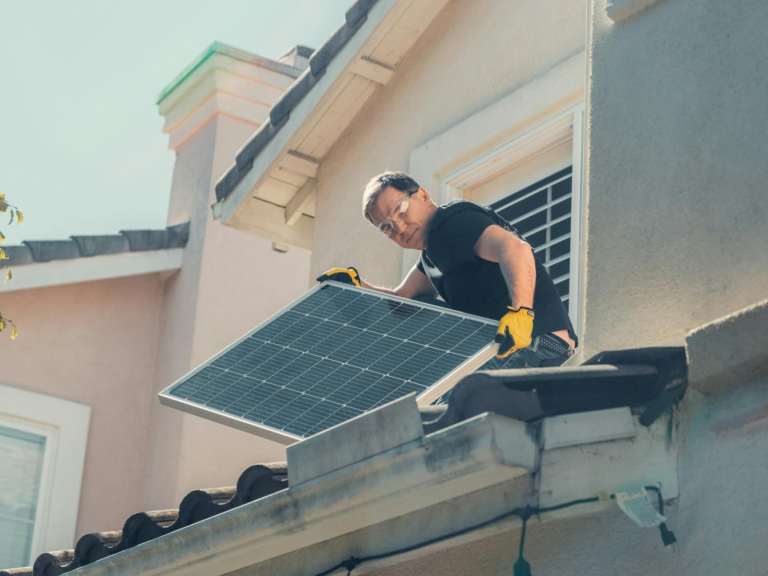
When homeowners in historic Pensacola consider adding renewable energy, the phrase “roof complexity solar installation” quickly becomes a central concern. Unlike a simple, single‑slope roof, many older homes feature multiple planes, dormers, gables, and ornamental details that challenge conventional solar layouts. These architectural intricacies not only affect how panels are mounted but also influence shading patterns, structural load calculations, and local preservation regulations. Understanding the relationship between roof complexity and solar design is essential for achieving optimal performance, maintaining aesthetic integrity, and securing the necessary permits. In this article, we’ll explore the technical, aesthetic, and financial factors that drive the need for specialized planning on complex roofs.
Find us here:
Solar Cost Calculator – Florida Panhandle Only
* Estimate based on $3.25 per watt for solar installation.
* For Tesla Powerwall 3 Batteries, $15,000 for the first battery, $12,000 for each additional battery.
* Other variations and types of Batteries are available.
Understanding Roof Complexity
What Defines Roof Complexity?
Roof complexity refers to any deviation from a flat, uniform surface that complicates the placement of solar panels. Common elements include varying pitch angles, intersecting roof lines, skylights, chimneys, and decorative trim. Each of these features creates unique mounting points, requires custom racking, and may limit the usable area for photovoltaic (PV) modules. For a roof complexity solar installation, engineers must conduct a detailed site analysis to map every contour and obstruction, ensuring that the final design maximizes sun exposure while respecting the building’s structural limits.
Historical Pensacola Homes and Architectural Nuances
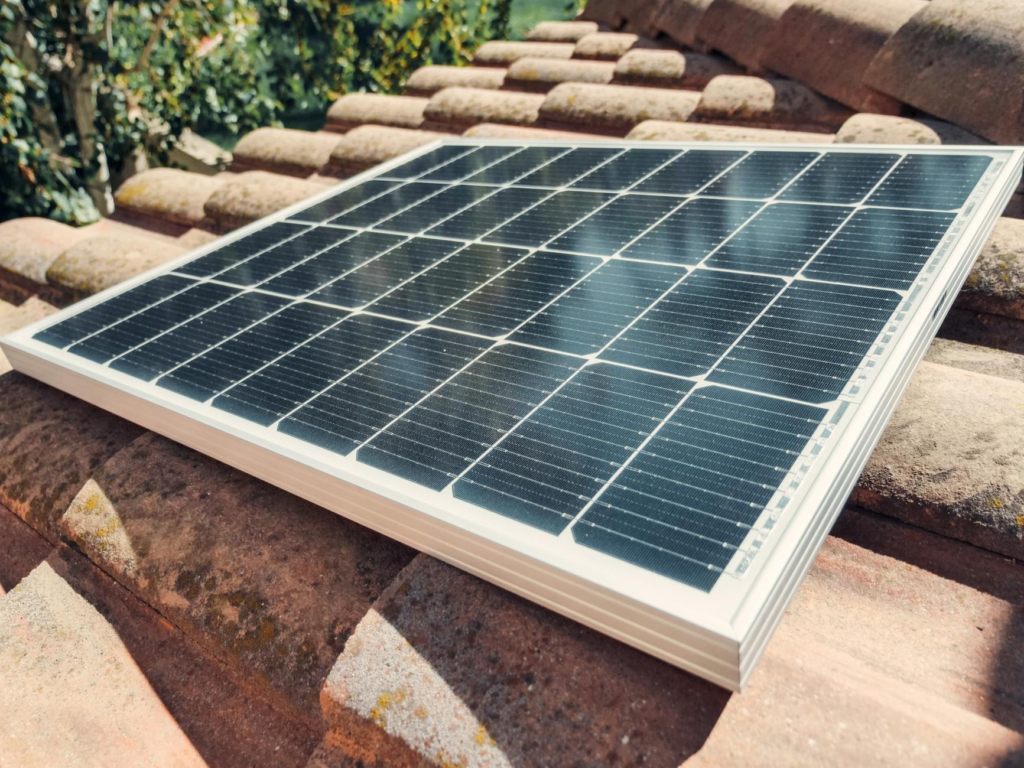
Pensacola’s historic neighborhoods are celebrated for their Victorian, Greek Revival, and Craftsman‑style homes, many of which feature steeply pitched roofs, ornamental brackets, and intricate cornices. These design elements were created long before the advent of solar technology, and they are often protected by local historic districts. When planning a roof complexity solar installation on such properties, homeowners must balance modern energy goals with preservation guidelines that restrict alterations to the roof silhouette. This dual requirement adds layers of coordination between solar engineers, preservation boards, and municipal code officials.
How Roof Complexity Impacts Solar Installation Design
Structural Considerations
Complex roofs typically have varying load‑bearing capacities across different sections. A roof complexity solar installation must account for the weight of panels, racking, and mounting hardware on each roof plane. Engineers perform structural assessments to determine whether additional reinforcement—such as sistered rafters or steel brackets—is required. Failure to address these factors can lead to roof sagging, water infiltration, or even panel detachment during high winds, compromising both safety and system longevity.
Shading and Orientation Challenges
Multiple roof angles create a mosaic of sun‑lit and shaded zones throughout the day. A roof complexity solar installation must use shading analysis tools, like 3D modeling and solar pathfinders, to identify optimal panel placement. Even small overhangs or adjacent trees can cast shadows that reduce energy production by 10–30 percent. By strategically positioning panels on the most favorable planes and employing micro‑inverters or power optimizers, designers can mitigate the impact of partial shading and preserve overall system efficiency.
Electrical Routing and Code Compliance
Complex roof geometries often require longer conduit runs and multiple junction boxes to connect panels to the inverter. This increases installation time and material costs. Additionally, historic homes may have legacy wiring that does not meet current electrical codes, necessitating upgrades for a safe roof complexity solar installation. Coordinating these electrical upgrades with the solar layout ensures compliance with the National Electrical Code (NEC) and local ordinances, while also protecting the building’s historic character.
Planning Strategies for Complex Roofs
Successful solar projects on intricate roofs begin with meticulous planning. Below are key strategies that streamline the design process and reduce unexpected challenges.
- Conduct a detailed site survey using drones or 3D laser scanning to capture every roof angle and obstruction.
- Develop a digital model that overlays solar irradiance data on the roof’s surface, highlighting high‑output zones.
- Engage a structural engineer early to verify load capacities and recommend reinforcements where needed.
- Collaborate with local historic preservation societies to obtain design approvals before finalizing the layout.
Custom racking systems are often the linchpin of a roof complexity solar installation. Unlike standard rail kits that assume uniform roof planes, bespoke mounts can be fabricated to follow the exact slope of each segment, ensuring a flush, secure fit. These solutions may incorporate adjustable brackets, low‑profile flashings, and corrosion‑resistant materials that blend with the historic roof’s aesthetic.
Permitting is another critical component. Historic districts may require a visual impact assessment, and some municipalities impose limits on the percentage of roof area that can be covered by solar panels. Preparing thorough documentation—including engineering reports, shading analyses, and design renderings—helps accelerate the review process and demonstrates respect for the property’s heritage.
Cost Implications and Return on Investment
Complex roofs inevitably raise the upfront cost of a solar project, but the long‑term benefits often justify the investment. Below we break down the primary cost drivers and the financial returns homeowners can expect.
First, custom racking and structural reinforcements can add 15–25 percent to material expenses compared with a standard installation. Second, extended labor hours for detailed measurements, specialized mounting, and additional electrical work increase labor costs. Finally, the permitting process for historic properties may involve fees for design reviews and additional documentation.
Despite these higher initial outlays, a well‑designed roof complexity solar installation can achieve comparable—or even superior—energy yields. By positioning panels on the most sun‑rich sections of a multi‑plane roof, owners can capture higher daily production, shortening the payback period. Moreover, many state and federal incentives, such as tax credits and historic preservation grants, are available to offset a portion of the expense.
- Federal Investment Tax Credit (ITC) – 30% of qualified system costs.
- State rebates for solar installations on historic properties.
- Local utility net‑metering programs that credit excess generation.
Comparison of Typical vs. Complex Roof Solar Projects
| Aspect | Typical Roof | Complex Roof (Roof Complexity Solar Installation) |
|---|---|---|
| Design Time | 1–2 weeks | 3–6 weeks (detailed survey & modeling) |
| Racking Cost | Standard rails | Custom mounts & brackets |
| Structural Work | Minimal | Potential reinforcement required |
| Permitting | Standard solar permit | Historic district review + extra documentation |
| Installation Labor | Standard crew | Specialized installers, longer labor hours |
| Energy Yield | Average based on roof orientation | Optimized by targeting high‑sun zones |
Choosing the Right Installer for a Roof Complexity Solar Installation
Selecting an installer with proven experience on historic and architecturally complex roofs is paramount. Look for companies that showcase portfolio projects featuring custom racking, structural assessments, and successful navigation of preservation board approvals. Certifications such as NABCEP (North American Board of Certified Energy Practitioners) indicate a high level of technical expertise, while memberships in local historic preservation societies demonstrate a commitment to respecting the community’s architectural heritage.
Ask potential installers for detailed proposals that break down each cost component, outline the permitting timeline, and include renderings of the proposed panel layout. Transparent communication helps ensure that the final roof complexity solar installation aligns with both energy goals and aesthetic expectations.
Frequently Asked Questions
Can solar panels be installed on a roof with multiple dormers?
Yes. A roof complexity solar installation can incorporate dormers by using low‑profile mounting brackets that wrap around the dormer’s base, preserving its visual profile while still providing a secure attachment point for panels on adjacent planes.
Do historic preservation guidelines prohibit solar panels?
Most historic districts allow solar installations as long as they meet specific criteria, such as maintaining the roof’s original silhouette, using reversible mounting methods, and limiting visual impact. Early consultation with the preservation board is essential to secure approval.
Will a complex roof affect my solar warranty?
Warranty terms typically cover the PV modules and inverters, but the mounting system’s warranty may vary. Choose an installer that offers a comprehensive warranty on custom racking and ensures that all components meet industry standards.
Conclusion
Roof complexity solar installation projects demand a thoughtful blend of engineering precision, aesthetic sensitivity, and regulatory awareness. By investing in detailed site analysis, custom mounting solutions, and experienced installers, homeowners of historic Pensacola residences can enjoy clean energy without compromising their property’s unique character. The upfront effort and cost are balanced by higher energy yields, valuable incentives, and the lasting satisfaction of preserving both heritage and sustainability.
