



Understanding Solar Adaptability Over Time
Solar power has become a cornerstone of modern energy strategies, yet many homeowners wonder how these systems can keep pace with evolving consumption patterns. As families expand, appliances become more efficient, and electric vehicles enter the garage, the demand on a residential solar array shifts dramatically. In regions like Crestview and Panama City, where sunlight is abundant, the challenge is not merely generating power but ensuring that the system remains flexible enough to meet solar adaptability future needs. This article explores the technical, practical, and financial dimensions of making solar installations resilient, scalable, and responsive to changing household energy requirements.
Solar Cost Calculator – Florida Panhandle Only
* Estimate based on $3.25 per watt for solar installation.
* For Tesla Powerwall 3 Batteries, $15,000 for the first battery, $12,000 for each additional battery.
* Other variations and types of Batteries are available.
Why Energy Demands Are Not Static
Energy consumption in a home is influenced by a multitude of factors that evolve over years and even months. Seasonal temperature swings dictate heating and cooling loads, while lifestyle changes—such as remote work, home schooling, or the addition of a new family member—can increase the baseline electricity usage. Technological advancements also play a role; the rise of smart home devices and the growing popularity of electric vehicles introduce new, substantial loads. Understanding these dynamics is essential for designing a solar system that can adapt without costly overhauls. By anticipating how demand may fluctuate, installers can embed flexibility into the system architecture, directly addressing solar adaptability future needs.
Seasonal Variations
In the Gulf Coast, summers bring intense heat, driving up air‑conditioning usage, while milder winters reduce heating loads. A well‑designed solar array must account for these peaks, often by oversizing the panel capacity or incorporating storage solutions that can smooth out daily generation gaps. Seasonal shading from growing foliage also affects panel performance, reinforcing the need for adjustable mounting systems that can be re‑angled or raised as trees mature.
Household Growth and Lifestyle Shifts
When a family welcomes a new child or converts a spare room into a home office, the electrical load can increase by 20‑30 percent or more. Similarly, the decision to replace a gasoline‑powered car with an electric model can add a daily 30‑kilowatt‑hour (kWh) demand. These lifestyle shifts underscore the importance of planning for solar adaptability future needs from the outset, ensuring that the system can be expanded or reconfigured without extensive rewiring.
Core Components That Enable Solar Adaptability
Modern solar installations comprise several key elements that together provide the foundation for adaptability. While the photovoltaic (PV) panels capture sunlight, it is the surrounding infrastructure—racking, inverters, and monitoring software—that determines how easily the system can evolve. By selecting components with modularity and smart capabilities, homeowners lay the groundwork for a resilient energy solution that can meet future demands.
Modular Panel Arrays
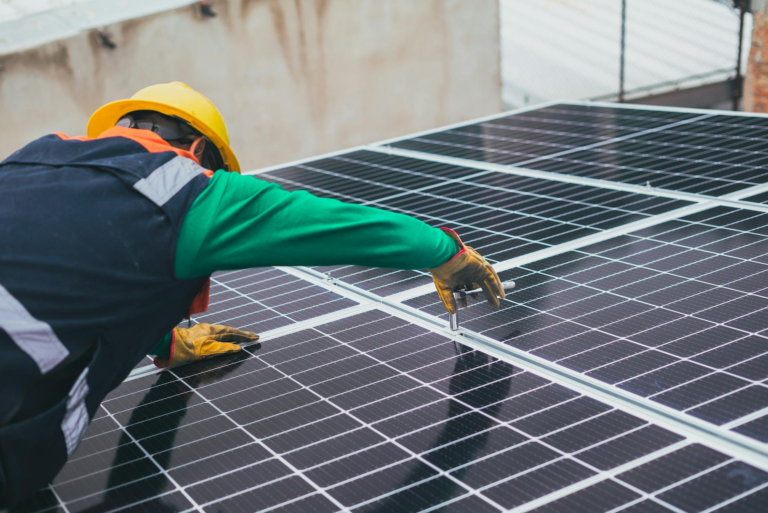
Panel manufacturers now offer modules that can be connected in a plug‑and‑play fashion, allowing additional strings to be added as needed. Adjustable racking systems further enhance this flexibility, enabling panels to be repositioned to avoid new shading or to optimize tilt angles after a roof renovation. This modularity directly supports solar adaptability future needs by simplifying expansion projects.
Smart Inverters and Energy Management Systems
Inverters have evolved from simple DC‑to‑AC converters to sophisticated devices that communicate with cloud‑based platforms, track real‑time production, and manage battery storage. These smart inverters can automatically adjust output to match load patterns, prioritize self‑consumption, and even export surplus power to the grid when financially advantageous. By integrating an energy management system, homeowners gain granular control over how and when electricity is used, stored, or sold, reinforcing the system’s capacity to adapt to shifting usage.
Strategies for Future‑Proofing Your Solar Installation
Designing a solar system with future expansion in mind involves a blend of technical foresight and strategic planning. Below are proven approaches that address the solar adaptability future needs of any household, ensuring that the investment remains viable for decades.
Scalable Design Planning
During the initial design phase, engineers should calculate not only current consumption but also projected growth over a 10‑ to 15‑year horizon. This includes estimating the addition of electric vehicle chargers, home battery packs, or new high‑efficiency appliances. By selecting a mounting system that can accommodate extra panels and an inverter with spare capacity, the upgrade process becomes a matter of adding components rather than replacing core hardware.
Battery Storage Integration
Battery technology has matured rapidly, offering higher energy densities and longer lifespans at decreasing costs. Incorporating a storage solution early on—whether a wall‑mounted lithium‑ion unit or a larger garage‑based system—provides a buffer that smooths out daily generation fluctuations and prepares the home for potential future scenarios such as grid outages or time‑of‑use pricing. Batteries also enable homeowners to shift excess daytime production to nighttime use, aligning supply with demand and enhancing overall system resilience.
Grid Interaction and Net Metering
Many utilities in Crestview and Panama City support net metering, allowing solar owners to feed surplus electricity back into the grid for credits. By configuring the system to operate in a bi‑directional mode, households can capitalize on periods of high generation while still drawing from the grid when needed. This flexibility not only optimizes financial returns but also ensures that the system can adapt to regulatory changes or shifts in utility rate structures.
Case Study: Crestview and Panama City Homes
In the growing suburbs of Crestview, a family of four installed a 7‑kilowatt (kW) solar system with a modest 5 kWh battery. Within three years, they added an electric vehicle and expanded the panel array to 10 kW, using the same racking structure and upgrading the inverter to a higher‑capacity model. Similarly, a Panama City homeowner incorporated a solar‑powered pool pump and later installed a second battery to support nighttime usage during summer peaks. Both examples illustrate how thoughtful design—rooted in the principles of solar adaptability future needs—allows homeowners to scale their systems without disruptive construction.
- Modular racking enabled easy addition of panels.
- Smart inverter provided seamless integration of new loads.
- Battery storage offered flexibility during peak demand.
- Net metering maximized financial benefits.
Comparative Overview of Adaptability Features
| Feature | Initial Installation | Future Expansion Capability | Typical Cost Impact |
|---|---|---|---|
| Modular Racking | Standard roof‑mount | Allows additional rows or tilt adjustments | 5‑10% increase |
| Smart Inverter | Basic inverter | Supports extra panel strings and battery integration | 10‑15% increase |
| Battery Storage | None | Scalable from 5 kWh to 20 kWh+ | Varies by capacity |
Maintenance Practices that Support Long‑Term Performance
Regular maintenance ensures that a solar system continues to meet the solar adaptability future needs of a household. Cleaning panels to remove dust and debris, inspecting mounting hardware for corrosion, and updating inverter firmware are essential tasks. Additionally, monitoring software should be reviewed quarterly to detect any performance deviations early, allowing corrective actions before they affect overall energy production.
Financial Incentives and Return on Investment Over Time
Both federal tax credits and state‑level incentives in Florida can offset a significant portion of the upfront costs associated with solar installations and battery storage. When planning for future expansion, it’s important to consider how these incentives apply to additional components. Many programs allow homeowners to claim credits for each upgrade, effectively reducing the incremental cost of scaling the system and improving the overall return on investment as energy prices rise.
Looking Ahead: Solar Adaptability Future Needs
The energy landscape is poised for rapid transformation, with increasing electrification of transportation, heating, and even cooking. As these trends accelerate, the demand for solar systems that can evolve in step with household consumption will become even more critical. By embracing modular design, smart technology, and storage solutions today, homeowners position themselves to meet the solar adaptability future needs of tomorrow, ensuring reliable, clean power for years to come.
Conclusion
Solar installations in Crestview and Panama City demonstrate that a forward‑thinking approach—centered on modularity, intelligent inverters, and scalable storage—can effectively address changing energy demands. By planning for solar adaptability future needs from the beginning, homeowners safeguard their investment, enhance energy independence, and contribute to a more resilient grid.
