



Balancing Solar Energy and Historic Preservation
Homeowners across the Florida Panhandle cherish the unique architectural details that define historic neighborhoods in places like Pensacola, Apalachicola, and surrounding coastal towns. At the same time, the growing demand for clean, renewable power makes solar installations an attractive option for reducing electricity bills and carbon footprints. The challenge—and the opportunity—is finding a way to bring solar technology to these treasured structures without compromising the very character that makes them special. In this guide, we’ll explore how solar historic homes Florida Panhandle can coexist, offering practical design tips, regulatory insights, and real‑world examples that show preservation and sustainability are not mutually exclusive.
Find us here:
Solar Cost Calculator – Florida Panhandle Only
* Estimate based on $3.25 per watt for solar installation.
* For Tesla Powerwall 3 Batteries, $15,000 for the first battery, $12,000 for each additional battery.
* Other variations and types of Batteries are available.
Understanding Historic Home Regulations
Every historic district operates under a set of guidelines that protect visual integrity, often overseen by a local historic preservation commission or a state agency such as the Florida Division of Historical Resources. These regulations typically address exterior alterations, rooflines, color palettes, and visible hardware. Before ordering any solar panels, it’s essential to review the district’s design review process, which may require detailed site plans, material samples, and photographic documentation. Knowing the rules early helps avoid costly revisions and ensures that the installation aligns with the community’s standards for maintaining historic authenticity.
Why Solar Is Gaining Traction in the Florida Panhandle
The Florida Panhandle enjoys abundant sunshine, averaging more than 260 sunny days per year. This natural advantage translates into high solar irradiance, making photovoltaic (PV) systems especially efficient in the region. Moreover, rising energy costs and increasing awareness of climate change have motivated homeowners to seek alternatives to the traditional grid. State incentives, such as the Florida Solar Energy System (FSES) tax credit and utility‑specific rebates, further lower the financial barrier. When historic homeowners add solar, they not only cut utility expenses but also contribute to a broader effort to protect Florida’s coastal ecosystems from the impacts of fossil‑fuel emissions.
Design Strategies That Protect Architectural Character
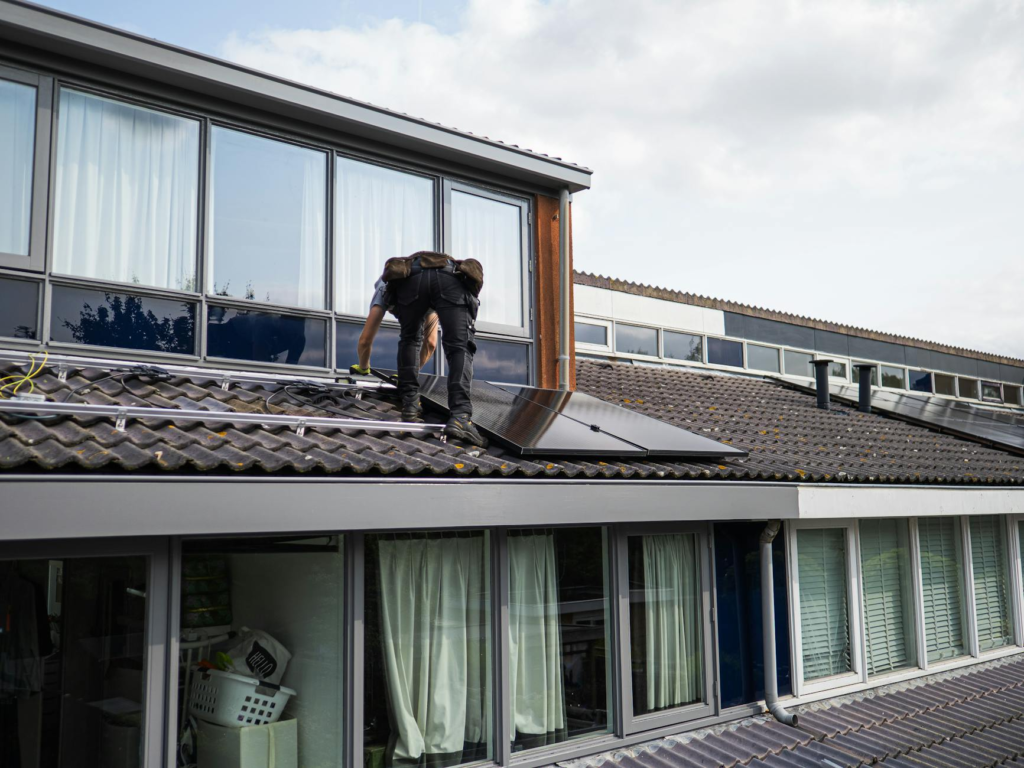
Integrating solar panels into a historic home requires a thoughtful approach that respects original design elements while delivering modern performance. Below are key strategies that preserve the visual integrity of the property while still achieving energy goals.
- Choose low‑profile, all‑black panels that blend with traditional roofing materials.
- Mount panels on less visible roof slopes, such as the rear or side elevations.
- Utilize building‑integrated photovoltaics (BIPV) that replace roofing shingles rather than sitting atop them.
- Incorporate ground‑mounted arrays behind existing landscaping or fencing to keep the façade unchanged.
- Select micro‑inverters or power optimizers to reduce the need for large, visible equipment boxes.
Each of these tactics helps maintain the historic silhouette and material palette that define the charm of homes in the Florida Panhandle’s preservation districts. By working closely with architects who specialize in historic renovations, homeowners can tailor solutions that meet both aesthetic and performance criteria.
Choosing the Right Solar Technology
Modern solar technology offers a range of options suitable for historic properties. Monocrystalline panels provide the highest efficiency in a compact footprint, ideal for homes with limited roof space. Polycrystalline panels, while slightly less efficient, often come at a lower cost and can be a good fit for larger roof areas that are less visible from the street. For the most seamless integration, consider BIPV products that mimic the look of traditional slate, tile, or metal roofing—allowing solar to become part of the building envelope rather than an add‑on.
Placement Options: Roof, Ground, and Carport
While roof‑mounted systems are the most common, historic homeowners have several placement alternatives that can preserve the original façade. Ground‑mounted arrays can be discreetly positioned behind mature trees, hedges, or historic outbuildings, ensuring they remain out of sight from public thoroughfares. Carport solar structures provide shade for vehicles while generating power; when designed with period‑appropriate columns and roofing, they can complement the historic aesthetic. In every case, the goal is to keep the solar components as unobtrusive as possible, a principle that aligns with the ethos of solar historic homes Florida Panhandle projects.
Working With Local Preservation Commissions
Engaging early with the historic preservation commission is a critical step for any solar installation in a designated district. Present a comprehensive package that includes:
- A site plan showing panel locations relative to architectural features.
- Photographs of similar installations that have been approved in nearby historic homes.
- Material samples that match existing roof or siding colors.
- Engineering calculations demonstrating that the added weight will not compromise structural integrity.
Commission members often appreciate when homeowners demonstrate respect for the district’s guidelines and provide clear evidence that the solar system will not detract from the building’s historic value. In many cases, commissions have adopted flexible standards that allow for “solar‑friendly” modifications, recognizing the long‑term environmental benefits of renewable energy.
Incentives and Financial Assistance
Florida offers a variety of incentives that make the transition to solar more affordable for owners of historic properties. The state’s solar tax credit can offset up to 30% of the system cost, while many utility companies provide rebates for residential PV installations. Additionally, the federal Investment Tax Credit (ITC) remains a significant savings mechanism, currently allowing a 30% deduction on qualified expenses. For homeowners in the Panhandle, local historic preservation grants may also be available to cover a portion of the design or engineering fees associated with meeting preservation standards.
When budgeting, factor in potential savings from net metering, which credits excess electricity generated back to the grid. Over a typical 25‑year system lifespan, these combined incentives can reduce the payback period to under ten years, even for historic homes that may require custom mounting solutions.
Case Studies: Pensacola & Apalachicola Success Stories
Several homeowners in the Florida Panhandle have successfully blended solar with historic preservation, setting valuable precedents for future projects.
- Pensacola Victorian Residence (c. 1890): The owners installed low‑profile black monocrystalline panels on the rear roof slope, concealed by a decorative copper cornice that matched the original detailing. The historic commission approved the design after a thorough review, and the home now generates 7,800 kWh annually, covering 85% of its electricity usage.
- Apalachicola Gulf‑Coast Cottage (c. 1925): A ground‑mounted array was placed behind a historic carriage house, screened by native palms and a wooden fence painted to match the property’s palette. The system qualifies for both the state tax credit and a local preservation grant that funded the custom mounting hardware.
These examples illustrate how solar historic homes Florida Panhandle can achieve substantial energy savings while honoring the architectural integrity that makes each property unique.
Practical Checklist for Homeowners
- Research local historic district guidelines and contact the preservation commission early.
- Conduct a solar site assessment to identify the most discreet mounting locations.
- Choose solar panels and mounting systems that complement existing roof materials.
- Engage a licensed installer with experience in historic renovations.
- Prepare a detailed application package with drawings, photos, and material samples.
- Apply for state, federal, and local incentives, including any historic preservation grants.
- Schedule a post‑installation inspection to verify compliance and performance.
Comparison of Solar Options for Historic Homes
| Option | Typical Cost (US $) |
|---|---|
| Low‑profile all‑black monocrystalline panels (roof‑mount) | 12,000 – 15,000 |
| Building‑integrated photovoltaics (BIPV) shingles | 20,000 – 30,000 |
| Ground‑mounted array with screening | 8,000 – 12,000 |
| Solar carport with historic‑style columns | 15,000 – 22,000 |
Each option offers a different balance of visual impact, cost, and energy output. Homeowners should weigh these factors alongside preservation requirements to select the solution that best fits their property’s character and budget.
Conclusion
Integrating solar power into historic homes across the Florida Panhandle is not only feasible—it’s increasingly common as homeowners recognize the dual benefits of energy independence and heritage stewardship. By respecting preservation guidelines, choosing appropriate technology, and leveraging available incentives, owners can install solar systems that honor the past while powering the future. Whether you’re in Pensacola, Apalachicola, or another charming coastal town, the path to a sustainable, character‑preserving home begins with thoughtful planning and collaboration.
