



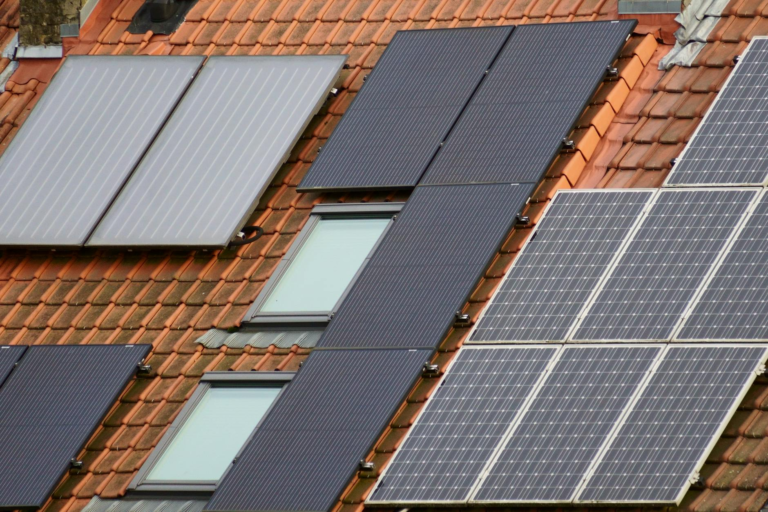
Across the Florida Panhandle, neighborhoods are discovering how solar can be a catalyst for sustainable community development. By integrating photovoltaic panels into homes, schools, and municipal facilities, residents are not only cutting electricity bills but also fostering resilience against climate change. This shift toward clean energy is especially evident in Panama City and Navarre, where local leaders are championing projects that align economic growth with environmental stewardship. The momentum is driven by a clear understanding that solar power offers long‑term benefits that extend beyond individual savings, creating a ripple effect that strengthens the entire community.
Find us here:
Solar Cost Calculator – Florida Panhandle Only
* Estimate based on $3.25 per watt for solar installation.
* For Tesla Powerwall 3 Batteries, $15,000 for the first battery, $12,000 for each additional battery.
* Other variations and types of Batteries are available.
Why Solar Energy Matters for Community Development
Solar technology provides a decentralized source of electricity, reducing reliance on distant power plants and vulnerable transmission lines. In coastal regions of Florida, where hurricanes can disrupt traditional grids, having locally generated power improves emergency preparedness. Moreover, solar installations generate jobs ranging from panel installation to system maintenance, contributing to a skilled workforce that supports local economies. When communities invest in solar, they also invest in a cleaner air quality, as fewer fossil‑fuel plants mean reduced emissions of carbon dioxide, nitrogen oxides, and particulate matter.

Key Benefits of Solar for Sustainable Communities in Florida
Adopting solar energy aligns with the core principles of sustainable development: economic viability, environmental protection, and social equity. In the context of the Florida Panhandle, the benefits are amplified by abundant sunshine, making solar a reliable and cost‑effective resource. Residents who install rooftop panels experience lower utility bills, while the community as a whole enjoys a reduction in peak‑load demand, easing strain on the grid. Additionally, solar projects can be designed to incorporate energy storage, providing backup power during outages—a critical advantage for coastal towns prone to storm‑related disruptions.
Economic Advantages
Every kilowatt‑hour of solar electricity generated on site translates into dollars saved for households and businesses. In Panama City, a recent study showed that homeowners who installed 5‑kilowatt systems saw an average annual savings of $1,200. On a larger scale, municipal solar farms can generate revenue through power purchase agreements, feeding excess electricity back into the grid and earning credits. These financial incentives encourage reinvestment in community amenities such as parks, libraries, and public transportation.
Environmental Impact
Solar power produces no greenhouse gases during operation, directly contributing to the reduction of carbon footprints for entire neighborhoods. When a community collectively adopts solar, the cumulative effect can offset the emissions of thousands of vehicles each year. In addition, solar installations on rooftops preserve open land, preventing habitat loss and maintaining the natural landscape that defines Florida’s coastal charm.
Social and Educational Benefits
Schools that integrate solar panels into their facilities create real‑world learning labs for students. In Navarre, a middle school partnered with a local solar provider to install a 250‑kilowatt system, using the data to teach lessons on renewable energy, mathematics, and environmental science. This hands‑on approach not only raises awareness but also inspires the next generation of engineers, technicians, and sustainability advocates.
Case Studies: Panama City and Navarre
Both Panama City and Navarre have launched ambitious solar initiatives that illustrate how solar sustainable communities florida can thrive. In Panama City, the “Sunshine Neighborhood” program offers residents zero‑down financing for rooftop panels, coupled with a community solar garden for renters who cannot install their own systems. This inclusive model ensures that the benefits of solar are accessible to a broad demographic, fostering equity across the city.
Navarre’s approach focuses on public‑private partnerships. The town collaborated with a regional utility to develop a 5‑megawatt solar farm on reclaimed land, generating enough power to offset the electricity consumption of over 2,000 homes. Revenue from the farm is earmarked for infrastructure upgrades, including bike lanes and storm‑water management projects, demonstrating a holistic view of sustainability that ties energy generation to broader community needs.

Implementation Strategies for Solar Sustainable Communities Florida
Successful integration of solar energy requires a clear roadmap that addresses financing, permitting, and community engagement. Below are essential steps that municipalities and neighborhood associations can follow to create thriving solar ecosystems.
- Conduct a solar feasibility study to assess roof space, shading, and local solar irradiance.
- Develop financing options such as power purchase agreements, community solar subscriptions, or on‑bill financing.
- Streamline permitting processes by establishing a single‑window system for solar applications.
- Engage residents through workshops, webinars, and demonstration sites to build trust and awareness.
- Partner with local installers and educational institutions to create training programs for solar technicians.
By following these steps, communities can reduce barriers to adoption, accelerate project timelines, and ensure that the transition to renewable energy is both inclusive and economically viable.
Policy Support and Incentives
State and local policies play a pivotal role in fostering solar sustainable communities florida. Florida’s net‑metering rules allow homeowners to receive credit for excess electricity sent back to the grid, effectively turning their meters into two‑way devices. Additionally, the federal Investment Tax Credit (ITC) currently offers a 30 % tax credit for qualified solar installations, dramatically lowering upfront costs. Municipalities can further support adoption by offering property tax abatements, reduced permitting fees, or grant programs targeted at low‑income households.
Future Outlook for Solar in the Panhandle
Looking ahead, the convergence of declining solar panel prices, advances in battery storage, and growing community awareness positions the Florida Panhandle as a leader in renewable energy adoption. As more neighborhoods embrace solar, the region can expect a more resilient grid, diversified energy sources, and a stronger local economy. The momentum generated by projects in Panama City and Navarre serves as a blueprint for other coastal communities seeking to blend sustainability with growth.
Quick Reference: Solar Benefits Overview
| Benefit Category | Key Advantages |
|---|---|
| Economic | Reduced utility bills, job creation, revenue from excess generation |
| Environmental | Zero emissions, lower carbon footprint, preservation of open space |
| Social | Energy equity, educational opportunities, improved public health |
The table above captures the core advantages that make solar a cornerstone of sustainable community development in Florida. By recognizing these interconnected benefits, stakeholders can craft policies and programs that amplify the positive impact across economic, environmental, and social dimensions.
In summary, the integration of solar power is reshaping how communities across Panama City and Navarre envision a sustainable future. By leveraging abundant sunshine, supportive policies, and collaborative partnerships, these towns are setting a precedent for solar sustainable communities florida. The result is a resilient, prosperous, and greener Panhandle—one solar panel at a time.
