



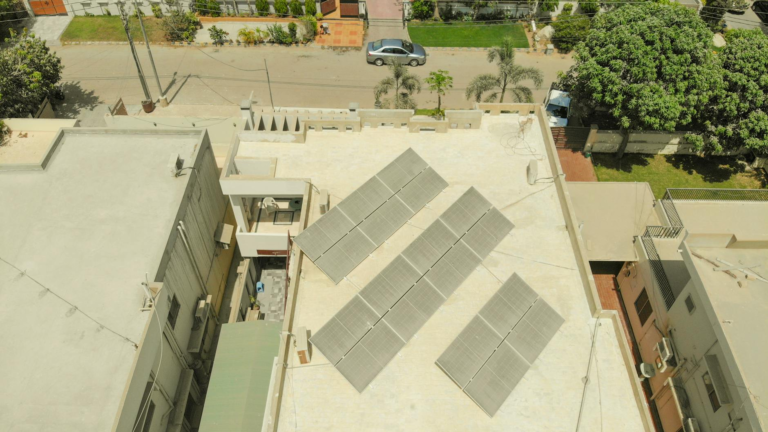
Understanding the Shift Toward Energy Resilience
Across the Florida Panhandle, homeowners are reevaluating how they power their lives. Recent storms, rising electricity rates, and a growing awareness of climate impacts have sparked a collective interest in securing a more predictable energy future. This mindset isn’t about a quick fix; it’s about a strategic, long‑term approach that aligns with both personal budgets and broader environmental goals. When you hear the phrase long term solar planning florida homeowners, it reflects a deeper desire to own the source of power rather than rely solely on the grid.
Unlike short‑term projects that focus on immediate savings, long‑term solar planning considers factors such as system durability, future rate escalations, and evolving technology. By thinking years ahead, Florida Panhandle residents can design a solar solution that continues to deliver value decade after decade, even as the energy landscape changes around them.
Find us here:
Solar Cost Calculator – Florida Panhandle Only
* Estimate based on $3.25 per watt for solar installation.
* For Tesla Powerwall 3 Batteries, $15,000 for the first battery, $12,000 for each additional battery.
* Other variations and types of Batteries are available.
The Rising Cost of Conventional Electricity
Utility rates in Florida have been on an upward trajectory for the past decade. According to the Florida Public Service Commission, average residential electricity prices have risen more than 30 % since 2015. This increase is driven by a combination of aging infrastructure, higher fuel costs, and the need to fund grid upgrades after severe weather events.
For a typical homeowner paying $150 a month, a modest 3 % annual increase translates to an extra $5 per month in the first year, $10 in the fifth year, and over $20 by the tenth year. Over a 20‑year mortgage, those incremental hikes can add up to several thousand dollars—money that could have been invested elsewhere or saved for future needs.
Why Solar Energy Is Gaining Traction in the Panhandle
The Florida Panhandle enjoys abundant sunshine, with an average of 4,500 peak sun hours per year. This natural advantage makes solar power an especially attractive option for homeowners seeking to offset rising utility bills. Moreover, state and local policies have become increasingly supportive, offering tax credits, rebates, and net‑metering arrangements that improve the financial outlook of solar installations.
When residents pair these incentives with a mindset of long term solar planning florida homeowners adopt, they are able to create a resilient energy ecosystem that protects against both price volatility and power outages caused by hurricanes or other extreme weather events.
Key Elements of Long‑Term Solar Planning
- Accurate assessment of current and future energy consumption.
- Selection of high‑efficiency, durable solar panels and inverters.
- Consideration of battery storage for nighttime and emergency power.
- Evaluation of financing options that align with the homeowner’s cash flow.
- Understanding of local regulations, permitting, and interconnection processes.
Each of these components contributes to a holistic strategy that ensures the solar system remains productive and cost‑effective for the lifespan of the equipment—typically 25 to 30 years. By integrating them from the outset, long term solar planning florida homeowners avoid costly retrofits and maximize return on investment.
Assessing Energy Usage Patterns
The first step in any strategic solar project is a detailed analysis of household electricity consumption. Reviewing past utility bills, identifying peak demand periods, and accounting for future changes—such as the addition of electric vehicles or home‑office equipment—helps size the system correctly. Oversizing can lead to unnecessary upfront costs, while undersizing may result in frequent reliance on the grid.
Choosing the Right Solar Technology
Modern panels come in several technologies, including monocrystalline, polycrystalline, and bifacial designs. While monocrystalline panels typically offer the highest efficiency, bifacial modules can capture reflected sunlight, boosting output in certain installations. Pairing the optimal panel type with a high‑efficiency inverter ensures that the system converts the most sunlight into usable electricity over its lifetime.
Integrating Energy Storage
Battery storage has moved from a niche add‑on to a mainstream component of solar systems. For Florida Panhandle homeowners, a battery can provide backup power during grid outages—a frequent occurrence after hurricanes. Additionally, storage allows users to shift excess solar generation to periods of high demand, further reducing reliance on utility rates that often spike during peak summer months.
Financial Incentives That Support Long‑Term Planning
Florida offers a suite of financial tools that make solar projects more affordable. The federal Investment Tax Credit (ITC) currently provides a 30 % credit on the total system cost, and this credit is set to phase down gradually over the next few years. State‑level programs, such as the Florida Solar Energy System Incentives (FSESI), provide additional rebates for qualifying installations.
When combined with net‑metering policies—where excess solar production is credited against future electricity bills—these incentives dramatically improve the payback period of a solar system. For homeowners who are thinking about long term solar planning florida homeowners, leveraging these programs early can lock in higher savings before incentive levels potentially decrease.
Comparing Cost Scenarios: Grid‑Only vs. Solar + Storage
| Scenario | 20‑Year Total Cost |
|---|---|
| Grid‑only (no solar) | $38,400 |
| Solar only (no storage) | $22,500 |
| Solar + Battery Storage | $26,800 |
The simplified table above illustrates how a well‑designed solar system, even when paired with battery storage, can reduce a household’s energy expenses by roughly 30 % over two decades. These figures incorporate average utility rate increases and assume a 30 % federal tax credit applied at purchase.
Step‑By‑Step Guide for Homeowners
- Step 1 – Energy Audit: Conduct a professional or self‑guided audit to establish baseline consumption.
- Step 2 – Set Goals: Decide whether the priority is cost savings, backup power, or both.
- Step 3 – Choose a Reputable Installer: Look for contractors with proven experience in the Panhandle and solid warranties.
- Step 4 – Design the System: Work with the installer to size panels, inverters, and storage based on the audit.
- Step 5 – Secure Financing: Evaluate cash purchase, solar loans, or power purchase agreements (PPAs) that align with long‑term goals.
- Step 6 – Apply Incentives: Submit all required paperwork for federal and state credits before installation.
- Step 7 – Install & Commission: Schedule the install, ensure proper permitting, and test system performance.
- Step 8 – Monitor & Optimize: Use a monitoring platform to track production and adjust usage habits as needed.
Following this roadmap helps homeowners stay organized and ensures that every decision contributes to the overarching objective of long term solar planning florida homeowners often cite: energy independence that lasts for decades.
Addressing Common Myths About Solar Longevity
Many skeptics claim that solar panels degrade quickly, lose efficiency, or become obsolete within a few years. In reality, most reputable manufacturers guarantee that panels will retain at least 80 % of their original output after 25 years. Inverters typically have a 10‑ to 15‑year warranty, but they are easily replaceable without disturbing the panels themselves.
Another myth is that battery storage is prohibitively expensive for long‑term use. While upfront costs can be higher, the price per kilowatt‑hour of storage has fallen by more than 50 % over the past five years. When paired with a solar array, batteries can extend the financial benefits of the system, especially during periods of high utility rates or after severe weather events.
Future Outlook: How Policy and Technology May Evolve
Energy policy in Florida is in a state of transition. Legislative proposals aimed at expanding community solar, simplifying interconnection rules, and increasing state‑level rebates are being discussed. For homeowners who adopt a forward‑looking stance—embodied by the phrase long term solar planning florida homeowners—staying informed about these changes can unlock additional savings down the road.
Technologically, the next decade promises higher‑efficiency panels, more affordable solid‑state batteries, and smarter energy management platforms that integrate solar, storage, and even electric vehicle charging. By selecting modular components now, homeowners can upgrade parts of their system without a full replacement, preserving the long‑term value of their original investment.
Conclusion
For Florida Panhandle residents, the convergence of rising electricity costs, abundant sunshine, and evolving incentives has created a perfect environment for long term solar planning florida homeowners to thrive. By taking a strategic, multi‑year perspective—assessing usage, choosing durable technology, incorporating storage, and leveraging financial programs—homeowners can secure reliable, affordable energy for decades to come.
