



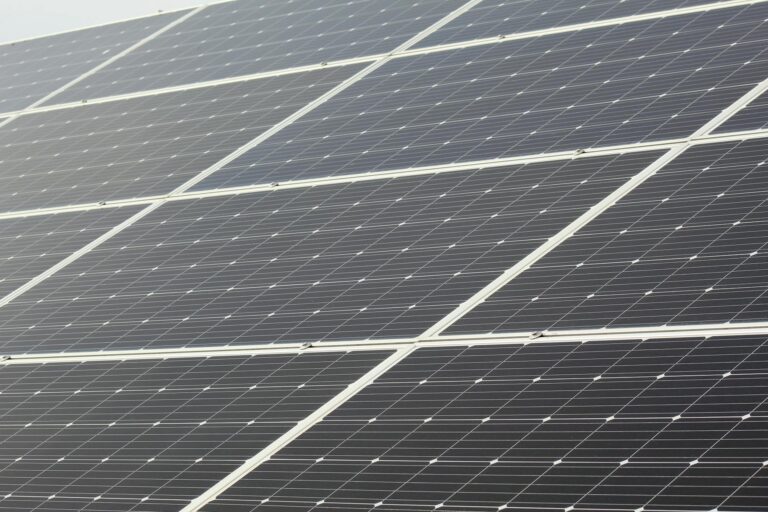
Understanding the Surge in Residential Solar Adoption Florida Panhandle
The Florida Panhandle has long been known for its sunny skies, gentle breezes, and a relaxed coastal lifestyle. Over the past decade, those natural advantages have translated into a noticeable shift toward clean energy, especially in residential neighborhoods. Homeowners across towns like Crestview, Milton, and surrounding communities are increasingly turning to solar power as a reliable, cost‑effective way to meet their electricity needs. This movement isn’t a fleeting trend; it reflects deeper economic, technological, and policy‑driven forces that are reshaping how families think about energy consumption. In this article, we’ll explore the key drivers behind residential solar adoption Florida Panhandle residents are experiencing, and why the momentum shows no signs of slowing down.
Find us here:
Solar Cost Calculator – Florida Panhandle Only
* Estimate based on $3.25 per watt for solar installation.
* For Tesla Powerwall 3 Batteries, $15,000 for the first battery, $12,000 for each additional battery.
* Other variations and types of Batteries are available.
Economic Incentives Fueling Homeowner Interest
One of the most compelling reasons homeowners are embracing solar is the clear financial upside. The initial cost of a solar panel system has dropped dramatically in the last ten years, thanks to improvements in manufacturing efficiency and economies of scale. In the Panhandle, the average residential installation now costs roughly 30 % less than it did in 2015. Coupled with the fact that Florida offers a state sales tax exemption on solar equipment, families can see a rapid return on investment. Many households report savings of $800 to $1,500 on their utility bills each year, and these savings compound as electricity rates continue to rise across the state.
Key Financial Benefits
- Reduced monthly electricity bills.
- Eligibility for federal Investment Tax Credit (ITC) worth up to 30 % of system cost.
- Potential increase in home resale value—studies show solar‑equipped homes sell for 4‑5 % more.
- Net‑metering arrangements that allow excess energy to be credited back to the grid.
State Incentives and Local Programs
Beyond the national tax credit, Florida’s own policies make residential solar adoption Florida Panhandle especially attractive. The state’s net‑metering rule guarantees that any surplus electricity generated by a home’s solar array is rolled over to the next billing cycle, effectively turning the utility meter into a two‑way device. Additionally, several counties and municipalities in the Panhandle have launched rebate programs that further lower the upfront cost for residents. For example, the Walton County Solar Rebate offers up to $1,000 per kilowatt installed, while the Escambia County Energy Assistance Program provides low‑interest financing options for qualifying households.
| Program | Benefit | Eligibility |
|---|---|---|
| Florida ITC | 30 % tax credit | All residential installations |
| Walton County Rebate | $1,000/kW | Homeowners in Walton County |
| Escambia Low‑Interest Loan | Up to 3 % APR | Income‑qualified residents |
These incentives, when combined with the declining cost of hardware, create a financial environment where installing solar panels makes sense for a broad cross‑section of homeowners. The cumulative effect is a noticeable uptick in residential solar adoption Florida Panhandle neighborhoods are witnessing, and the trend is reinforced each time a new success story circulates through community groups or local news outlets.
Technological Advances Making Solar More Accessible
Technology is another pillar supporting the rapid growth of residential solar. Modern photovoltaic (PV) panels boast efficiencies above 22 %, meaning they can generate more power from the same roof space than older models. In the Panhandle, where many homes have modestly sized roofs, high‑efficiency panels enable homeowners to meet a larger share of their electricity demand without extensive structural modifications. Moreover, the rise of micro‑inverters and power optimizers allows each panel to operate at its maximum potential, mitigating the impact of shading from trees or neighboring structures—a common concern in densely built neighborhoods.
Energy storage solutions have also become a game‑changer. Battery systems, once prohibitively expensive, are now available at price points that make them viable for average households. By pairing a solar array with a modest battery pack, families can store excess daylight generation for use during evening peak hours, further reducing reliance on the grid. This capability is especially valuable during the occasional summer storms that can cause temporary outages, giving residents an added layer of resilience.
Community Impact and Neighborhood Trends
When a few homes in a cul‑de‑sac adopt solar, the ripple effect can be significant. Neighbors often notice reduced utility bills on the monthly statements of early adopters and become curious about the technology. Homeowners’ association (HOA) boards, which once resisted solar installations due to aesthetic concerns, are now drafting guidelines that balance visual harmony with the community’s desire for clean energy. In Crestview, a recent survey revealed that 68 % of residents view residential solar adoption Florida Panhandle as a positive step toward neighborhood sustainability.
Local businesses are also joining the movement. Roofing contractors, electricians, and solar installers are forming collaborative networks to streamline the permitting process, provide bundled pricing, and offer educational workshops. These community‑driven efforts demystify the installation process and address common misconceptions, such as fears about roof damage or maintenance complexity. As a result, the barrier to entry lowers, encouraging even more households to explore solar options.
Challenges and How They’re Being Overcome
Despite the clear benefits, residential solar adoption Florida Panhandle still faces obstacles. One of the primary concerns is the perceived upfront cost, even with incentives. To address this, many installers now offer power‑purchase agreements (PPAs) and solar leases that eliminate initial expenses, allowing homeowners to pay a predictable monthly fee while still enjoying reduced electricity costs. Another challenge is the variability of sunlight due to occasional cloud cover and seasonal shifts. Advanced forecasting tools and smart inverters help optimize system performance, ensuring that panels operate efficiently year‑round.
Regulatory hurdles can also slow progress. While Florida’s statewide net‑metering policy is favorable, some utilities have introduced additional fees or caps that can affect profitability. Advocacy groups are actively lobbying for more transparent rate structures and for the removal of any hidden charges that could deter potential adopters. Their efforts have already resulted in policy adjustments in several counties, reinforcing the momentum behind residential solar adoption Florida Panhandle continues to experience.
Future Outlook for Residential Solar in the Panhandle
Looking ahead, the trajectory for residential solar adoption Florida Panhandle appears overwhelmingly positive. The convergence of falling hardware costs, robust state and local incentives, and growing consumer awareness creates a fertile environment for continued growth. Forecasts from the Solar Energy Industries Association (SEIA) predict that by 2030, more than 30 % of homes in the Panhandle could be powered partially or fully by solar energy. This shift not only supports individual financial goals but also aligns with broader climate objectives, reducing the region’s carbon footprint and enhancing grid resilience.
Emerging technologies such as bifacial panels, which capture sunlight from both sides, and integrated solar roofing materials that blend seamlessly with traditional shingles, promise to further simplify installations and improve aesthetics. As these innovations become mainstream, the appeal of solar will expand beyond early adopters to the average homeowner seeking a straightforward, low‑maintenance energy solution.
Practical Steps for Homeowners Ready to Go Solar
If you’re a homeowner in the Florida Panhandle considering solar, the process can be broken down into a few manageable steps. First, assess your roof’s orientation, shading, and structural integrity—most solar professionals offer a free site evaluation. Next, explore financing options, including the federal ITC, state rebates, and local loan programs, to determine the most cost‑effective pathway. Obtain multiple quotes from reputable installers to compare equipment warranties, performance guarantees, and after‑sales service. Finally, review your utility’s net‑metering agreement and any HOA guidelines to ensure compliance. By following these steps, you can join the growing ranks of residents benefiting from residential solar adoption Florida Panhandle.
Conclusion
Residential solar adoption Florida Panhandle is no longer a niche market; it’s becoming a defining feature of modern neighborhoods like Crestview and Milton. Driven by economic incentives, advancing technology, and strong community support, more homeowners are discovering that solar power offers tangible savings, increased property value, and a pathway toward a cleaner future. As the region continues to invest in supportive policies and innovative solutions, the sun‑powered homes of today will set the standard for the sustainable neighborhoods of tomorrow.
