



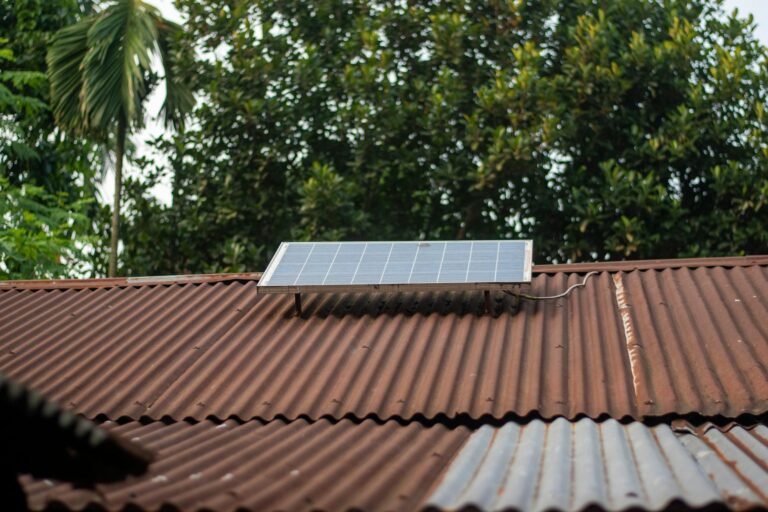
Why Hurricane Zones Matter for Solar Design
In coastal states like Florida, the threat of high‑speed winds is a daily reality. Homeowners who want to harness the sun’s energy must think beyond panel efficiency and consider the unique challenges posed by hurricane exposure. This is where solar hurricane zone design becomes a critical component of any successful installation. By understanding the specific wind‑load requirements of a given region, installers can select mounting systems, wiring methods, and protective measures that will keep a solar array safe during a storm while still delivering optimal performance year‑round.
Find us here:
Solar Cost Calculator – Florida Panhandle Only
* Estimate based on $3.25 per watt for solar installation.
* For Tesla Powerwall 3 Batteries, $15,000 for the first battery, $12,000 for each additional battery.
* Other variations and types of Batteries are available.
Understanding Hurricane Zones and Their Classifications
The National Weather Service divides the United States into several hurricane zones based on historical wind speeds, storm surge potential, and geographic exposure. Florida’s Panhandle, for example, falls into the highest risk category, often requiring structures to withstand sustained winds of 150 mph or more. These designations are more than just labels; they dictate the building codes and engineering standards that must be followed when installing solar equipment. Incorporating these standards into a solar hurricane zone design ensures that every component—from the racking to the conduit—meets the necessary resilience thresholds.
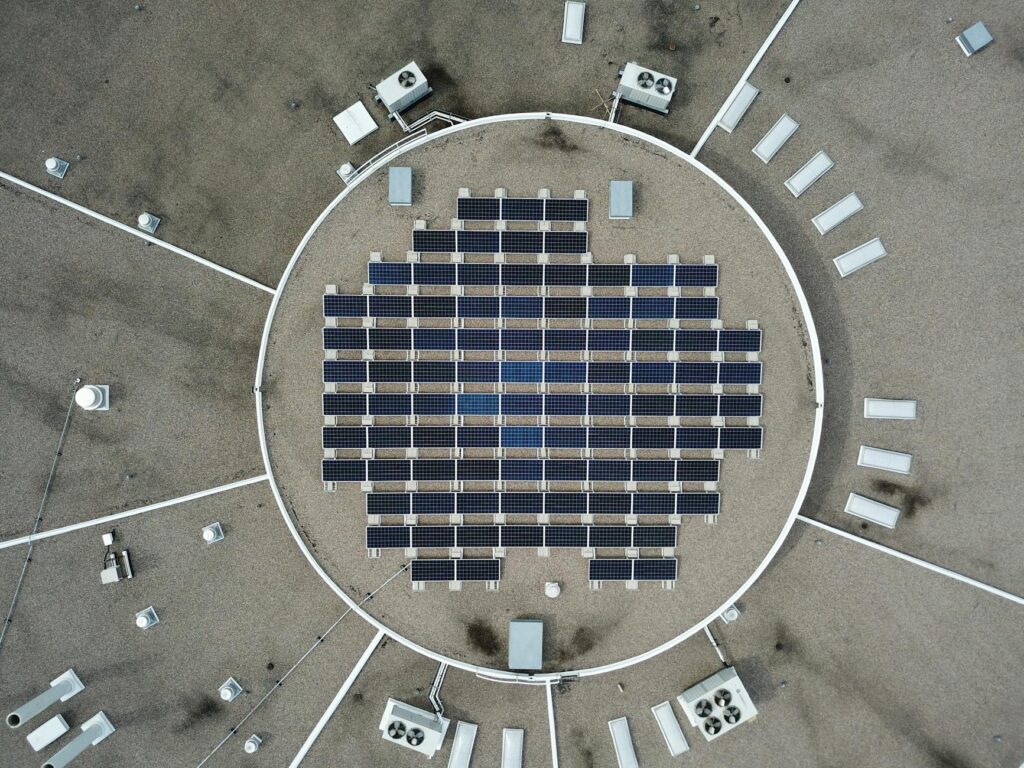
Impact on Solar Panel Mounting Systems
Mounting systems are the backbone of any solar array, and in hurricane‑prone areas they must be engineered to resist uplift forces and lateral wind pressure. Traditional roof‑mount brackets that work well in mild climates may fail under extreme conditions. A robust solar hurricane zone design calls for high‑grade, corrosion‑resistant hardware, reinforced brackets, and often the use of hurricane straps that tie the racking directly to the building’s structural frame. These measures distribute wind loads more evenly and dramatically reduce the risk of panel detachment during a storm.
Roof‑Mounted vs. Ground‑Mounted Solutions
When deciding between a roof‑mounted or ground‑mounted system, the hurricane zone classification heavily influences the choice. Roof‑mounted arrays benefit from the building’s existing wind‑resistance, but they require additional reinforcement in high‑risk zones. Ground‑mounted installations, on the other hand, can be built with deeper foundations and stronger posts, offering greater stability against uplift. However, they also demand more land and may be subject to different permitting requirements. Both approaches can be integrated into a comprehensive solar hurricane zone design when engineered correctly.
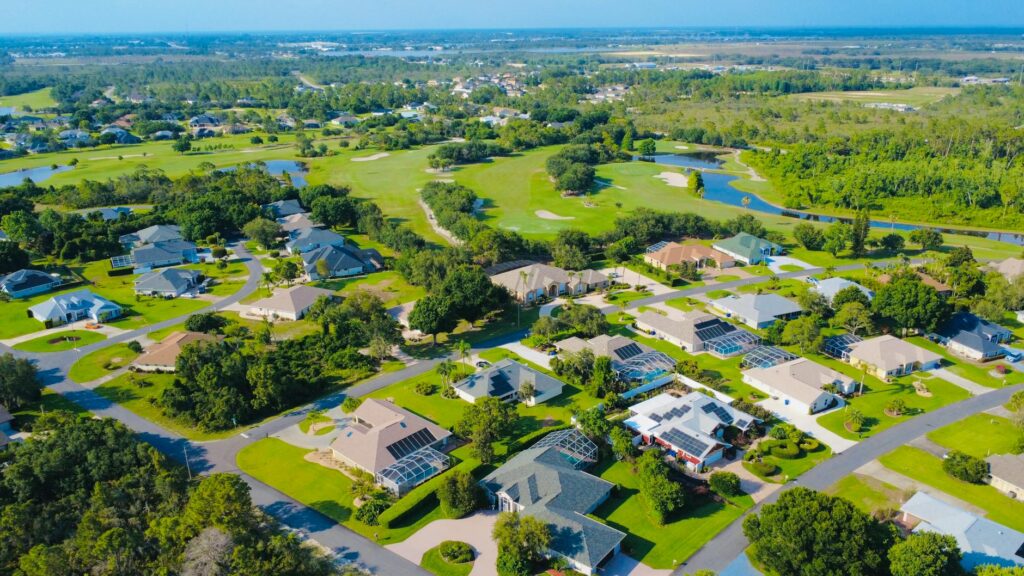
Structural Reinforcement Strategies
Beyond the mounting hardware, the underlying structure of the home itself must be evaluated. In the Florida Panhandle, many homes are built with wood framing that may not meet modern wind‑load criteria. Strengthening roof trusses, adding hurricane clips, and securing sheathing are common practices that enhance overall resilience. When these structural upgrades are combined with a tailored solar hurricane zone design, the solar array becomes an integral part of the home’s defensive system rather than a liability.
Wiring, Conduits, and Weatherproofing
Electrical components are vulnerable to water intrusion and wind‑driven debris. Selecting UV‑stable, UV‑resistant conduit and using sealed junction boxes are essential steps in a hurricane‑ready solar plan. Additionally, all wiring should be run through conduit that meets the local code for wind zones, often requiring a minimum depth or protective covering. Incorporating these details into a solar hurricane zone design protects the system’s performance and reduces the likelihood of costly repairs after a storm.
Permitting, Code Compliance, and Inspection
Local building departments enforce strict regulations for installations in high‑risk hurricane zones. These codes dictate everything from the minimum wind‑rating of racking to the type of fasteners used. Obtaining the proper permits ensures that the installer follows a vetted solar hurricane zone design that has been reviewed by engineers and code officials. Inspections after installation verify compliance and provide homeowners with documented proof that their system meets all safety standards.
Choosing the Right Inverter and Battery Storage
Inverter placement can affect a system’s vulnerability to wind and water. Locating inverters inside a weather‑sealed enclosure or within the home’s HVAC closet reduces exposure. For battery storage, many manufacturers now offer units designed to meet hurricane‑zone certifications, featuring reinforced casings and secure mounting brackets. Integrating these components into a cohesive solar hurricane zone design helps maintain power availability even when the grid is down after a storm.
Maintenance Practices for High‑Wind Areas
Regular maintenance is vital to ensure that a solar system remains resilient. Homeowners should schedule bi‑annual inspections before and after the hurricane season to check for loose bolts, corrosion, and seal integrity. Cleaning panels with low‑pressure water and avoiding abrasive tools preserves the protective coatings that help panels withstand wind‑driven sand and salt. A proactive maintenance schedule is a cornerstone of any effective solar hurricane zone design.
Cost Implications and Return on Investment
Designing a solar array for a hurricane zone does add upfront costs—higher‑grade mounting hardware, structural reinforcements, and specialized permitting can increase the total price by 10‑20 %. However, these investments protect against catastrophic failures that could cost thousands in repairs or replacement. Moreover, many utilities and insurance providers offer discounts or incentives for systems that meet stringent wind‑load standards, improving the overall return on investment for a well‑executed solar hurricane zone design.
Case Study: A Panhandle Home’s Solar Upgrade
John and Maria Smith recently upgraded their 2,500 sq ft home in Pensacola to a 7 kW solar system. Their property sits in the highest hurricane risk zone, so their installer performed a full structural analysis, added hurricane clips to the roof, and selected a racking system rated for 180 mph winds. The system includes a sealed inverter cabinet inside the garage and a battery bank housed in a reinforced enclosure. After a Category 3 storm passed with minimal damage, the Smiths reported that their solar array continued to generate power without interruption—an outcome directly attributed to a diligent solar hurricane zone design.
Best Practices Checklist
- Confirm the property’s hurricane zone classification with local authorities.
- Use mounting hardware rated for the specific wind speed of the zone.
- Integrate hurricane straps and reinforced brackets into the racking system.
- Upgrade roof structure with clips, additional sheathing, and stronger trusses.
- Run all wiring through UV‑stable conduit and sealed junction boxes.
- Place inverters and batteries in protected, weather‑sealed enclosures.
- Obtain all necessary permits and schedule a post‑installation inspection.
- Schedule bi‑annual maintenance checks before and after hurricane season.
Wind‑Rating Comparison of Common Racking Systems
| Racking Brand | Wind Rating (mph) | Corrosion Resistance |
|---|---|---|
| Brand A – Heavy‑Duty Series | 180 | Aluminum alloy with anodized coating |
| Brand B – Coastal Series | 150 | Stainless steel, marine‑grade |
| Brand C – Standard Series | 120 | Galvanized steel |
Choosing a racking system that exceeds the minimum wind rating for the area adds an extra margin of safety. In a solar hurricane zone design, opting for the heavy‑duty or coastal series is often the most prudent decision, especially for homes located directly on the Gulf coastline.
By integrating local hurricane zone data, reinforcing structural elements, selecting high‑performance hardware, and adhering to rigorous maintenance routines, homeowners can enjoy the benefits of clean energy without compromising safety. A thoughtful solar hurricane zone design transforms potential risk into a resilient, long‑lasting power solution that stands strong even when the next storm rolls in.
