



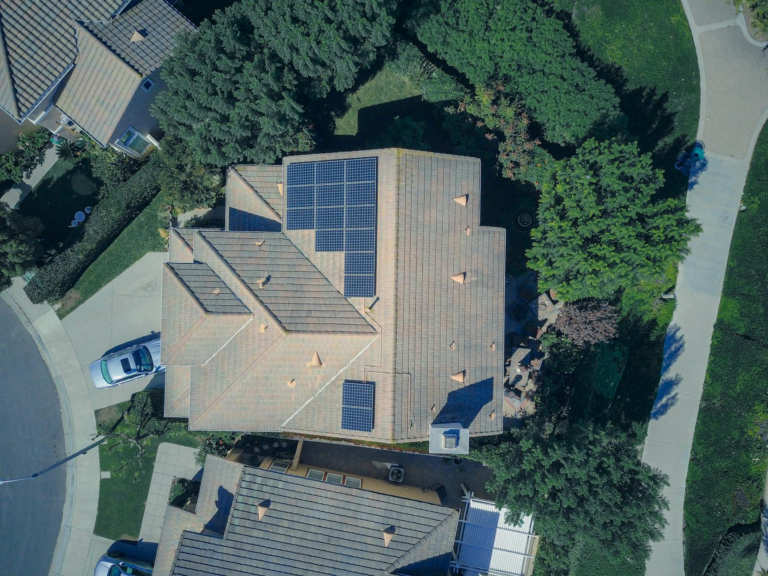
Solar energy has become a cornerstone of residential power in the Florida Panhandle, especially in communities like Pensacola, Navarre, and Tallahassee. While the region enjoys abundant sunshine, many homeowners discover that their panels do not always perform at peak efficiency. One of the most common culprits is partial shading, a condition that can reduce the amount of electricity a system generates at different times of the day. Understanding how partial shading solar output changes from sunrise to sunset helps homeowners make smarter design choices, optimize maintenance, and ultimately keep their energy bills low. In this article we’ll explore the physics behind shading, examine typical daily patterns in the Panhandle, and provide practical tips to mitigate losses.
Find us here:
Solar Cost Calculator – Florida Panhandle Only
* Estimate based on $3.25 per watt for solar installation.
* For Tesla Powerwall 3 Batteries, $15,000 for the first battery, $12,000 for each additional battery.
* Other variations and types of Batteries are available.
What Is Partial Shading?
Partial shading occurs when an object—such as a tree branch, a neighboring roof, or even a cloud—covers only a portion of a solar panel or a string of panels. Unlike full‑sun conditions, where every cell receives the same amount of light, shaded cells produce less current. Because solar cells are wired together in series and parallel configurations, the performance of a single shaded cell can influence the output of the entire string. The term “partial shading solar output” specifically refers to the measurable drop in power that results from these localized light reductions. In the Florida Panhandle, seasonal foliage growth and the angle of the sun create predictable shading windows that can be anticipated with proper site analysis.
How Shading Affects Solar Panel Output
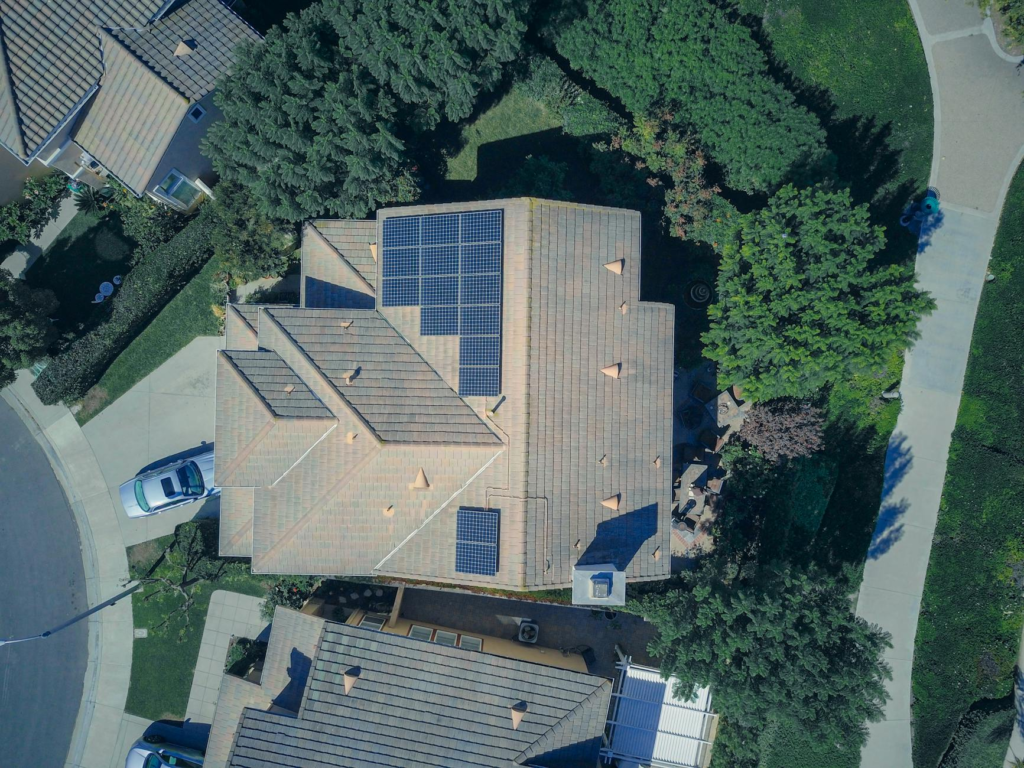
The electrical behavior of a photovoltaic (PV) module is governed by the current‑voltage (I‑V) curve. When a cell is shaded, its current output falls, and the voltage of the entire series string is forced to match the lowest‑producing cell. This mismatch can cause a dramatic dip in power—sometimes as much as 70 % loss for a single panel that is only 10 % shaded. Bypass diodes built into most modern panels help limit the damage by allowing current to “skip” around the affected cells, but the overall system still experiences reduced efficiency. Consequently, the phrase “partial shading solar output” captures the cumulative effect of many small shadows that together can shave off a noticeable portion of a home’s daily energy harvest.
Daily Shading Patterns in Pensacola, Navarre, and Tallahassee
Florida’s latitude means the sun tracks a high arc across the sky, but local topography and vegetation create distinct shading windows. In the early morning, low‑angle sunlight is often blocked by mature oak and pine trees that line residential streets. Mid‑day shading is typically minimal, but the occasional cloud bank can cast a moving shadow that drifts across a roof in a matter of minutes. In the late afternoon, the sun drops toward the western horizon, and taller structures—such as adjacent homes or commercial buildings—can shade the rear side of a solar array for several hours. Understanding these patterns allows installers to orient panels to capture the most sun when it matters most, thereby improving partial shading solar output throughout the day.
Technical Reasons Behind the Losses
Two technical concepts are essential to grasp why even a small shadow can cause outsized losses: series wiring and bypass diodes. When panels are wired in series, the current flowing through the string is limited by the weakest (i.e., most shaded) cell. This is similar to water flowing through a pipe that has a narrow section; the flow rate is dictated by the narrowest point. Bypass diodes, which are placed across groups of cells (often every 18‑20 cells), provide an alternate pathway for current when a group is shaded. While diodes prevent hot‑spot damage and allow the rest of the string to keep working, they also reduce the voltage contribution of the shaded section, leading to a net drop in power. This interplay explains why “partial shading solar output” can fluctuate dramatically over the course of a single day.
Real‑World Examples of Shading Throughout the Day
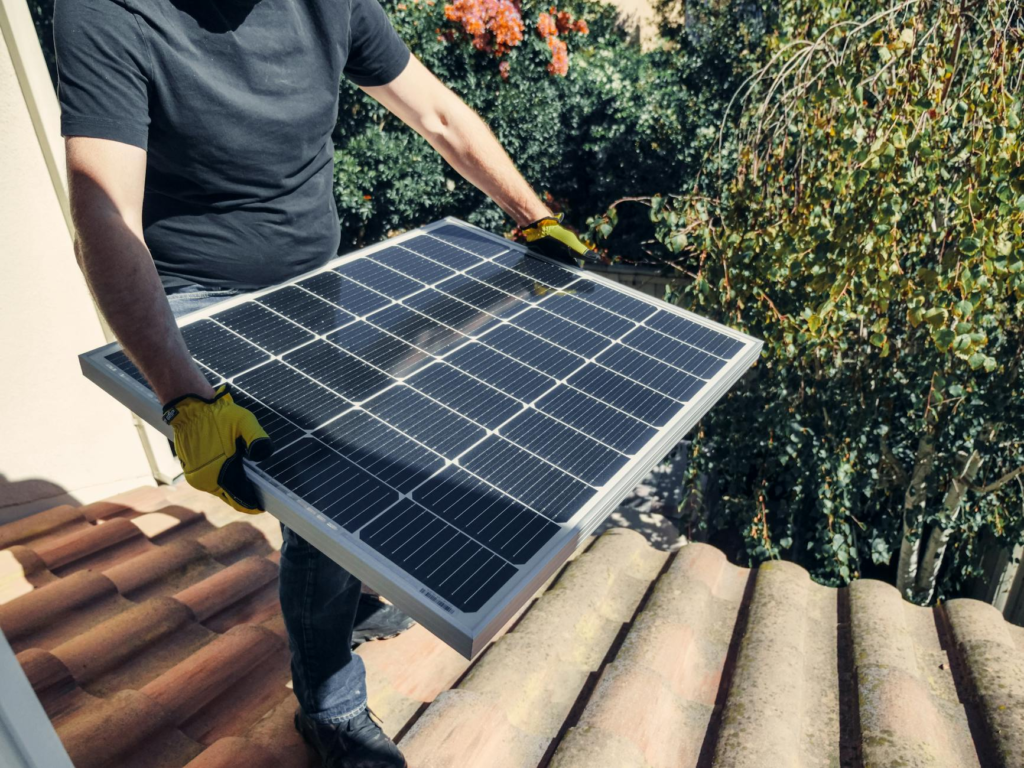
Below are three typical scenarios that homeowners in the Panhandle may encounter. Each example highlights how the timing and intensity of shade influence overall system performance.
- Morning Tree Shadow (7 am – 9 am): A large live oak on the property’s north side casts a long shadow that covers the lower third of the east‑facing panel array. During this period, partial shading solar output may drop by 20 % to 30 % compared with full‑sun conditions.
- Mid‑Day Cloud Pass (12 pm – 2 pm): A fast‑moving cumulus cloud bank drifts over the house, briefly shading the entire roof for 10‑15 minutes. Because the shading is temporary and affects all panels equally, the loss is relatively modest—usually around 5 % of daily production.
- Afternoon Building Shade (4 pm – 6 pm): A newly constructed two‑story commercial building to the west blocks the low‑angle sun, covering the rightmost two panels of a south‑facing array. This results in a sustained 15 % reduction in partial shading solar output for the remainder of the daylight hours.
Strategies to Reduce the Impact of Partial Shading
- **Site Survey and Tree Management:** Conduct a professional shade analysis before installation and trim or remove trees that cause persistent morning or evening shadows.
- **Optimized Array Orientation:** Tilt panels to a steeper angle (e.g., 30°–35°) when space permits, which can shift the sun’s path higher and reduce low‑angle shading.
- **String Configuration:** Use parallel strings instead of a single long series string to isolate shaded panels and prevent a single shadow from dragging down the whole system.
- **Micro‑Inverters or Power Optimizers:** Deploy these technologies to convert DC to AC at the panel level, allowing each module to operate independently and dramatically improving partial shading solar output.
- **Regular Maintenance:** Clean debris and inspect for new obstructions after storms or seasonal growth to keep shading at a minimum.
Monitoring Performance and Detecting Shading Issues
Modern solar monitoring platforms provide real‑time data on each panel’s voltage, current, and power output. By comparing these metrics against expected values for a given time of day, homeowners can quickly spot anomalies that may indicate new shading. For example, a sudden dip in one panel’s performance while neighboring panels remain stable often points to a localized shadow, such as a newly grown branch. Setting up alerts in the monitoring software ensures that any unexpected drop in partial shading solar output triggers an investigation before the loss becomes significant. Regular performance reviews, especially after seasonal changes, help maintain optimal energy production throughout the year.
Typical Output Losses at Different Shading Levels
| Shade Coverage | Estimated Daily Output Loss |
|---|---|
| 0 % (full sun) | 0 % |
| 10 % of a panel | 15 %–20 % |
| 30 % of a panel | 35 %–45 % |
| Full panel shaded | 70 %–80 % |
The table above illustrates how even modest shading can lead to disproportionate energy losses. Notice that a 10 % shaded area can cut output by up to 20 %, underscoring why careful site planning is essential for preserving partial shading solar output over the long term.
Choosing the Right System Layout for Shaded Sites
When a property is known to have chronic shading issues, designers often favor configurations that limit the impact of any single shadow. Split‑string layouts, where the total number of panels is divided into multiple smaller strings, keep a shaded panel from dragging down the entire array. Combining this approach with power optimizers or micro‑inverters creates a resilient system that can maintain high efficiency even when partial shading solar output fluctuates throughout the day. Additionally, selecting high‑efficiency panels with better low‑light performance can help offset occasional shadows caused by clouds or distant objects.
Professional Assessment and Local Considerations
Local solar installers in Pensacola, Navarre, and Tallahassee are familiar with the region’s unique shading challenges. A qualified contractor will perform a sun‑path analysis using tools like a Solar Pathfinder or a drone‑based LiDAR survey to map potential obstructions. They will also factor in future growth—such as tree maturation or new construction—so that the system remains robust for decades. Engaging a professional who understands the nuances of partial shading solar output ensures that the design not only meets today’s energy goals but also adapts to the evolving landscape of the Florida Panhandle.
By recognizing how shadows shift during sunrise, midday, and sunset, and by employing smart design and monitoring practices, homeowners can safeguard their investment and enjoy reliable, clean energy year after year.
