



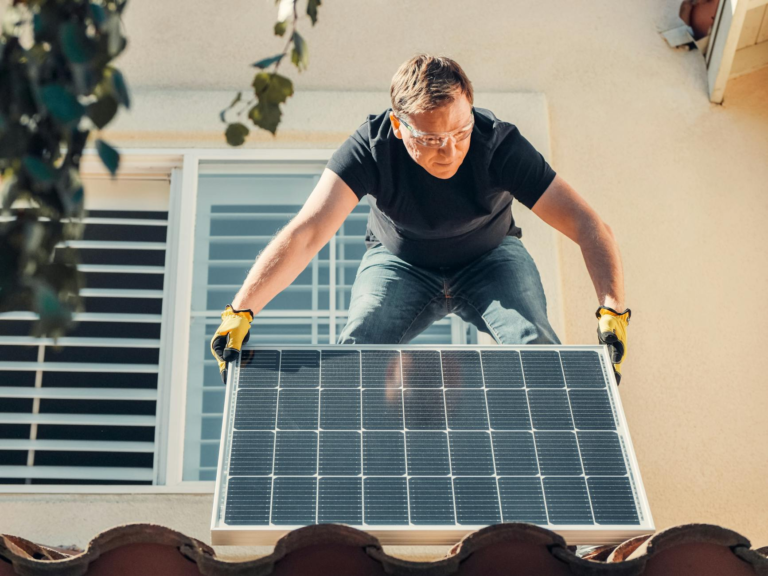
Understanding the Need for Multiple Protection Layers
When homeowners in the Florida Panhandle decide to invest in solar power, they are not just adding a clean energy source—they are also introducing a complex electrical system that interacts directly with the home’s existing wiring. This integration creates unique safety challenges, from lightning strikes to ground faults. That’s why solar system safety protection isn’t a single device but a series of coordinated safeguards. Each layer addresses a specific risk, and together they form a resilient barrier that keeps both people and property out of harm’s way. In this article we’ll explore why solar installations rely on multiple protection layers, how each layer works, and what Florida homeowners should look for when selecting a system.
Find us here:
Solar Cost Calculator – Florida Panhandle Only
* Estimate based on $3.25 per watt for solar installation.
* For Tesla Powerwall 3 Batteries, $15,000 for the first battery, $12,000 for each additional battery.
* Other variations and types of Batteries are available.
The Electrical Risks Unique to Solar Installations
Solar panels generate direct current (DC) that must be converted to alternating current (AC) before it can be used inside a home. This conversion process, combined with the rooftop exposure of panels, introduces several hazards. Lightning can travel along the conductive pathways of a solar array, potentially damaging equipment and creating fire risks. Additionally, the DC voltage can be high enough to cause arc flash incidents if not properly limited. Ground faults—where electricity finds an unintended path to earth—are more likely when panels are installed on metal roofs or in wet environments. Understanding these risks underscores why a single fuse or breaker is insufficient; a comprehensive approach to solar system safety protection is essential.
Core Layers of Protection in a Solar System
Modern solar installations typically incorporate three foundational layers of protection: over‑current protection, surge protection, and disconnect mechanisms. Each layer serves a distinct purpose, yet they are designed to work together seamlessly. Over‑current protection stops excessive current that could overheat wiring. Surge protection guards against voltage spikes caused by lightning or utility grid fluctuations. Disconnect mechanisms provide a safe way to isolate the solar array for maintenance or during emergencies. Together, these layers form the backbone of solar system safety protection strategies employed across the Gulf Coast.
Over‑Current Protection
Over‑current devices, such as DC fuses, circuit breakers, and protective relays, act as the first line of defense against electrical overloads. When a fault causes current to exceed the safe rating of the wiring, these devices trip or blow, cutting off the flow before damage can spread. In sunny Florida, high temperatures can increase the resistance of conductors, making proper sizing of over‑current devices even more critical. Selecting the right rating ensures that the system operates efficiently while maintaining the highest safety standards.
Surge Protection Devices (SPDs)
Surge protection devices are specifically engineered to clamp voltage spikes to safe levels. In the Florida Panhandle, thunderstorms are frequent, and a single lightning strike can generate a surge of thousands of volts. SPDs installed at the inverter, the service entrance, and sometimes even at the panel level, dissipate this excess energy, preventing it from reaching sensitive electronics. When properly coordinated, SPDs become a vital component of solar system safety protection, reducing the likelihood of costly equipment failure.
Disconnect Switches and Isolators
Disconnect switches provide a manual method to isolate the solar array from the home’s electrical system. They are required by the National Electrical Code (NEC) and are typically located near the inverter and at the roof. During maintenance, emergencies, or when the utility power is restored after an outage, a qualified technician can safely open the disconnect, ensuring no live voltage is present. This layer of protection not only safeguards workers but also protects homeowners from accidental contact with energized components.
Additional Protective Measures Beyond the Core Layers
While over‑current protection, surge protection, and disconnects form the core, many installers add supplementary safeguards to enhance overall reliability. These include grounding electrodes, arc‑fault circuit interrupters (AFCIs), and monitoring systems that alert owners to abnormal conditions. Each of these adds depth to the overall solar system safety protection plan, ensuring that even rare or unexpected events are addressed.
- Grounding electrodes create a low‑impedance path for fault currents, directing them safely into the earth.
- Arc‑fault circuit interrupters detect dangerous arcing conditions and shut down the circuit before a fire can start.
- Remote monitoring systems provide real‑time data on voltage, current, and temperature, allowing early detection of issues.
Benefits of a Multi‑Layered Protection Strategy
Implementing multiple protection layers offers several tangible benefits. First, redundancy ensures that if one device fails, another can still provide safety coverage. Second, layered protection can extend the lifespan of expensive components like inverters by shielding them from voltage spikes and overloads. Third, a well‑designed safety architecture can reduce insurance premiums, as insurers recognize the lowered risk of fire or electrical damage. Finally, homeowners gain peace of mind knowing that their solar investment complies with the highest safety standards, a crucial factor in the Florida Panhandle where weather extremes are common.
Florida Panhandle Specific Considerations
The Gulf Coast’s climate demands special attention to solar system safety protection. High humidity accelerates corrosion on metal components, so corrosion‑resistant hardware and proper sealing are essential. Additionally, the region’s hurricane season introduces wind forces that can dislodge panels, potentially exposing live conductors. Installing robust mounting systems, using UV‑stable wiring, and ensuring that all protective devices are rated for the local environment help maintain system integrity during severe weather events.
Comparing Protection Layers: What Each Offers
| Protection Layer | Primary Function | Typical Devices |
|---|---|---|
| Over‑Current | Stops excess current flow | DC fuses, breakers, relays |
| Surge Protection | Clamps voltage spikes | SPDs at inverter, service entrance |
| Disconnect | Provides safe isolation | Manual disconnect switches, isolators |
Common Misconceptions About Solar Safety
Many homeowners believe that a single breaker is enough to protect their solar installation. This misconception can lead to under‑protected systems that are vulnerable to lightning, arc faults, and ground faults. Another myth is that “solar panels are low voltage, so they’re safe.” While the panel voltage is DC and lower than typical household AC, the combined string voltage can be high enough to cause serious injury or fire if not properly managed. Educating customers about the layered approach to solar system safety protection helps dispel these myths and encourages smarter purchasing decisions.
Choosing the Right Protection Package for Your Home
Selecting a protection package starts with a professional site assessment. Certified installers evaluate roof material, shading, local weather patterns, and existing electrical infrastructure. Based on this analysis, they recommend the appropriate sizes for fuses, the number and location of SPDs, and the type of disconnect required by code. Homeowners should also ask about warranties on protective devices, as many manufacturers offer extended coverage when the devices are installed correctly. A comprehensive plan that incorporates all layers of protection ensures the system meets both safety and performance goals.
Maintenance Tips to Keep Protection Layers Effective
Even the best‑designed protection system requires regular maintenance. Inspect fuses and breakers annually for signs of corrosion or discoloration. Test SPDs using a calibrated surge tester to verify that they still clamp voltage within specifications. Verify that disconnect switches move freely and that lockout/tagout procedures are in place. Keeping a maintenance log helps track service dates and can be valuable documentation for insurance claims. Consistent upkeep preserves the integrity of the entire solar system safety protection framework.
Future Trends in Solar Safety Technology
Advancements in smart grid integration are introducing new safety features, such as automatic shutdowns triggered by utility signals during grid disturbances. Integrated monitoring platforms can now predict potential over‑current events before they happen, allowing pre‑emptive adjustments. As these technologies mature, the concept of layered protection will evolve from a collection of discrete devices to a coordinated, intelligent network. Nonetheless, the fundamental principle—multiple safeguards working together—will remain the cornerstone of solar system safety protection for years to come.
Conclusion
In the Florida Panhandle, where weather extremes and high humidity present unique challenges, relying on a single protective device is never enough. A multi‑layered approach—combining over‑current protection, surge protection, disconnects, and supplemental safeguards—provides the comprehensive solar system safety protection needed to keep homes safe, equipment functional, and peace of mind intact. By understanding each layer’s role, selecting the right components, and committing to regular maintenance, homeowners can enjoy the benefits of solar energy without compromising safety.
