



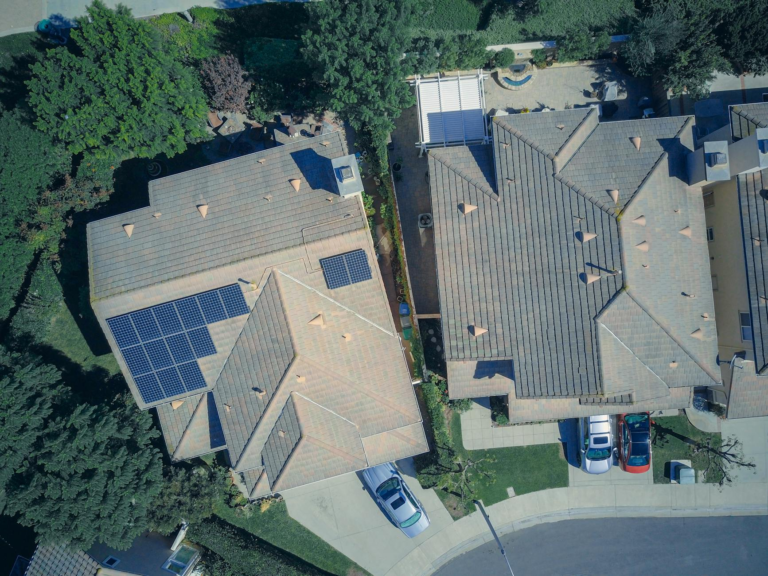
Introduction to Solar Smart Home Integration
In the sunny stretches of the Florida Panhandle, homeowners are increasingly turning to renewable energy solutions that do more than just lower electricity bills. Solar smart home integration blends the power of photovoltaic panels with the convenience of modern home automation, creating a seamless ecosystem where energy generation, storage, and consumption are intelligently managed. This synergy not only maximizes the return on investment for solar installations but also enhances comfort, security, and sustainability. As the technology matures, the line between a traditional solar array and a connected smart house blurs, offering residents unprecedented control over their energy footprint while enjoying the benefits of a fully automated living environment.
Find us here:
Solar Cost Calculator – Florida Panhandle Only
* Estimate based on $3.25 per watt for solar installation.
* For Tesla Powerwall 3 Batteries, $15,000 for the first battery, $12,000 for each additional battery.
* Other variations and types of Batteries are available.
Why the Convergence of Solar and Smart Home Technology Matters
The marriage of solar power and smart home systems addresses two core challenges: energy efficiency and user experience. By linking solar inverters, battery packs, and smart thermostats, a home can automatically shift loads to times when solar production peaks, reducing reliance on the grid and cutting utility costs. Moreover, real‑time monitoring through mobile apps provides homeowners with actionable insights, such as how much sunlight is being harvested or which appliances are consuming the most power. In the context of the Florida Panhandle’s abundant sunshine, this integration translates into tangible savings and a greener lifestyle, making solar smart home integration a compelling proposition for both new builds and retrofits.
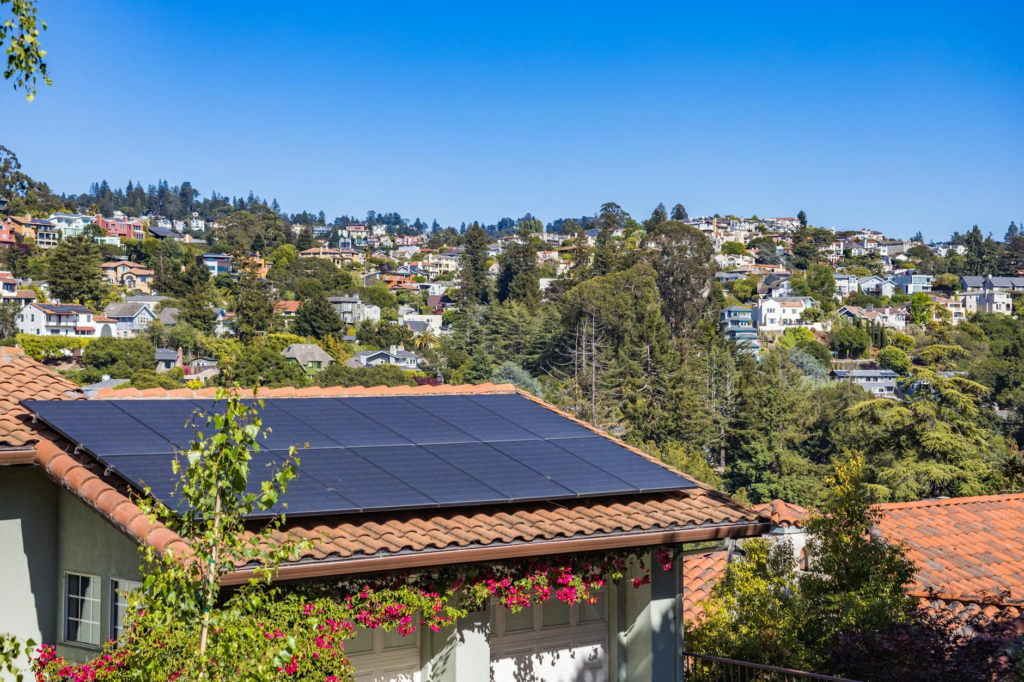
Core Components of Solar Smart Home Integration
Solar Panels and Inverters
The foundation of any solar system begins with photovoltaic panels that convert sunlight into direct current (DC) electricity. Modern inverters, especially those equipped with communication modules, translate this DC into alternating current (AC) for household use while also providing data streams to smart home hubs. These intelligent inverters can report performance metrics, detect faults, and even respond to commands from a central controller, forming the backbone of solar smart home integration.
Energy Storage Solutions
Battery storage adds a layer of resilience and flexibility. When paired with a smart energy management system, batteries can store excess solar generation during the day and discharge it during peak demand periods or nighttime. Advanced storage units communicate their state of charge, health, and forecasted availability, enabling the smart home to schedule high‑energy appliances—like water heaters or EV chargers—when stored solar power is most abundant.
Smart Home Hub and Controllers
At the heart of the integration lies a smart home hub—such as Amazon Alexa, Google Nest, or a dedicated home automation controller—that aggregates data from solar inverters, batteries, and other IoT devices. This hub runs automation scripts or uses AI-driven algorithms to balance energy usage, adjust lighting, control HVAC systems, and send alerts. By serving as the central nervous system, the hub ensures that every component works in harmony, delivering the full benefits of solar smart home integration.
Communication Protocols That Enable Seamless Interaction
Effective solar smart home integration depends on reliable communication standards. Popular protocols include Wi‑Fi for easy setup, Zigbee and Z‑Wave for low‑power mesh networking, and Thread for secure, low‑latency connections. Many inverters now support Modbus or SunSpec, allowing them to share data with third‑party platforms. Choosing devices that speak a common language reduces compatibility headaches and ensures that energy data flows smoothly between the solar array, storage, and home automation routines.
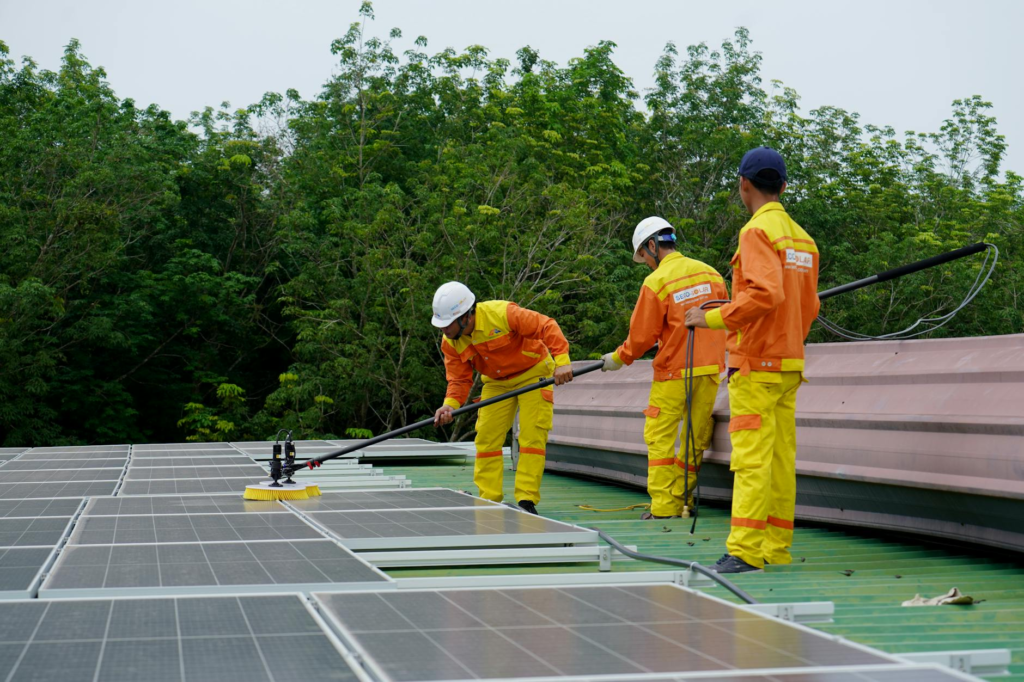
Benefits Specific to Florida Panhandle Homeowners
The Florida Panhandle enjoys high solar irradiance, mild winters, and a growing demand for resilient power solutions due to occasional storms. Integrating solar with smart home technology offers several localized advantages:
- Optimized use of peak sunlight hours, reducing reliance on expensive utility rates.
- Automated backup power management during grid outages, keeping essential devices running.
- Real‑time weather integration that can pre‑emptively adjust loads before a storm arrives.
- Enhanced property value, as buyers increasingly seek homes with sustainable, tech‑forward features.
These benefits translate into lower operating costs, increased comfort, and a stronger resale proposition, reinforcing why solar smart home integration is gaining traction across the region.
Practical Steps to Implement Solar Smart Home Integration
Embarking on a solar smart home journey involves careful planning and strategic selection of compatible hardware. Below is a concise roadmap to guide homeowners through the process.
- Energy Audit: Conduct a thorough assessment of current electricity usage, identifying high‑consumption devices and potential load‑shifting opportunities.
- Solar Site Evaluation: Work with a certified installer to determine the optimal panel layout, orientation, and system size based on roof space and shading.
- Select a Smart Hub: Choose a hub that supports the communication protocols used by your inverter and battery, ensuring future expandability.
- Choose Compatible Storage: Opt for batteries that offer open APIs or native integration with popular home automation platforms.
- Integrate and Automate: Use the hub’s automation engine to create rules—such as “run the dishwasher when battery SOC > 80%” or “dim lights if solar output exceeds 5 kW.”
- Monitor and Optimize: Regularly review performance dashboards, adjust schedules, and fine‑tune settings to maximize savings.
Example of a Typical Solar Smart Home Setup
To illustrate how the components work together, the table below outlines a common configuration for a mid‑size Panhandle residence, highlighting each device’s role and the integration points that enable intelligent energy management.
| Component | Function | Integration Point |
|---|---|---|
| 12 kW Photovoltaic Array | Generates DC power from sunlight | Communicates via SunSpec to inverter |
| Hybrid Inverter (Wi‑Fi enabled) | Converts DC to AC, manages grid tie | Pushes real‑time data to smart hub |
| 10 kWh Lithium‑Ion Battery | Stores excess solar energy | Exposes SOC and charge schedule via Modbus |
| Smart Thermostat (Zigbee) | Controls HVAC based on temperature | Receives load‑shifting commands from hub |
| Smart Lighting (Z‑Wave) | Adjusts brightness and schedules | Triggers dimming when solar output peaks |
In this scenario, the smart hub continuously receives production data from the inverter and storage status from the battery. When the solar array is producing more than the home’s immediate demand, the hub directs excess power to charge the battery and simultaneously dims non‑essential lighting, creating a balanced, cost‑effective operation.
Future Trends Shaping Solar Smart Home Integration
Looking ahead, several emerging technologies promise to deepen the synergy between solar power and smart home ecosystems. Artificial intelligence will enable predictive energy scheduling based on weather forecasts, occupancy patterns, and utility rate fluctuations. Vehicle‑to‑home (V2H) capabilities will allow electric cars to act as mobile storage units, feeding power back into the house during outages. Additionally, blockchain‑based energy trading could let homeowners sell surplus solar energy directly to neighbors, all orchestrated through a unified smart home platform. As these innovations mature, solar smart home integration will evolve from a convenience to a cornerstone of resilient, zero‑carbon residential living.
Conclusion
For homeowners in the Florida Panhandle, embracing solar smart home integration offers a powerful combination of cost savings, energy independence, and modern convenience. By thoughtfully selecting compatible components, leveraging robust communication protocols, and employing intelligent automation, residents can transform their homes into responsive, sustainable habitats that thrive on the abundant sunshine of the Gulf Coast.
