



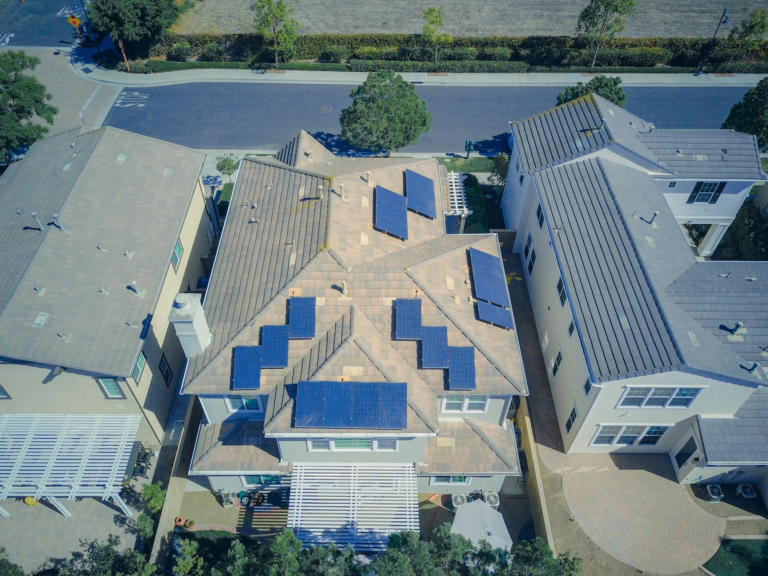
Understanding the Need for Scalable Solar Systems at Home
Homeowners in Crestview and Panama City are increasingly turning to solar power to reduce utility bills, lower carbon footprints, and gain energy independence. Yet, many families underestimate how quickly a household’s electricity demand can change. New appliances, electric vehicles, home expansions, and evolving lifestyle habits can all push a home’s consumption beyond the capacity of an initially installed system. That is why the concept of scalable solar systems home has become a cornerstone of modern residential solar design. A scalable approach means the solar array can grow alongside the household’s energy needs, ensuring that the investment remains effective for years to come without costly over‑hauls or wasted rooftop space.
Find us here:
Solar Cost Calculator – Florida Panhandle Only
* Estimate based on $3.25 per watt for solar installation.
* For Tesla Powerwall 3 Batteries, $15,000 for the first battery, $12,000 for each additional battery.
* Other variations and types of Batteries are available.
What Makes a Solar System Scalable?
A scalable solar system is built on three fundamental principles: modular hardware, flexible electrical architecture, and forward‑thinking financing. First, modular hardware—such as panel strings that can be added in increments—allows a homeowner to start with a modest array and expand it later. Second, a flexible electrical architecture includes oversizing the inverter, using combiner boxes that accommodate extra inputs, and wiring the system in a way that future panels can be integrated without major re‑routing. Third, financing options like lease‑to‑own, power purchase agreements (PPAs), or incremental cash‑out loans give families the ability to add capacity when the budget permits. When these elements are combined, the result is a scalable solar systems home that can adapt to everything from a new electric heat pump to a second electric car.
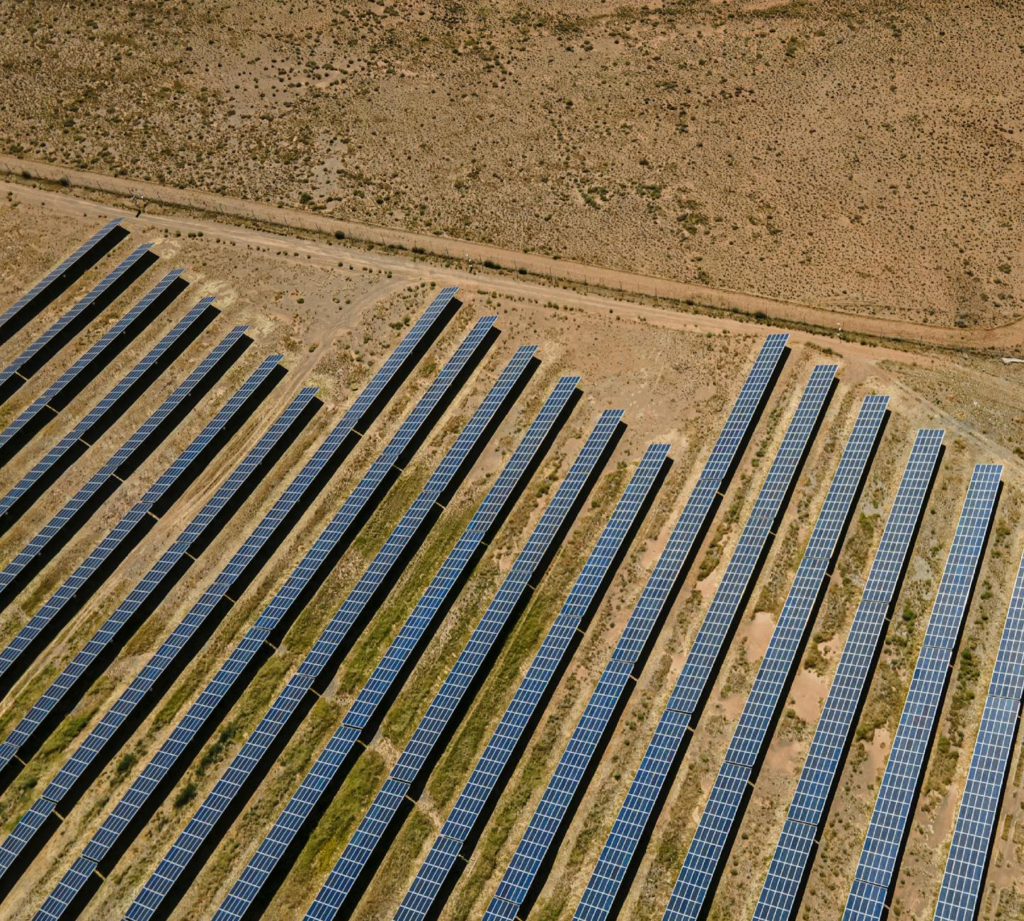
- Modular panel mounting systems that accept additional rows.
- Inverters with higher input limits than the initial install.
- Pre‑sized conduit and wiring pathways for future expansion.
- Financing structures that allow phased investment.
Planning for Future Energy Growth
Before any solar equipment touches the roof, a thorough energy audit should be performed. This audit looks at current usage patterns, projected additions (like an electric vehicle charger or a home office), and seasonal variations in demand. In Crestview and Panama City, the average household consumes about 12,000 kWh per year, but families who adopt electric vehicles can see that number rise to 18,000 kWh or more. By mapping out a 5‑ to 10‑year growth curve, the solar designer can recommend an initial system that covers present needs while leaving room for future modules. This forward‑looking strategy is the essence of a scalable solar systems home and prevents the disappointment of outgrowing a system just a few years after installation.
Modular Design: Adding Panels Over Time
One of the most tangible ways to scale a solar array is by adding more photovoltaic panels. Modern mounting rails are engineered to accept extra panels without requiring new structural supports. For example, a homeowner might begin with a 5 kW system composed of twenty 250‑W panels. As the family’s electricity demand rises, they can simply attach an additional row of ten 300‑W panels, boosting the system to 8 kW. The key is to ensure that the inverter and wiring were originally sized to handle the larger future capacity. When done correctly, this incremental approach makes the home’s solar investment truly adaptable, embodying the promise of scalable solar systems home.

Inverter and Storage Considerations
Inverters translate the DC electricity generated by panels into usable AC power for the house. Selecting an inverter with a higher input rating than the initial panel array provides a buffer for future expansion. Many manufacturers offer “oversized” inverters that can handle up to 150 % of the starting capacity, meaning a 5 kW system can later grow to 7.5 kW without replacing the inverter. Battery storage adds another layer of scalability. By installing a battery management system (BMS) with expandable modules, homeowners can start with a modest 5 kWh battery and later add more modules to reach 15 kWh or more, aligning storage with the growing solar generation. This approach keeps the scalable solar systems home concept cohesive across generation and storage.
Financial Incentives in Crestview and Panama City
Both Crestview and Panama City offer a suite of incentives that make expanding a solar system more affordable. The Florida Solar Energy System (FSES) rebate provides a per‑watt credit for installations, and many utilities in the region offer net‑metering credits that apply to any additional generation capacity. Moreover, the federal Investment Tax Credit (ITC) can be claimed on the total cost of the expanded system, not just the initial build. By timing expansions to coincide with these incentive windows, homeowners can maximize savings while maintaining a scalable solar systems home that meets evolving energy goals.
| System Size (kW) | Annual Production (kWh) | Typical Household Usage | Fit for Current Needs? |
|---|---|---|---|
| 5 | 7,500 | 12,000 kWh | No – supplemental grid power needed |
| 8 | 12,000 | 12,000 kWh | Yes – covers average consumption |
| 10 | 15,000 | 18,000 kWh | Partial – good for EV owners |
| 12 | 18,000 | 20,000 kWh | Yes – future‑proof for larger homes |
Step‑by‑Step Guide to Expanding Your System
Expanding a solar array doesn’t have to be a daunting project. Follow these seven steps to ensure a smooth transition while preserving the integrity of your scalable solar systems home strategy:
- Re‑evaluate your energy usage: Pull the latest utility bills and note any new loads such as EV charging or a heat pump.
- Consult your installer: Share the updated load profile and discuss inverter headroom and wiring capacity.
- Select additional panels: Choose panels that match or exceed the efficiency of the existing ones to maintain uniform performance.
- Plan mounting logistics: Verify that the roof space and mounting rails can accommodate the extra rows.
- Schedule the installation: Coordinate with the installer to add panels, update the combiner box if needed, and run any new conduit.
- Update the monitoring system: Ensure the new panels are reflected in your solar app for accurate production tracking.
- Apply for incentives: Submit paperwork for any applicable rebates or tax credits before the end of the fiscal year.
Common Myths About Expanding Solar
Many homeowners hesitate to grow their solar installations because of misconceptions. One myth is that adding panels will require a completely new inverter. In reality, a properly sized inverter can handle additional capacity, especially when it was selected with scalability in mind. Another false belief is that expanding the system will void warranties. Most reputable manufacturers and installers provide warranties that cover future expansions, provided the work follows the original design specifications. Finally, some think that incentives disappear after the first install. While certain rebates are one‑time, the federal ITC and many local programs apply to each expansion, reinforcing the economic viability of a scalable solar systems home.
Maintenance and Performance Monitoring
As the system grows, maintenance routines should evolve as well. Regular cleaning of panels, inspection of mounting hardware, and periodic inverter firmware updates remain essential. However, larger arrays benefit from more sophisticated monitoring platforms that can isolate performance at the string level. This granularity helps identify underperforming panels quickly, ensuring that each addition contributes fully to the home’s energy production. A robust monitoring setup also provides the data needed to justify future expansions, reinforcing the strategic value of a scalable solar systems home.
Future‑Proofing with Smart Home Integration
Integrating solar with smart home technologies creates an ecosystem that automatically balances generation, storage, and consumption. Smart thermostats can shift heating or cooling loads to times when solar output peaks, while EV chargers can be programmed to draw power only when excess energy is available. Home energy management systems (HEMS) can forecast production based on weather data and suggest optimal times for running high‑energy appliances. By designing a scalable solar systems home that embraces these smart controls from the outset, homeowners in Crestview and Panama City position themselves to reap maximum efficiency benefits as their energy needs evolve.
In summary, the ability to expand a solar installation as household energy demands increase is no longer a luxury—it’s a practical necessity for modern homeowners. By choosing modular hardware, oversizing inverters, planning for future wiring, and leveraging local incentives, families can build a truly scalable solar systems home that delivers reliable, cost‑effective power for years to come. Whether you’re starting with a modest 5 kW array or already have a 10 kW setup, the roadmap outlined above provides a clear path to growth, ensuring that your solar investment continues to match the rhythm of your life.
