



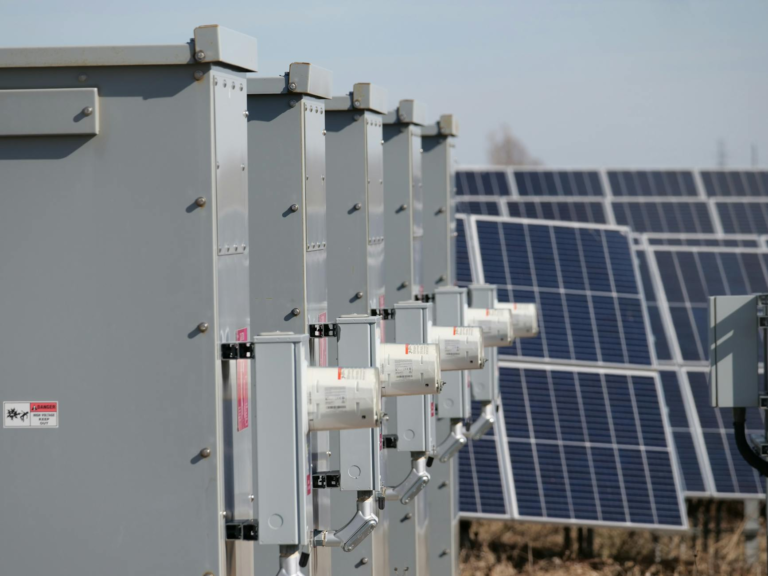
When a solar installation is designed, the focus often lands on total capacity, roof space, and overall cost. Yet, a subtle factor can erode the promised performance: solar mismatch losses system. Small differences between panels—whether caused by manufacturing tolerances, shading, or degradation—can quietly reduce the output of an entire array. In the sunny regions of Pensacola and Navarre, where homeowners and businesses rely on every watt of clean energy, understanding and addressing these mismatches becomes essential for maximizing return on investment.
Find us here:
Solar Cost Calculator – Florida Panhandle Only
* Estimate based on $3.25 per watt for solar installation.
* For Tesla Powerwall 3 Batteries, $15,000 for the first battery, $12,000 for each additional battery.
* Other variations and types of Batteries are available.
What Is a Solar Mismatch Losses System?
The term “solar mismatch losses system” refers to the reduction in energy production that occurs when individual photovoltaic (PV) modules within an array do not perform identically. In an ideal world, every panel would generate the exact same voltage and current under the same conditions, allowing the inverter to convert the combined DC power to AC efficiently. In reality, variations in cell temperature, manufacturing tolerances, and even slight differences in orientation create a cascade of inefficiencies that can shave anywhere from 2 % to 10 % off the expected output.
Why Mismatch Happens
Several factors contribute to a solar mismatch losses system:
- Manufacturing tolerances: Even high‑quality panels have a ±5 % variance in power rating.
- Temperature gradients: Panels receiving different amounts of wind or sunlight will operate at different temperatures, affecting voltage.
- Shade and soiling: Partial shading from trees, nearby structures, or accumulated dust can cause a single panel to drag down the whole string.
- Age and degradation: Over time, some modules degrade faster than others, creating a mismatch within the same array.
Each of these contributors may seem minor on its own, but when they combine across dozens or hundreds of panels, the cumulative effect can be significant. For a solar mismatch losses system, the key is to recognize that the whole is often less than the sum of its parts.
How Mismatch Affects Overall System Efficiency
The primary way a solar mismatch losses system impacts performance is through the “bottleneck” effect. In a series‑connected string, the current flowing through the string is limited by the lowest‑current panel. If one panel produces 5 % less current due to shade, the entire string’s current drops, and the inverter cannot harvest the full power potential of the remaining panels.
Conversely, in a parallel configuration, voltage mismatches can cause power to be diverted away from the optimal path, leading to additional losses. In both cases, the inverter’s maximum power point tracking (MPPT) algorithm works to find the best operating point, but it can only compensate so much before the mismatch dominates the output curve.
For residential installations in Pensacola, where the average daily solar irradiance is high, a 5 % mismatch loss can translate to several hundred kilowatt‑hours lost each year—enough to affect utility bill savings and the payback period of the system.
Quantifying the Losses
| Cause of Mismatch | Typical Loss Range |
|---|---|
| Manufacturing tolerance | 1 % – 3 % |
| Partial shading | 3 % – 8 % |
| Temperature differences | 1 % – 4 % |
| Module degradation | 0.5 % – 2 % per year |
The table above outlines the most common contributors to a solar mismatch losses system and the typical range of efficiency loss each can cause. While these numbers are averages, the actual impact on any given installation will depend on site‑specific conditions such as roof pitch, local micro‑climate, and maintenance practices.
Measuring and Diagnosing Mismatch in the Field
Identifying a solar mismatch losses system starts with data collection. Modern inverters often provide string‑level performance metrics, allowing installers to spot underperforming strings quickly. Thermal imaging cameras are also valuable; hotter panels usually indicate higher resistance or shading, which can be a sign of mismatch.
Key diagnostic steps include:
- Review inverter logs for string current discrepancies.
- Perform a visual inspection for debris, bird droppings, or shading objects.
- Use a solar irradiance meter to verify uniform sunlight across the array.
- Conduct a module‑by‑module IV curve test to pinpoint outliers.
Once the problematic modules are identified, the next step is to determine whether the issue is temporary (e.g., a leaf causing shade) or permanent (e.g., a defective panel). This distinction guides the remediation strategy.
Strategies to Minimize Solar Mismatch Losses System
Reducing the impact of a solar mismatch losses system involves both design‑phase considerations and ongoing maintenance. Below are proven tactics that installers and owners in the Gulf Coast can adopt.
- String sizing and module matching: Group panels with similar power ratings and temperature coefficients together. When possible, purchase modules from the same production batch.
- Use of power optimizers or micro‑inverters: These devices perform MPPT at the panel level, effectively isolating each module from its neighbors and eliminating most series‑string mismatch.
- Strategic layout: Avoid placing panels near potential shade sources such as chimneys, trees, or HVAC units. Slight adjustments in orientation can equalize temperature exposure.
- Regular cleaning schedule: In coastal areas like Navarre, salt spray and bird droppings can accumulate quickly. A quarterly cleaning routine helps keep irradiance uniform.
- Temperature management: Ensure adequate airflow behind panels by using mounting racks with spacing that promotes cooling, especially on hot summer days.
For large commercial projects, designers may also consider “parallel string” configurations, where multiple smaller strings feed a single inverter. This approach reduces the risk that a single underperforming panel drags down an entire high‑current string.
Choosing the Right Equipment
When selecting components, look for manufacturers that provide tight tolerance specifications (e.g., ±3 % power rating). Additionally, many inverter brands now list “mismatch tolerance” in their datasheets, indicating how well the inverter can handle variance across strings. Pairing a low‑mismatch inverter with high‑quality panels further mitigates the solar mismatch losses system effect.
Real‑World Example: Pensacola Residential Installation
John, a homeowner in Pensacola, installed a 7 kW rooftop system using 20 W‑type panels. After a year, his utility bill showed only a 5 % reduction, far below the projected 12 % savings. An inspection revealed that a nearby palm tree cast a moving shadow across the western edge of the array during peak afternoon hours. The shading caused a solar mismatch losses system that reduced the output of the affected string by roughly 7 %.
By trimming the tree and adding micro‑inverters to each panel, John reclaimed the lost efficiency. His system now operates within 1 % of the expected performance, demonstrating how addressing mismatch can dramatically improve the bottom line.
Navarre Commercial Project: Mitigating Mismatch from the Start
A small business in Navarre commissioned a 25 kW solar array to power its office and showroom. The design team employed power optimizers on every module and performed a detailed shading analysis using 3‑D modeling software. By grouping modules with similar temperature coefficients and ensuring uniform airflow, the project limited solar mismatch losses system to less than 1 % during the first year of operation.
Annual performance reports show that the array consistently generates 28 MWh, exceeding the client’s expectations and delivering a faster payback period. This case underscores the value of proactive planning to curb mismatch losses before they manifest.
Maintenance Practices to Keep Mismatch at Bay
Even the best‑designed system can develop mismatch over time. Regular maintenance is the final line of defense against a solar mismatch losses system creeping in unnoticed.
- Schedule bi‑annual visual inspections to spot discoloration or debris.
- Run inverter diagnostics after major weather events (e.g., hurricanes) to catch any panel damage.
- Update firmware on optimizers and micro‑inverters to benefit from improved MPPT algorithms.
- Document performance trends; sudden drops in string current often point to emerging mismatch issues.
By keeping a close eye on these indicators, owners in both Pensacola and Navarre can ensure that their solar investments continue to deliver optimal energy output throughout the system’s lifespan.
Future Trends: Reducing Mismatch with Advanced Technology
Emerging technologies promise to further diminish the impact of a solar mismatch losses system. Smart modules equipped with built‑in sensors can communicate real‑time performance data to a cloud platform, allowing for instant identification of underperforming panels. Additionally, AI‑driven MPPT algorithms are being integrated into next‑generation inverters, offering dynamic compensation for temperature and irradiance variations on a per‑string basis.
While these innovations are still rolling out, early adopters in the Gulf Coast are already seeing measurable gains. As the cost of smart components declines, the barrier to implementing such solutions will lower, making it feasible for even modest residential systems to virtually eliminate mismatch losses.
Conclusion
Understanding and addressing solar mismatch losses system is crucial for anyone looking to maximize the efficiency and financial return of a solar installation in Pensacola, Navarre, or similar climates. By selecting matched modules, employing panel‑level power electronics, designing with shading in mind, and committing to regular maintenance, system owners can keep mismatch to a minimum and ensure that every ray of sunshine is put to work.
