



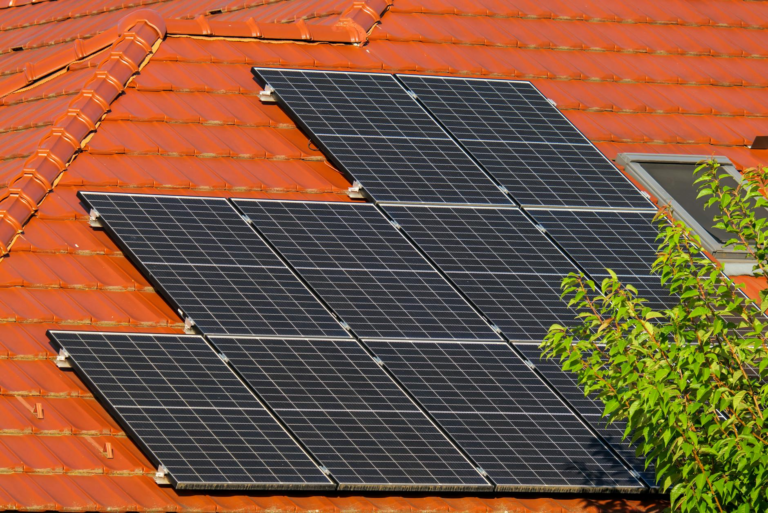
Understanding Moisture Ingress in Coastal Solar Installations
When solar panels are installed near the ocean, the environment introduces a unique set of challenges that are rarely encountered inland. The combination of salty sea breezes, high humidity, and frequent temperature fluctuations creates a perfect storm for moisture to find its way into the delicate components of a photovoltaic system. This phenomenon, known as moisture ingress, can compromise the electrical integrity of panels, degrade protective coatings, and ultimately shorten the lifespan of the entire array. For homeowners and businesses in Destin, Mexico Beach, and other Gulf‑coast communities, recognizing the risk of moisture ingress solar panels is the first step toward protecting a significant investment.
Find us here:
Solar Cost Calculator – Florida Panhandle Only
* Estimate based on $3.25 per watt for solar installation.
* For Tesla Powerwall 3 Batteries, $15,000 for the first battery, $12,000 for each additional battery.
* Other variations and types of Batteries are available.
What Exactly Is Moisture Ingress?
Moisture ingress refers to the unwanted penetration of water vapor or liquid water into the internal layers of a solar module. Modern panels are built with laminated glass, encapsulants, and back sheets designed to keep moisture out, but these barriers can be breached by manufacturing defects, aging, or improper installation. Once water reaches the cells or interconnections, it can cause corrosion, delamination, and electrical leakage. In a coastal setting, the risk is amplified because the air often contains microscopic salt particles that accelerate corrosion once moisture makes contact with metal contacts.
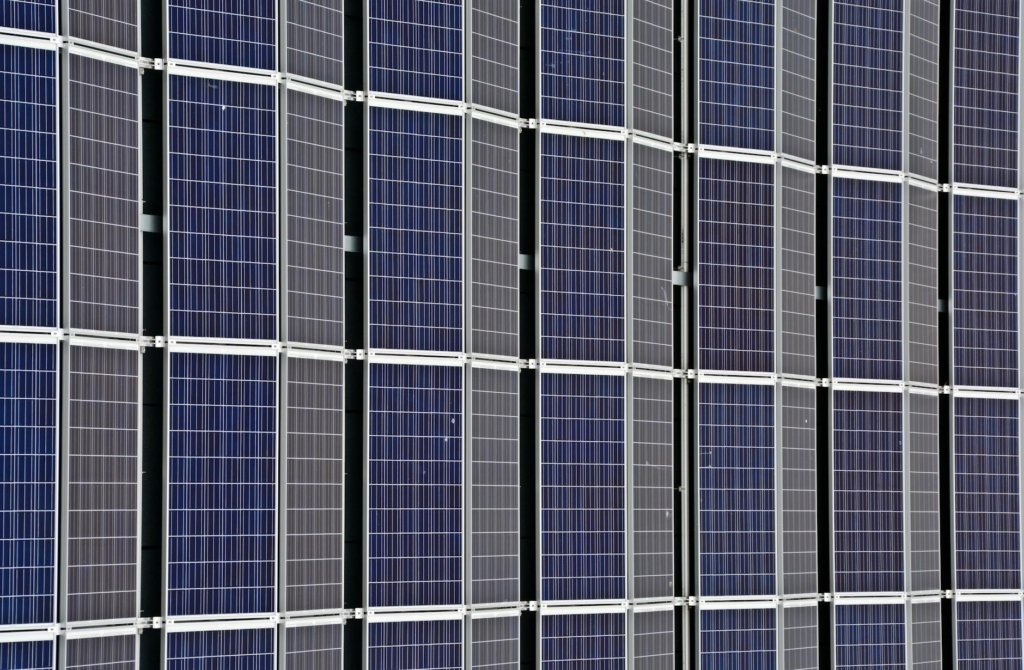
Why Coastal Environments Heighten the Risk
The Gulf Coast experiences some of the highest relative humidity levels in the United States, especially during summer months when sea breezes dominate the local climate. In Destin and Mexico Beach, humidity routinely exceeds 80 % and can remain elevated for days on end after a front passes. This persistent moisture in the air increases the likelihood that water vapor will condense on cool surfaces of a solar array, especially during nighttime temperature drops. When condensation occurs on the backside of the panel or within the frame, it can seep into any tiny gaps left by imperfect sealing.
Salt-laden air is another critical factor. Sodium chloride particles act like microscopic abrasives, wearing down sealants and protective coatings over time. When these particles combine with moisture, they create an electrolytic solution that speeds up corrosion of metal components such as the frame, mounting hardware, and the ribbon cables that connect cells together. The result is a faster progression from minor moisture ingress to visible performance loss.
Impact of Moisture Ingress on Solar Panel Performance
Even a small amount of moisture inside a solar panel can have outsized effects on its output. Water conducts electricity, and when it infiltrates the cell interconnects, it creates unintended pathways for current to flow. This phenomenon, known as “leakage current,” reduces the overall efficiency of the module and can trigger safety mechanisms that shut down the inverter. Over time, the cumulative loss can amount to a 5 %–15 % reduction in energy production, directly affecting the return on investment for the system owner.
Beyond performance, moisture ingress can lead to safety hazards. Corroded connections may overheat, increasing the risk of hot spots that can ignite surrounding materials. In extreme cases, water‑induced short circuits can cause inverter failure, requiring costly replacements. For coastal homeowners who rely on solar power during hurricane season, these failures can leave a property without backup electricity when it is needed most.
Common Failure Modes Linked to Moisture Ingress
- Delamination of the encapsulant, leading to visible bubbling on the panel surface.
- Corrosion of busbars and ribbon connectors, visible as rust stains on the back sheet.
- Formation of hot spots caused by uneven current flow, detectable with an infrared camera.
- Reduced open‑circuit voltage (Voc) and short‑circuit current (Isc) measurements during performance testing.
- Premature failure of the inverter due to upstream leakage currents.
Design and Material Choices That Mitigate Moisture Ingress
Choosing the right components is essential for coastal installations. Panels rated with a high IEC 61730 certification, especially those featuring a robust back sheet made from polyvinyl fluoride (PVF) or fluorinated ethylene propylene (FEP), provide superior resistance to moisture and salt. Additionally, frames fabricated from anodized aluminum or stainless steel are less prone to corrosion compared to standard aluminum alloys.
Another key design consideration is the use of sealed junction boxes with silicone gaskets that meet IP68 standards. These boxes protect the module’s electrical connections from both rain and sea spray. When the system includes micro‑inverters or power optimizers, selecting units that are also rated for marine environments further reduces the overall vulnerability to moisture ingress solar panels.
Installation Best Practices for Coastal Sites
Even the best‑designed panels can fail if they are not installed correctly. Installers should follow a strict checklist to minimize gaps where water can enter:
- Apply a continuous, marine‑grade sealant along all panel edges and around mounting brackets.
- Ensure that the roof or ground mounting surface is sloped to promote water runoff away from the array.
- Use stainless‑steel mounting hardware with appropriate torque specifications to avoid loosening under wind loads.
- Leave a small air gap between the back sheet and the mounting surface to allow ventilation and reduce condensation.
- Perform a water spray test after installation to verify that no water penetrates the panel frames.
Proper cable management also plays a role. All conduit connections should be sealed with UV‑resistant tape, and any outdoor junction boxes must be placed in locations sheltered from direct sea spray.
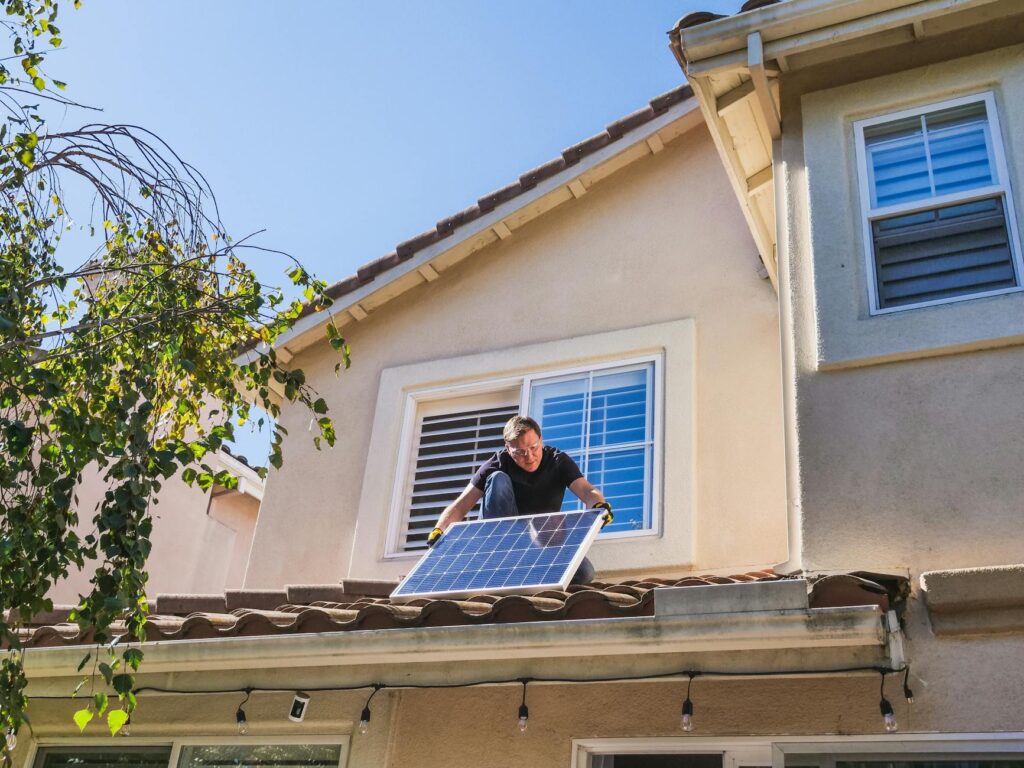
Maintenance Strategies to Detect and Prevent Moisture Damage
Regular maintenance is the most effective way to catch early signs of moisture ingress before they become costly repairs. A quarterly visual inspection should focus on the panel edges, frame joints, and junction boxes for any signs of corrosion, discoloration, or bubbling. Thermal imaging once or twice a year can reveal hidden hot spots that indicate internal moisture problems.
Cleaning should be performed with fresh water and a soft brush; avoid high‑pressure washers that could force water into seams. After each cleaning session, it is advisable to dry the panels with a low‑pressure air blower, especially in the early morning when humidity is still high.
Cost Implications of Moisture Ingress Failures
The financial impact of moisture ingress can be significant. Replacing a single damaged panel typically costs between $300 and $500, not including labor. If corrosion spreads to the mounting system or inverter, repair costs can climb into the thousands. Moreover, the loss of energy production reduces the projected savings on utility bills, extending the payback period of the solar investment by several years.
Case Study: Destin and Mexico Beach Installations
In 2022, a residential solar system installed on a beachfront property in Destin began showing a 10 % drop in output after just 18 months. An inspection revealed moisture ingress solar panels had suffered back‑sheet delamination due to prolonged exposure to salty air. The homeowner opted to replace the affected modules with panels featuring a fluoropolymer back sheet and upgraded to stainless‑steel mounting hardware. After the retrofit, the system’s performance rebounded, and the homeowner reported a 25 % increase in annual energy yield compared to the period before the failure.
A similar scenario unfolded in Mexico Beach, where a commercial rooftop array experienced inverter shutdowns during the humid summer months. The cause was traced to corrosion in the junction boxes, a direct result of moisture ingress solar panels being exposed to sea spray without adequate sealing. The solution involved installing IP68‑rated junction boxes and applying a marine sealant to all panel edges. Post‑upgrade monitoring showed a 98 % system availability rate, underscoring the importance of proper sealing in coastal environments.
Choosing the Right Contractor for Coastal Solar Projects
Homeowners should look for installers who have experience with marine‑grade equipment and can demonstrate a clear process for protecting against moisture ingress. Ask potential contractors about their sealing methods, the types of back sheets they recommend, and whether they conduct post‑installation water spray tests. A reputable installer will also provide a maintenance plan that includes regular inspections and thermal imaging checks.
Quick Reference: Moisture‑Ingress Prevention Checklist
| Item | Action |
|---|---|
| Panel Selection | Use PVF or FEP back sheet, marine‑grade frame |
| Junction Box | IP68 rating, silicone gasket seal |
| Sealant | Apply continuous marine‑grade silicone on edges |
| Mounting Hardware | Stainless steel, proper torque |
| Inspection | Quarterly visual check, annual thermal imaging |
Future Trends: How Technology Is Tackling Moisture Ingress
Manufacturers are investing in advanced barrier technologies, such as nano‑coated glass and self‑healing encapsulants, that promise to further reduce the risk of moisture ingress solar panels. Additionally, integrated sensor systems that monitor humidity levels inside the module are being piloted, providing real‑time alerts before corrosion can take hold. As these innovations become mainstream, coastal solar owners can expect longer warranties and even higher reliability.
Conclusion
Moisture ingress remains a critical risk for solar installations along the Gulf Coast, where high humidity and salty air constantly test the durability of photovoltaic systems. By understanding the mechanisms of water penetration, selecting marine‑grade components, adhering to rigorous installation standards, and committing to proactive maintenance, homeowners in Destin, Mexico Beach, and surrounding areas can safeguard their solar investments and enjoy reliable, clean energy for decades.
