



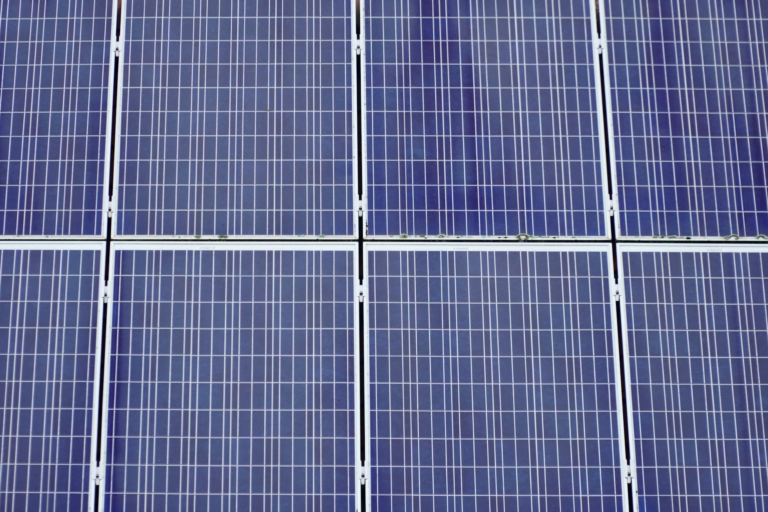
Understanding UV Exposure and Its Role in Solar Panel Aging
When homeowners and commercial installers choose photovoltaic (PV) systems, they often focus on efficiency ratings, warranty periods, and upfront costs. Yet one of the most silent yet powerful forces that determines how long a solar array will perform is ultraviolet (UV) radiation. In regions like the Florida Panhandle, where sunlight is abundant and UV indices regularly climb into the high teens, the cumulative effect of UV exposure can accelerate the natural aging process of solar panels. This phenomenon—commonly referred to as uv exposure solar panel aging—is a blend of chemical, mechanical, and thermal stresses that slowly degrade the materials that make up a PV module.
In this comprehensive guide, we’ll explore the science behind UV‑induced degradation, examine how different panel technologies respond to relentless sunlight, and provide practical steps to protect your investment. By the end of the article, you’ll have a clear picture of why UV exposure matters, how it shapes the long‑term durability of solar installations, and what you can do to mitigate its impact.
Find us here:
Solar Cost Calculator – Florida Panhandle Only
* Estimate based on $3.25 per watt for solar installation.
* For Tesla Powerwall 3 Batteries, $15,000 for the first battery, $12,000 for each additional battery.
* Other variations and types of Batteries are available.
The Science Behind UV‑Induced Material Degradation
Ultraviolet light sits at the short‑wavelength end of the solar spectrum, carrying more energy per photon than visible light. When UV photons strike the surface of a solar panel, they can break molecular bonds in polymers, adhesives, and the encapsulant layers that protect the delicate silicon cells. Over time, these microscopic changes accumulate, leading to visible discoloration, reduced light transmission, and ultimately, a drop in electrical output.
Three primary mechanisms drive uv exposure solar panel aging:
- Photodegradation – UV photons cause chemical reactions that break down polymer chains in the encapsulant (usually EVA) and backsheet materials.
- Thermal cycling – The intense heat generated by absorbed UV energy expands and contracts panel components, stressing solder joints and interconnects.
- Moisture ingress – UV‑induced cracking in the front glass or backsheet allows moisture to penetrate, accelerating corrosion of metal parts.
Each of these mechanisms interacts with the others, creating a feedback loop that can accelerate the overall aging process. For example, a small crack formed by photodegradation can become a pathway for water, which then promotes corrosion that further weakens the panel’s structural integrity.
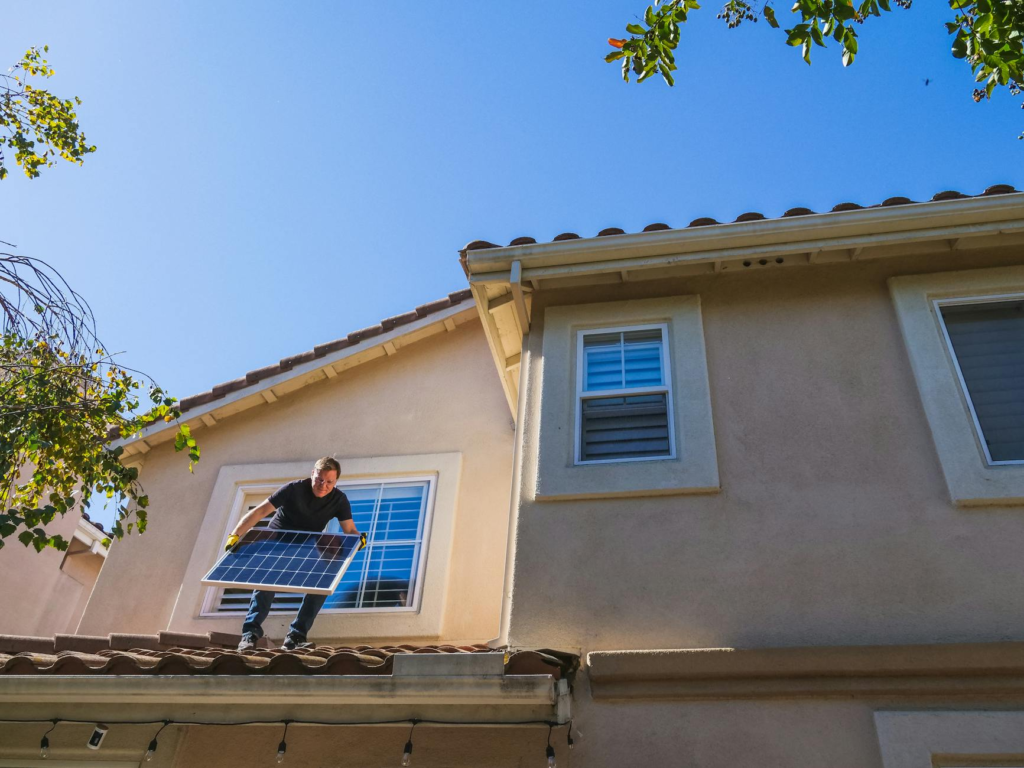
How Different Solar Panel Materials React to UV Light
Not all solar panels are created equal when it comes to resisting UV‑related wear. The three most common PV technologies—monocrystalline silicon, polycrystalline silicon, and thin‑film—use distinct material stacks, each with its own vulnerability profile.
Monocrystalline Silicon Panels
Monocrystalline modules typically feature a high‑purity silicon wafer sandwiched between a tempered glass front and a polymer backsheet. The glass provides excellent UV shielding, but the encapsulant (EVA) and backsheet are still exposed to UV photons that can cause yellowing over years of service. Because monocrystalline cells have higher efficiencies, even a modest loss in light transmission can translate into noticeable power reductions.
Polycrystalline Silicon Panels
Polycrystalline panels share a similar construction to monocrystalline units, but the silicon crystals are formed from multiple grains, which can lead to slightly higher series resistance. The UV impact on the encapsulant and backsheet remains comparable, though the slightly lower baseline efficiency means that a given percentage loss in transmittance may be less perceptible in the short term.
Thin‑Film Technologies (CdTe, CIGS, Amorphous Si)
Thin‑film modules often use a flexible substrate (such as stainless steel or polymer) and a much thinner active layer. Because the active layer is only a few micrometers thick, it is more directly exposed to the UV spectrum. Some thin‑film designs incorporate UV‑absorbing coatings to protect the absorber layer, but the overall durability of the encapsulant and front sheet still governs long‑term performance. In many cases, thin‑film panels can exhibit faster uv exposure solar panel aging if the protective coatings degrade.
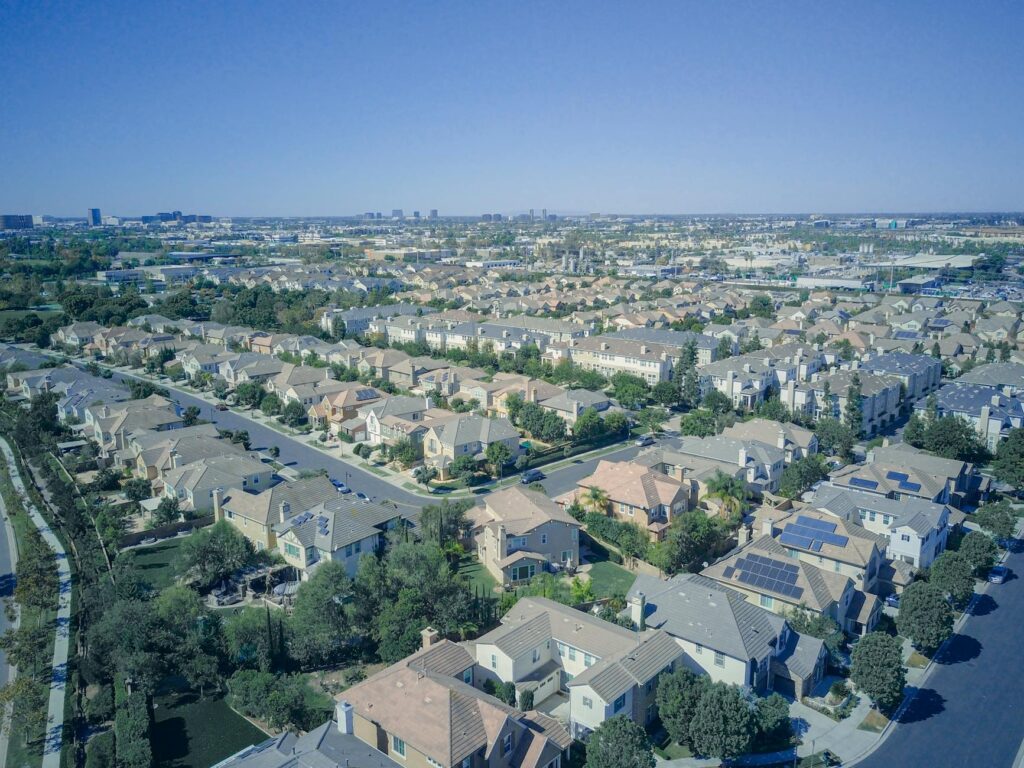
UV Levels Across the Florida Panhandle: A Unique Challenge
The Florida Panhandle enjoys more than 2,500 sunshine hours per year, with UV index values frequently ranging between 8 and 11 during the summer months. This high‑intensity environment creates a perfect storm for accelerated panel aging. While the state’s overall climate is humid, the combination of heat, UV radiation, and occasional sea‑salt exposure can be especially harsh on the polymer components of PV modules.
Data from the National Oceanic and Atmospheric Administration (NOAA) shows that the Panhandle records an average of 1,800 UV‑B joules per square meter annually—significantly higher than the national average. For system owners, this means that the typical 25‑year performance warranty may be tested more rigorously, and the rate of power degradation could be steeper than in cooler, lower‑UV regions.
Testing Standards and Certification for UV Resistance
Manufacturers use a suite of standardized tests to evaluate how well a solar panel can withstand UV exposure. The most widely recognized protocols include:
- IEC 61215 – Design qualification and type approval for PV modules, which incorporates a 1,000‑hour UV exposure test.
- IEC 61730 – Safety qualification that also assesses UV‑induced delamination risk.
- UL 1703 – North American safety standard that mandates a minimum of 1,000 hours of UV aging under controlled conditions.
While these tests simulate long‑term UV stress, real‑world conditions—especially in the Florida Panhandle—can be harsher due to higher ambient temperatures and the presence of salt‑laden air. Therefore, choosing a module with a proven track record in high‑UV climates adds an extra layer of confidence.
Mitigation Strategies: Protecting Panels From UV‑Related Wear
Fortunately, several practical measures can reduce the impact of UV exposure on solar panels, extending their useful life and preserving performance.
- UV‑Resistant Coatings: Some manufacturers apply a thin, UV‑blocking layer on top of the front glass. This coating reflects a portion of the harmful UV spectrum while allowing visible light to pass through.
- High‑Quality Encapsulants: Modern EVA formulations incorporate UV stabilizers that absorb UV photons and prevent them from breaking polymer chains.
- Backsheet Selection: Look for backsheets made from fluoropolymer materials (such as Tedlar®) that have superior UV resistance compared to older polyester‑based options.
- Proper Installation Angle: Slightly tilting panels can reduce the direct angle of UV incidence, especially during peak summer hours.
- Regular Cleaning: Dust and grime can trap UV radiation, causing localized heating. Gentle cleaning with deionized water helps maintain optimal light transmission.
Incorporating these tactics into the design and maintenance plan of a solar installation can significantly slow down uv exposure solar panel aging, especially in sun‑intense locales.
Maintenance Checklist for UV‑Heavy Environments
Routine inspections are essential to catch early signs of UV‑related degradation. Below is a concise checklist that installers and owners in the Florida Panhandle should follow twice a year—once after the hot, humid summer and once after the milder winter.
- Inspect the front glass for any hazing, yellowing, or micro‑cracks.
- Examine the backsheet for delamination, bubbling, or discoloration.
- Check the frame and mounting hardware for corrosion caused by salt‑air exposure.
- Measure module output with a calibrated solar meter to detect any unexpected drop in performance.
- Verify that the inverter and wiring are free of UV‑damaged insulation.
Documenting each inspection with photos and performance data creates a valuable record that can be referenced during warranty claims or when planning system upgrades.
Performance Degradation Data: What the Numbers Tell Us
Long‑term field studies provide concrete evidence of how UV exposure influences panel output over decades. The following table summarizes average annual degradation rates reported for three common module types installed in high‑UV regions comparable to the Florida Panhandle.
| Module Type | Typical Annual Degradation Rate | Key UV‑Resistant Features |
|---|---|---|
| Monocrystalline (standard EVA) | 0.5%–0.7% per year | Tempered glass front, UV‑stabilized EVA |
| Polycrystalline (enhanced backsheet) | 0.6%–0.8% per year | Fluoropolymer backsheet, anti‑UV coating |
| Thin‑Film (CdTe) | 0.8%–1.0% per year | UV‑absorbing top layer, robust encapsulant |
Notice that even the best‑performing monocrystalline panels still lose roughly half a percent of their rated power each year under intense UV conditions. Over a 25‑year lifespan, this translates to a cumulative loss of about 12%–15%, underscoring the importance of selecting modules with proven UV‑resistance and adhering to a disciplined maintenance schedule.
Frequently Asked Questions About UV Exposure and Solar Panels
Does UV exposure affect the electrical output directly?
Yes. While UV photons do not generate electricity in silicon cells (which respond primarily to visible light), they degrade the encapsulant and backsheet, reducing the amount of light that reaches the cells. This indirect effect can lower the panel’s power output over time.
Can I install a UV‑blocking film on existing panels?
Retrofit UV films are available, but they must be applied carefully to avoid creating air pockets that could cause hotspots. In most cases, opting for panels that already incorporate UV‑blocking glass is more reliable.
Are warranties void if UV‑related damage occurs?
Most manufacturers cover degradation that exceeds a specified threshold (often 0.5% per year) within the warranty period, provided the installation follows recommended guidelines. However, neglecting maintenance can lead to claims being denied.
How does temperature interact with UV exposure?
High temperatures amplify the chemical reactions triggered by UV photons, accelerating polymer breakdown. This is why the hot, sunny climate of the Florida Panhandle can produce faster aging than a cooler, lower‑UV location.
