



Introduction
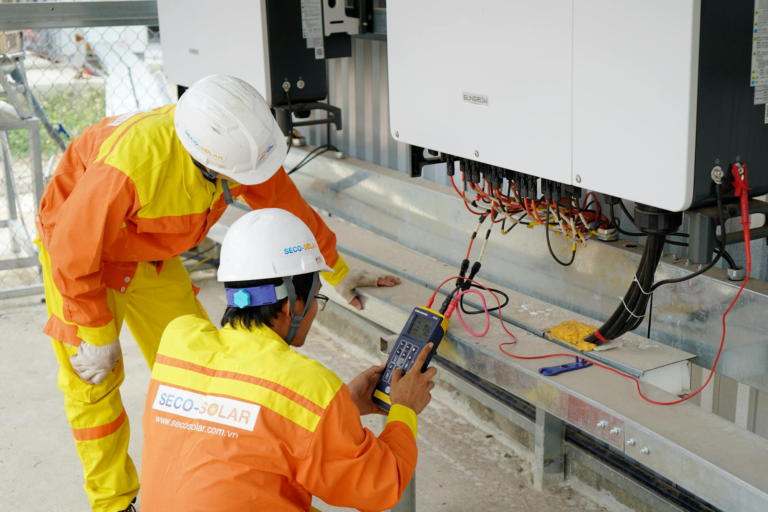
Solar power has become a cornerstone of sustainable living throughout the Florida Panhandle, where abundant sunshine drives the demand for residential photovoltaic installations. While panels, inverters, and mounting structures often dominate the conversation, the humble wiring that connects every component is equally vital. A well‑designed solar cable management system not only safeguards the electrical pathways from environmental stressors but also extends the overall lifespan of the entire array. In regions prone to high humidity, salt‑laden breezes, and occasional severe weather, proper cable routing can be the difference between a system that operates flawlessly for decades and one that suffers premature failures. This article explores why cable management is critical for solar longevity, outlines the risks of neglect, and provides actionable guidance for homeowners and installers seeking to protect their investment.
Find us here:
Solar Cost Calculator – Florida Panhandle Only
* Estimate based on $3.25 per watt for solar installation.
* For Tesla Powerwall 3 Batteries, $15,000 for the first battery, $12,000 for each additional battery.
* Other variations and types of Batteries are available.
Understanding Solar Cable Management
Before diving into the specifics, it helps to define what a solar cable management system actually entails. At its core, the system comprises organized pathways—such as conduit, cable trays, clamps, and protective sleeves—that guide and shield the photovoltaic (PV) wiring from the panels to the inverter and ultimately to the home’s electrical panel. These pathways are engineered to maintain consistent bend radii, prevent chafing, and keep cables away from moisture, UV exposure, and mechanical impacts. By enforcing a clear, organized route, installers reduce the likelihood of accidental cuts, connector loosening, and insulation degradation, all of which can lead to voltage drops, arcing, or even fire hazards over time.
Why Organization Matters
When cables are left to meander across rooftops or within attics, they become vulnerable to a host of stressors. Uncontrolled movement can cause repeated flexing at connection points, which gradually wears down the insulation. In the humid climate of the Panhandle, moisture can seep into exposed conductors, accelerating corrosion of copper strands and compromising the integrity of the entire system. A thoughtfully designed solar cable management system eliminates these variables by providing a stable, protected environment that minimizes physical and chemical wear.
Common Risks Without Proper Management
Homeowners who overlook cable management often encounter a predictable set of problems. First, exposure to direct sunlight and UV radiation can cause the outer jacket of cables to become brittle, leading to cracks that expose the conductive core. Second, temperature fluctuations—common in the Panhandle where summer heat can exceed 95°F and winter lows dip below 40°F—create expansion and contraction cycles that stress both the cable and its connectors. Third, wildlife and pests, such as rodents, are attracted to unprotected wiring, potentially chewing through insulation and creating short circuits. Finally, improper routing can interfere with other building systems, causing accidental interference with HVAC ducts or water pipes, which may result in costly repairs.
- UV‑induced jacket cracking
- Thermal expansion and contraction stress
- Moisture ingress and corrosion
- Rodent and pest damage
- Interference with other building infrastructure
Benefits of a Solar Cable Management System
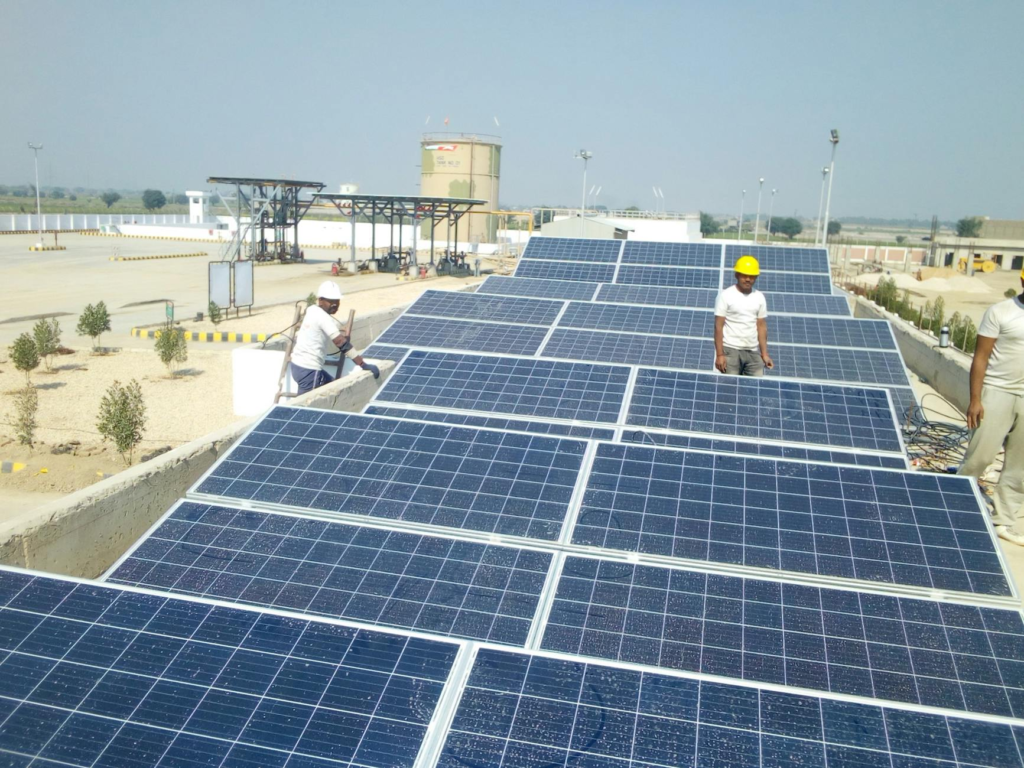
Implementing a dedicated solar cable management system delivers measurable advantages that directly influence system durability and performance. By keeping cables confined within protective conduits, the risk of abrasion and UV damage drops dramatically, which translates to fewer maintenance calls and lower long‑term operating costs. Additionally, organized wiring simplifies troubleshooting; technicians can quickly isolate faults without dismantling large sections of the array. In the context of the Florida Panhandle, where hurricanes and tropical storms can generate high winds and flying debris, a robust cable management solution also acts as a physical barrier, preventing wind‑driven objects from striking exposed conductors. Ultimately, the investment in proper cable routing pays off through increased system uptime, higher energy yield, and an extended service life that often surpasses the typical 20‑year warranty period of PV panels.
Key Components of an Effective System
- Conduit (PVC or metal): Provides a sealed pathway that protects against moisture, UV, and mechanical impact.
- Cable trays and ladders: Allow for organized stacking of multiple cable bundles while maintaining proper separation.
- Clamps and ties: Secure cables at regular intervals to prevent sagging and movement.
- Heat‑shrink sleeves and grommets: Seal entry points and prevent abrasion at conduit penetrations.
- Labeling system: Clearly identifies each circuit, simplifying future inspections and upgrades.
When selecting these components, prioritize materials that are UV‑stabilized and rated for outdoor use. For coastal installations, corrosion‑resistant metal or UV‑treated PVC is essential to withstand the salty air that can accelerate rust on traditional steel conduits.
Designing for the Florida Panhandle Climate
The Panhandle’s climate presents a unique set of challenges that must be factored into any solar cable management system design. High humidity levels promote condensation inside conduit if not properly vented, while the intense summer sun can raise conduit surface temperatures well above ambient. To mitigate these effects, designers should incorporate vented conduit sections that allow air circulation while still blocking water ingress. Additionally, using conduit with a light‑colored exterior reflects solar radiation, keeping internal cable temperatures lower and reducing the risk of heat‑related degradation.
Another consideration is the prevalence of hurricanes. During high‑wind events, uplift forces can pry apart unsecured cable assemblies. Engineers often employ hurricane‑rated clamps and reinforced conduit brackets that anchor securely to roof rafters or wall studs, ensuring the cable pathways remain intact even under extreme pressure differentials.
Installation Best Practices
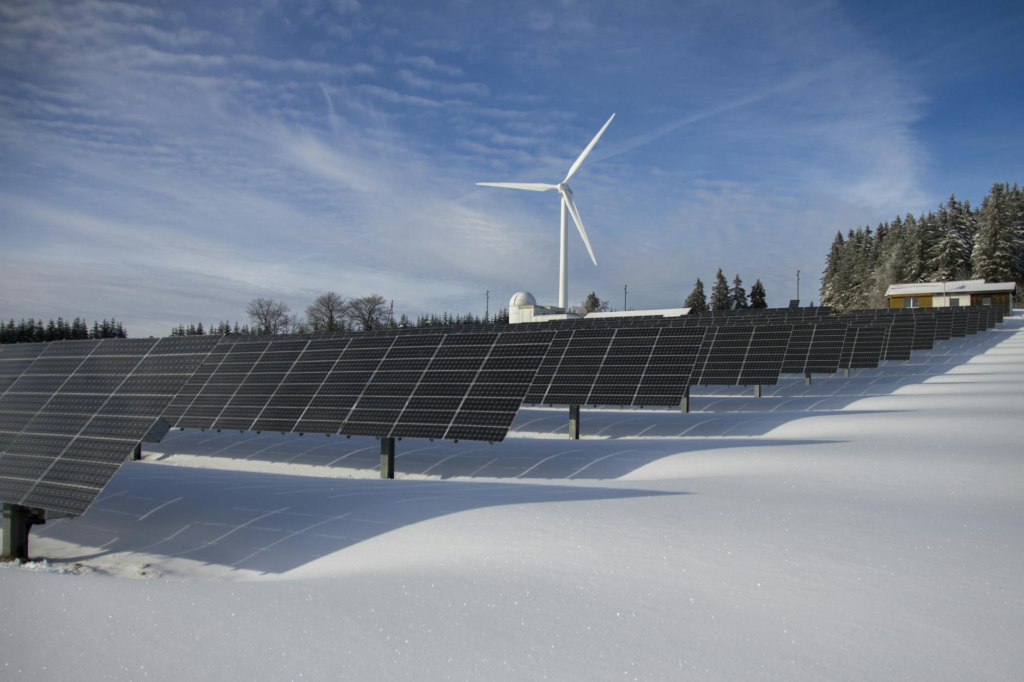
Professional installers should follow a systematic approach to guarantee a reliable solar cable management system. Begin by mapping the entire cable route on a site plan, marking all entry and exit points, bends, and support locations. Next, select conduit sizes that accommodate the full bundle of conductors without exceeding the recommended fill percentage (typically no more than 40% of the conduit’s cross‑sectional area). This prevents overheating and allows for future expansion. During installation, maintain gentle bend radii—generally no tighter than four times the cable’s outer diameter—to avoid damaging the insulation. Secure the conduit at regular intervals (approximately every 3 to 4 feet) using corrosion‑resistant brackets, and apply sealant at every penetration to keep moisture out.
Finally, verify that all connections are torque‑spec’ed according to manufacturer guidelines. Over‑tightening can crush conductors, while under‑tightening can lead to loose contacts that generate heat over time. A well‑executed installation sets the foundation for a durable system that can endure the environmental stresses unique to the Panhandle.
Maintenance and Inspection
Even the most robust solar cable management system benefits from periodic inspection. Homeowners should schedule visual checks at least twice a year—once after the rainy season and once after the peak summer heat. Look for signs of conduit cracking, water pooling at low points, or any loosened clamps. Use a flashlight to peer inside conduit sections where possible, and feel for any abnormal warmth that could indicate resistance buildup. If any damage is observed, address it promptly by replacing compromised sections or resealing penetrations.
In addition to visual checks, conduct an electrical performance test annually. Compare the system’s output against expected production values based on panel ratings and solar irradiance data. A noticeable dip could signal hidden cable degradation, prompting a deeper investigation. By integrating routine maintenance into the homeowner’s schedule, the likelihood of unexpected failures drops dramatically, preserving both safety and energy yield.
Cost Considerations and Return on Investment
While adding a dedicated cable management solution does increase upfront material and labor costs, the return on investment (ROI) is compelling. The primary financial benefit comes from reduced downtime; a well‑protected wiring system experiences fewer outages, meaning the home continues to generate revenue from solar electricity without interruption. Moreover, the extended lifespan of the system reduces the need for premature replacements, which can be costly given the price of high‑quality PV modules and inverters. In the Florida Panhandle, where utility rates are rising, even a modest increase in system availability translates to significant savings over the system’s operational life.
When budgeting, factor in the cost of UV‑rated conduit, stainless‑steel clamps, and professional installation time. Many installers offer bundled pricing that includes a comprehensive solar cable management system, often saving 10‑15% compared to purchasing components separately. Over a 25‑year horizon, the incremental expense typically pays for itself within the first 5 to 7 years through avoided repair costs and higher energy production.
Comparison of Systems With and Without Cable Management
| Aspect | With Solar Cable Management System | Without Cable Management |
|---|---|---|
| Average Annual Downtime | ≤ 2 hours | ≈ 12 hours |
| Maintenance Frequency | Bi‑annual visual check | Quarterly, often urgent repairs |
| Typical Lifespan of Wiring | 20‑25 years | 10‑15 years |
| Energy Production Loss (first 10 years) | ≤ 3 % | ≈ 8 % |
Conclusion
In the sun‑rich environment of the Florida Panhandle, the longevity of a solar installation hinges not just on the quality of panels and inverters, but equally on the integrity of its wiring. A properly designed solar cable management system shields cables from moisture, UV exposure, and mechanical stress, thereby preventing wear and tear that can cripple performance. By investing in organized conduit, secure clamps, and regular inspections, homeowners protect their investment, maximize energy output, and enjoy peace of mind knowing their system will serve them reliably for decades to come.
